Campbell University Reforests 300 Decaying Acres
Campbell University is transforming 300 acres of declining forest into a thriving ecosystem instead of selling to developers. The project removes hazardous debris and replants healthy trees that will benefit the community for decades.
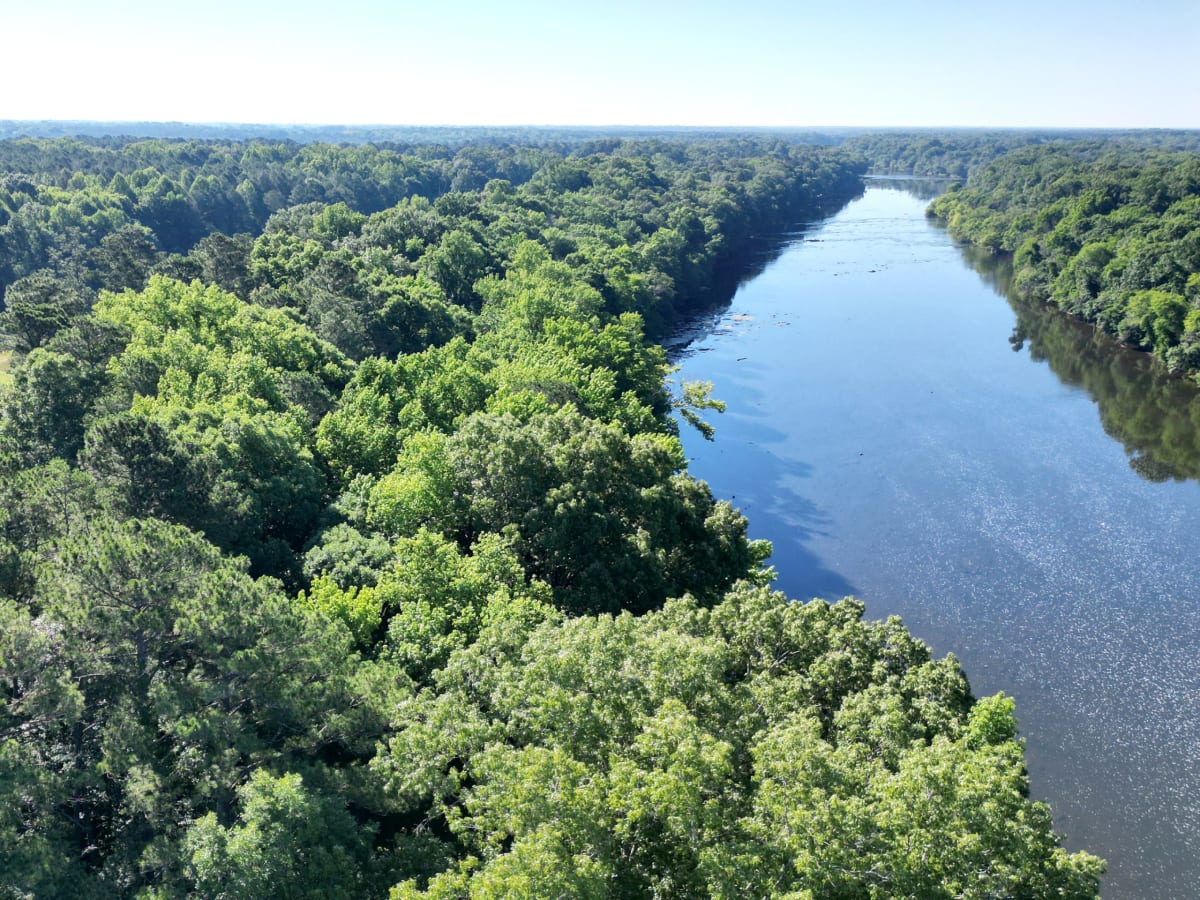
A North Carolina university chose environmental stewardship over profit, launching a major reforestation project that will restore hundreds of acres along the Cape Fear River.
Campbell University announced plans to regenerate approximately 100 acres of its 300-acre River Park property, land that once served as part of Keith Hills Golf Course. The university has owned the property since the early 1970s but opted against selling to developers, choosing instead to invest in the land's ecological future.
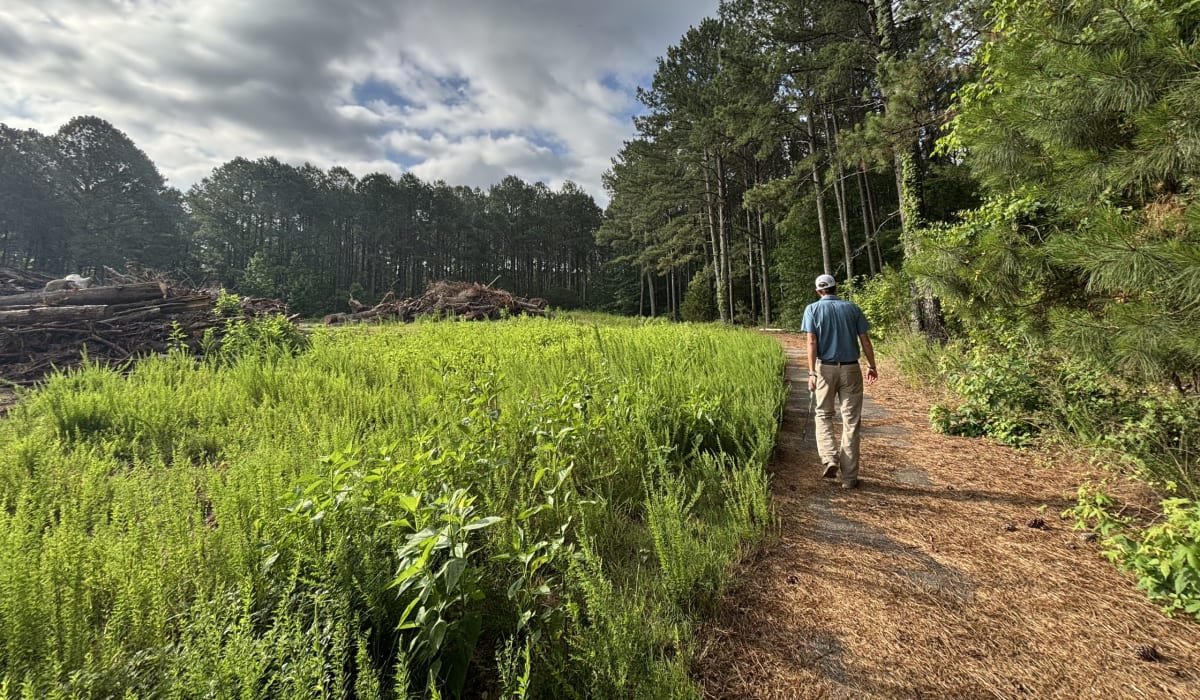
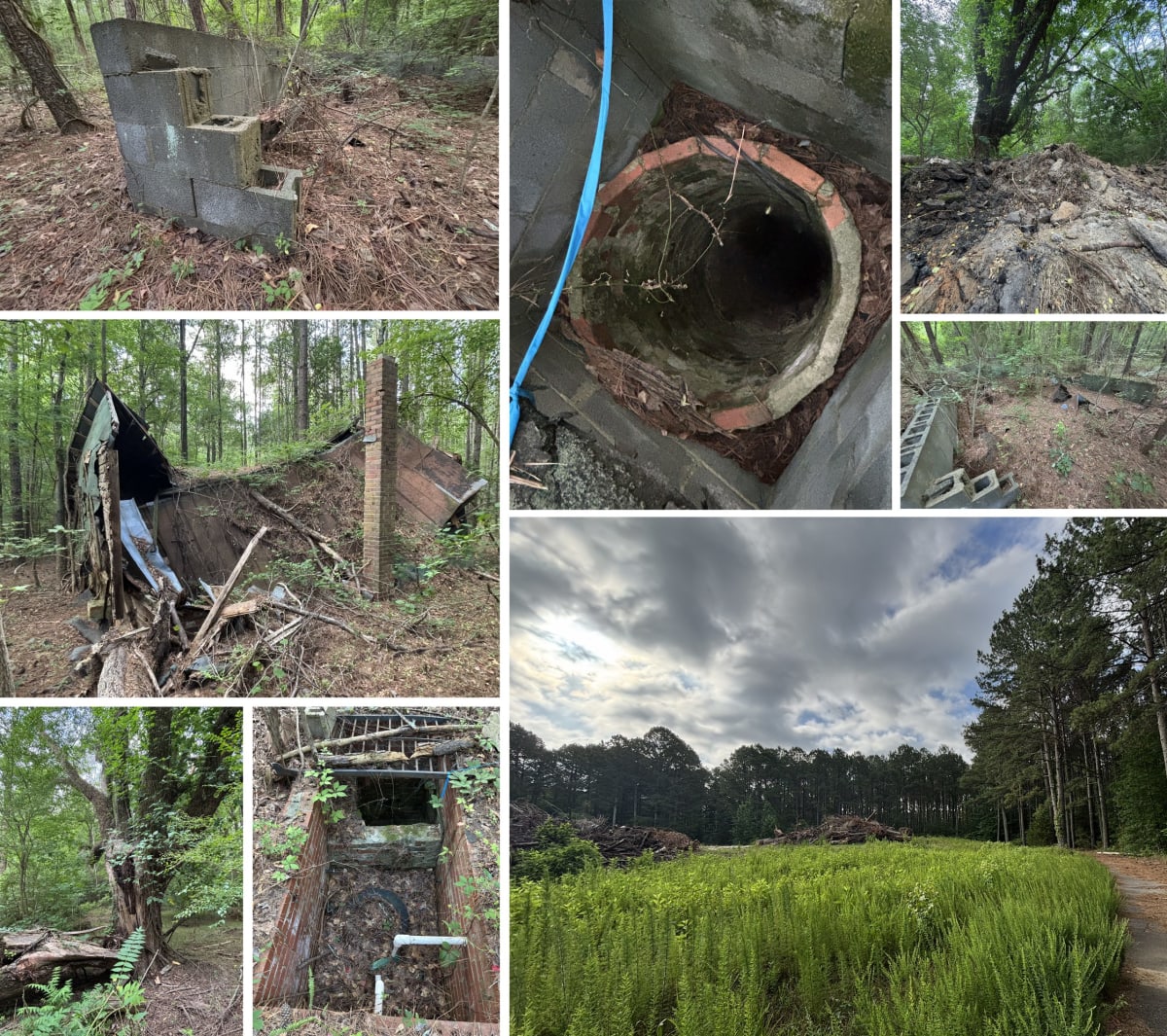
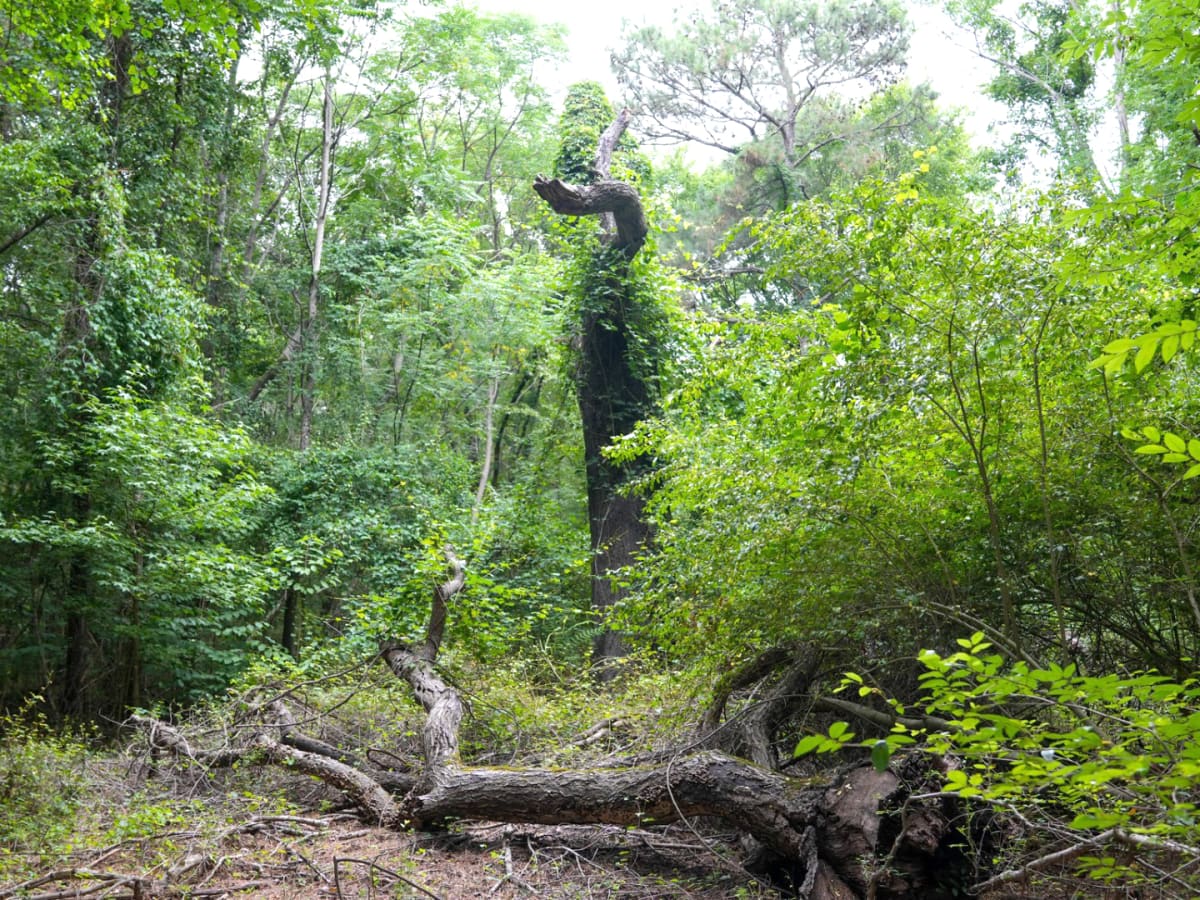
Bryan Denny, the project manager who has worked in Campbell's Facilities Management for 17 years, says the forest has been declining for years. Rotting pines struggle to grow in overcrowded conditions, while uncapped wells 20 feet deep pose dangers to hikers.
"What we have is a decaying forest," Denny explains. "If this area had been better managed over the years, these trees would be healthier and taller."
The property faces serious challenges beyond dying trees. Several hundred tons of broken asphalt dumped from the old golf course litter the landscape, along with abandoned homes, a tobacco barn, and a possible 19th century graveyard for enslaved individuals that has gone untended for decades.
Denny also points to growing wildfire risks as dry, decaying trees accumulate on the ground. With changing summer conditions in North Carolina, he says the area has become increasingly vulnerable to fire danger.
The university launched a detailed website this week answering questions from nearby residents. The plan prioritizes protecting water quality, preserving sensitive natural areas, and maintaining the space as an outdoor classroom for students.
The Ripple Effect
Reforestation projects like Campbell's are gaining momentum nationwide. The U.S. Department of Agriculture documented more than 3.6 million acres reforested across America in 2025, accelerating the development of healthy forest ecosystems.
The North Carolina Forest Service notes that well-planned projects stimulate new growth while supporting native wildlife that thrive in regenerated areas. Numerous state and federal laws protect soil and water during timber harvests, with inspectors monitoring thousands of logging jobs annually.
Funds from harvested timber will pay for debris removal and responsible forest management in coming years. Campbell hired GFR Forestry Consultants, a private firm with 30 years of regional experience, to ensure the project follows best practices.
The landscape will change dramatically in the short term, but new growth begins immediately. Young trees will establish within five years, gradually maturing into a healthy forest that will serve the university community for generations.
Denny admits he initially had concerns but changed his mind after consulting forestry experts and walking the land himself. Solid science, he says, helped him see past common misperceptions about reforestation projects.
More Images
Based on reporting by Google News - Reforestation
This story was written by BrightWire based on verified news reports.
Spread the positivity!
Share this good news with someone who needs it