Campbell University Triples Trees With 350-Ton Cleanup
A North Carolina university just removed 350 tons of asphalt from polluted land to make way for nearly 73,000 new trees. The ambitious reforestation project will triple the forest in an area that desperately needs healing.
Campbell University is turning contaminated land into a thriving forest, and the transformation started with hauling away 350 tons of toxic asphalt.
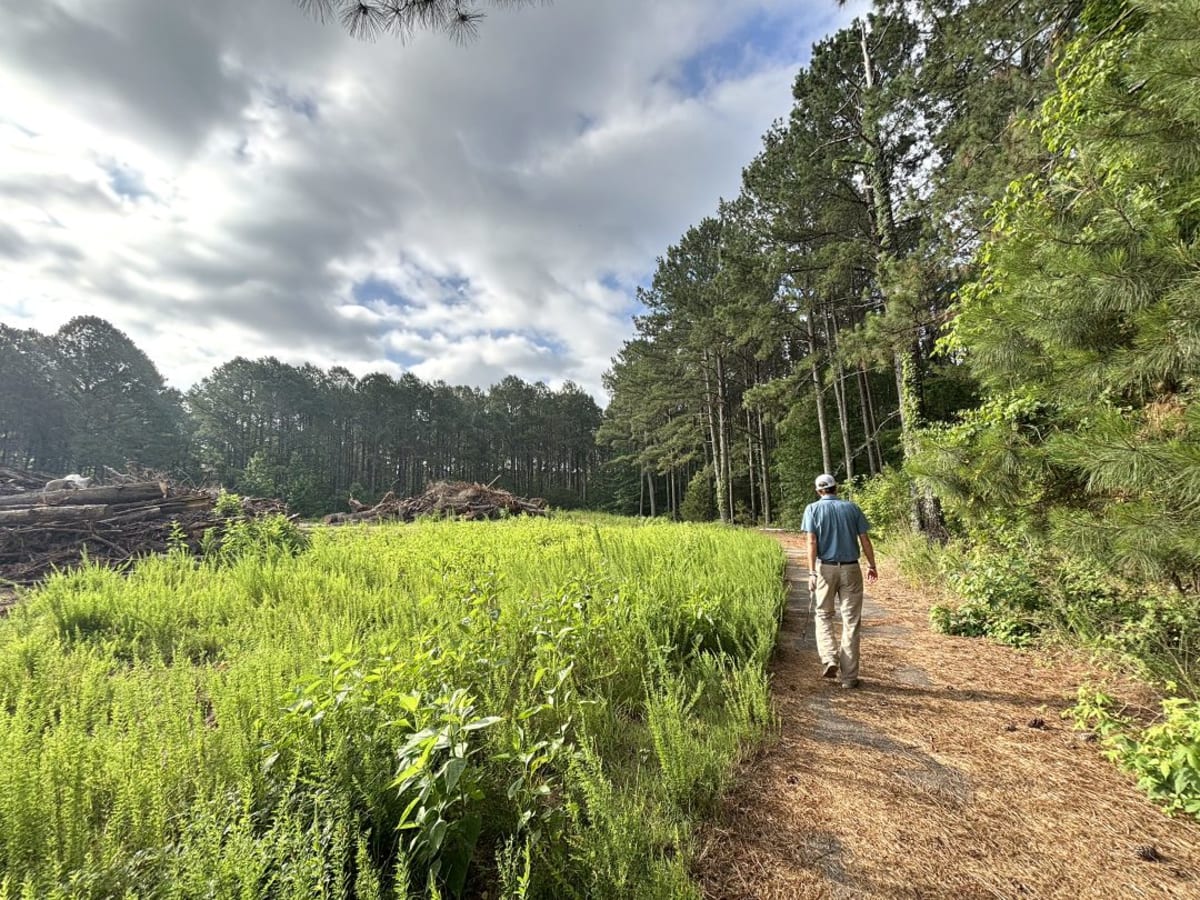
The university announced this week that crews have cleared massive piles of petroleum-based debris from 300 acres along North Carolina's Cape Fear River. The asphalt had been sitting on the Buies Creek property for years, threatening soil, water, and wildlife that might ingest contaminated plants growing near the piles.
But here's where the story gets exciting. Once the cleanup is complete, Campbell will plant 72,645 young, healthy trees to replace the 23,000 poor-quality trees currently struggling on the land.
That's more than triple the number of trees, transforming an unhealthy ecosystem into a natural forest over the next 15 to 30 years. Forestry consultant Henry Randolph says they'll plant 435 trees per acre across 167 acres, creating dense, vigorous growth where scraggly vegetation once barely survived.
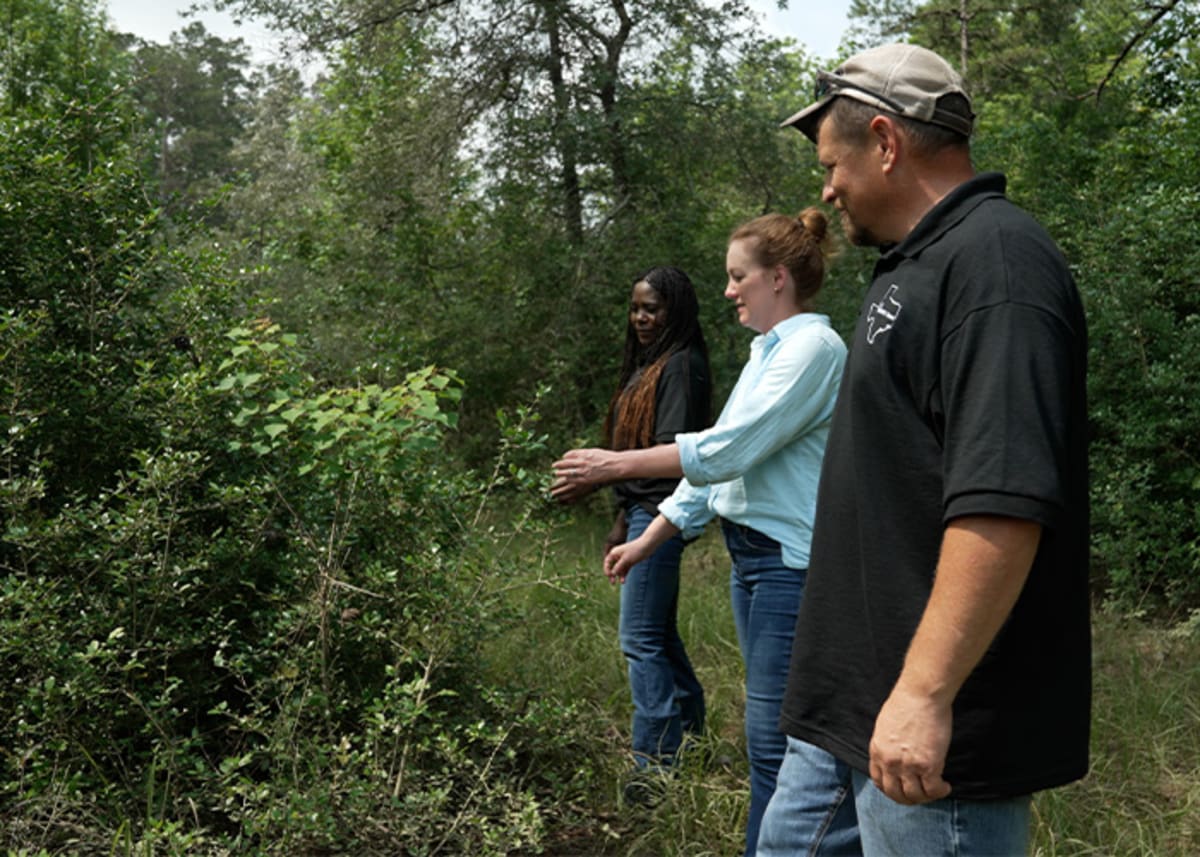
Grounds manager Bryan Denny, who's directing the project, says the asphalt removal was critical for long-term environmental health. His team used skid steer loaders and dump trucks to flag and haul every contaminated pile to proper disposal sites.
The university also filled five abandoned water wells in July, some over 20 feet deep, eliminating serious safety hazards on the property.
The Ripple Effect
This isn't just about planting trees. Campbell's vision balances environmental restoration with community responsibility and education.
The university is now collecting tires and treated lumber for removal while working with local historians to learn about the families who once called this land home. Several former homesteads dot the property, and Campbell wants to honor that history as they heal the land.
The project represents a 15 to 30 year commitment to reversing environmental damage and creating educational opportunities for students and the community. What was once polluted, forgotten land will become a healthy forest ecosystem supporting wildlife, cleaning water, and storing carbon for generations.
Sometimes the most hopeful stories start with the hardest work, and 350 tons of cleanup is just the beginning of this forest's comeback story.
Based on reporting by Google News - Reforestation
This story was written by BrightWire based on verified news reports.
Spread the positivity!
Share this good news with someone who needs it