Canada and Norway Launch Clean Marine Tech Partnership
Two ocean nations just built a bridge to speed up clean shipping technology. The new Canada-Norway alliance creates a testing corridor that helps green marine innovations reach markets faster on both sides of the Atlantic.
A small island in Canada and a coastal town in Norway just became the twin engines of a cleaner shipping future.
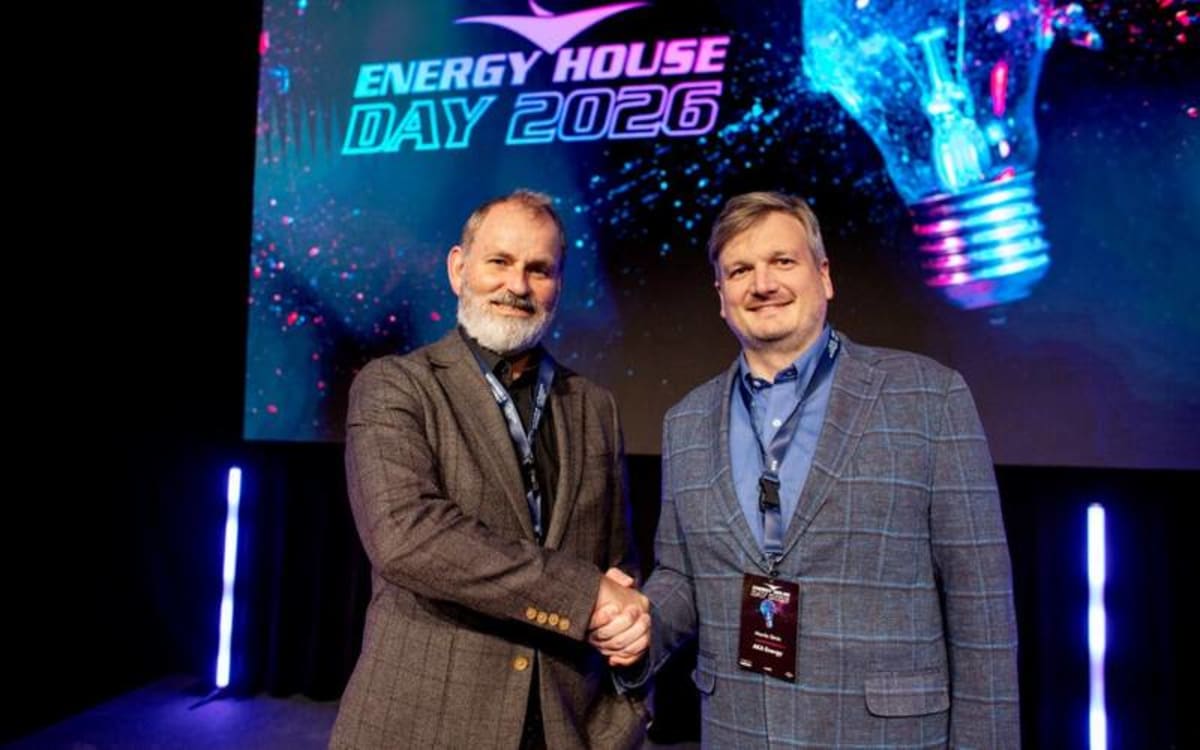
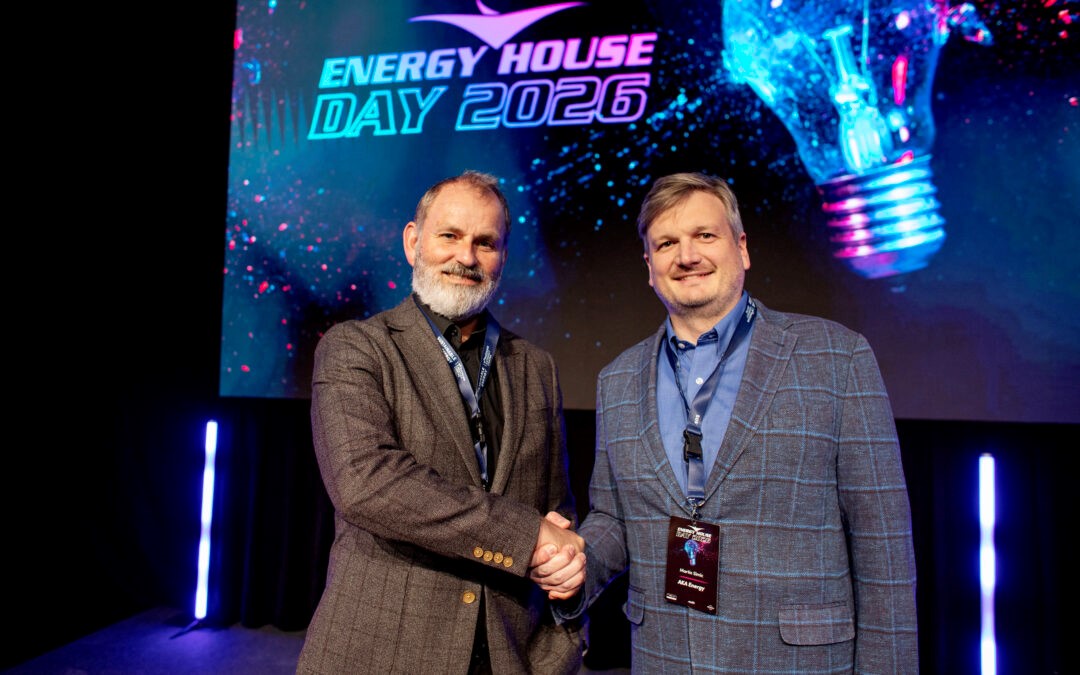
AKA Energy Systems in Prince Edward Island and the Sustainable Energy Katapult Centre in Stord, Norway, launched a formal partnership this week that connects their marine technology testing facilities across the Atlantic. The collaboration, branded as Sustainable Energy Canada, creates a two-way highway for companies developing clean ship engines, hydrogen fuel systems, and electric vessel technology.
Here's why it matters: companies that prove their technology works in Norway can now get certified for North American markets through PEI, and Canadian innovations can access European expertise and customers through Norway. That saves time, money, and carbon emissions.
Both countries are racing to clean up their shipping fleets while building their defense capabilities with greener technology. Norway already leads the world in hybrid electric vessels and hydrogen propulsion. Canada has the ambition but lacked the Atlantic coast infrastructure until now.
AKA's Poole's Corner facility in PEI offers end-to-end testing, prototyping, and manufacturing for advanced power systems. Combined with Norway's proven track record and global reputation, the partnership gives clean tech startups a faster path from idea to ocean.
Canada's Ambassador to Norway, Amy Baker, helped broker the connection between the two organizations. She called it a strong example of how international partnerships can accelerate the shift to sustainable energy.
The collaboration supports companies at every stage, from early prototypes to production-ready systems. It also opens doors for academic partnerships between Atlantic Canadian universities and Norwegian research institutions.
The Ripple Effect
This partnership does more than help two countries meet their climate goals. It creates a model for how allied nations can share infrastructure and expertise to speed up the clean energy transition globally.
Small and medium-sized companies often struggle to break into international markets because testing and certification requirements differ by region. This alliance removes that barrier for marine technology firms across North America and Europe.
The timing aligns with growing demand for maritime decarbonization. Shipping accounts for nearly 3% of global emissions, and international regulations are tightening. Companies that can validate their technologies faster will lead the market.
Jason Aspin, CEO of AKA Energy Systems, captured the vision simply: "PEI has the foundation. Norway has the model. Together we have something the world needs."
The alliance proves that climate action works best when nations build bridges instead of going it alone.
More Images
Based on reporting by Google News - Clean Energy
This story was written by BrightWire based on verified news reports.
Spread the positivity!
Share this good news with someone who needs it