Canada Expands Satellite Network to Connect Remote Communities
Canada is building 24 ground stations for a new satellite internet network that will bring high-speed broadband to underserved areas starting in 2027. The Lightspeed constellation promises faster, more reliable connections for rural communities across the globe.
Millions of people in remote areas are about to get the fast, reliable internet access that most of us take for granted.
Canadian satellite operator Telesat just secured three more locations across Canada for ground stations that will connect its upcoming Lightspeed satellite network to existing internet infrastructure. The new sites in Saskatchewan and Quebec join a growing network of 24 stations planned worldwide.
The timing couldn't be better. Rural communities have struggled with slow or nonexistent internet for years, limiting access to education, healthcare, and economic opportunities.
Telesat plans to launch pathfinder satellites this December, with the full 198-satellite network rolling out shortly after through 2027. Once operational, Lightspeed will beam high-speed internet to homes and businesses in areas where traditional cable and fiber are too expensive to install.
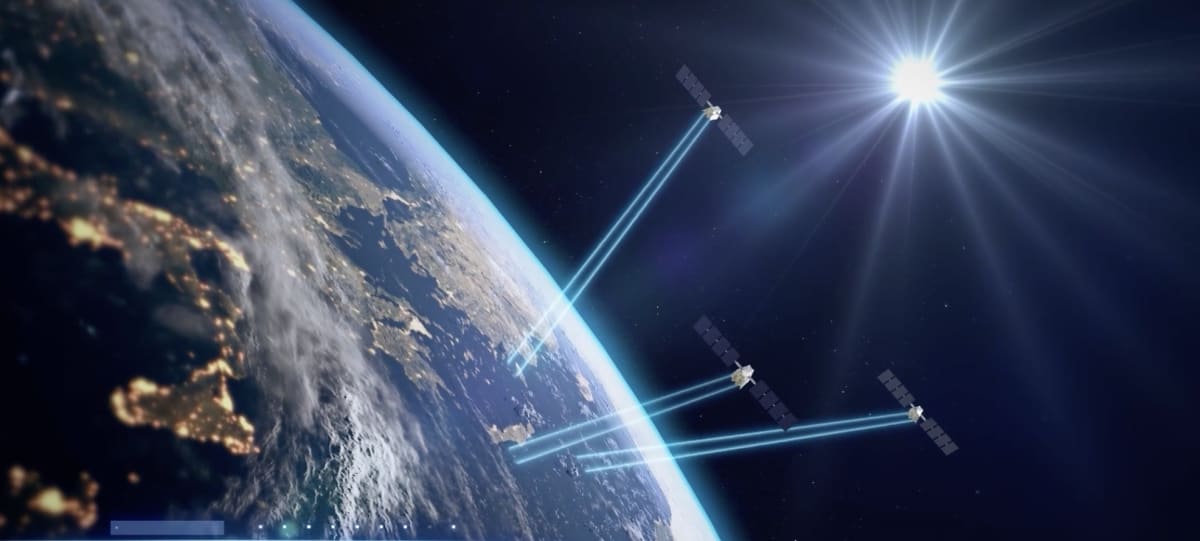
The system uses cutting-edge technology including optical links between satellites that let data travel through space instead of bouncing back to Earth repeatedly. This means faster speeds and fewer delays, even for users thousands of miles from major cities.
Countries like India have already signed on, attracted by features that let them keep sensitive data within their borders for security. Australia and France have also secured ground stations for their regions.
The Ripple Effect
Better internet access transforms communities in profound ways. Students in rural areas can access the same online learning tools as their urban peers. Doctors can provide telemedicine to patients hours away from the nearest hospital. Small businesses can compete in global markets.
The distributed network of ground stations also builds in resilience. If weather knocks out one station, satellites can simply connect through another, keeping people online when they need it most.
Each satellite will see multiple ground stations at any time, ensuring consistent service across different regions and time zones. The Quebec station should be operational by September, with the Saskatchewan locations following by year's end.
For the estimated 2.9 billion people worldwide still without internet access, many in remote or rural areas, projects like Lightspeed represent a lifeline to opportunity. What was once a luxury is becoming recognized as essential infrastructure, as critical as roads or power lines.
The future of connectivity is looking up.
More Images


Based on reporting by SpaceNews
This story was written by BrightWire based on verified news reports.
Spread the positivity!
Share this good news with someone who needs it