Canada Fossils Push Animal Life Back 10 Million Years
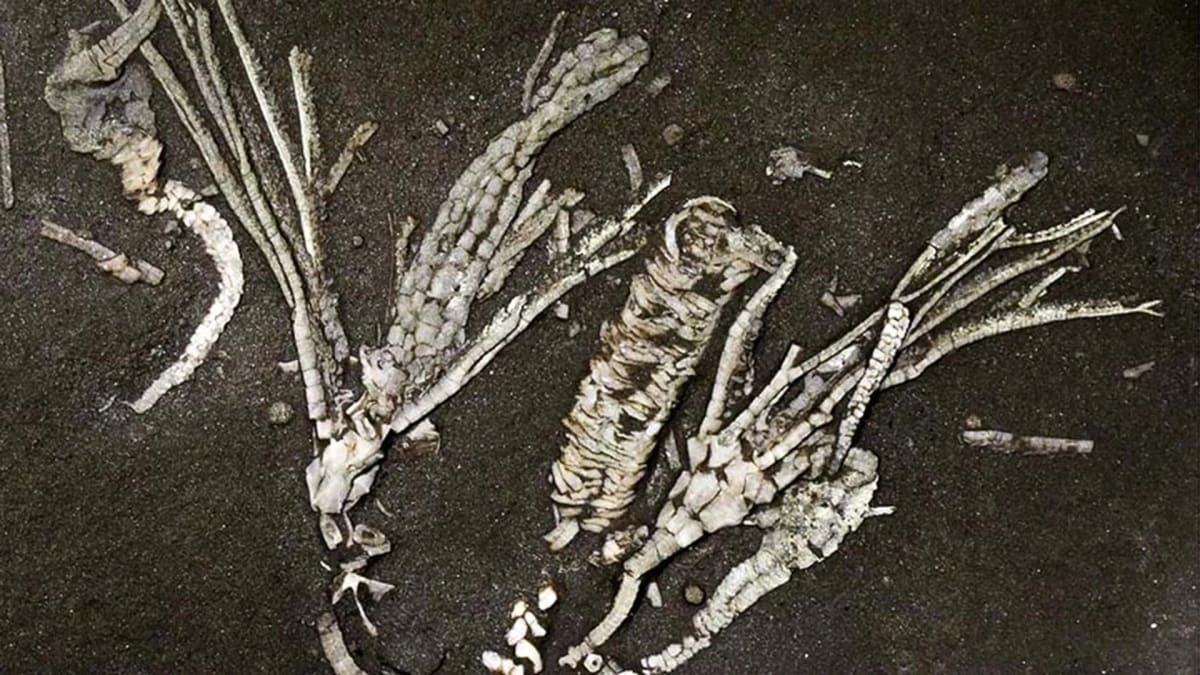
Scientists in Canada's Northwest Territories discovered fossils that are 567 million years old, making them the oldest evidence of animal movement and sexual reproduction ever found. The discovery suggests complex life may have begun in deep ocean waters, not shallow coastlines as scientists long believed.
For three billion years, Earth's oceans teemed with life you couldn't see. Then suddenly, around half a billion years ago, creatures appeared that could move, eat, and reproduce in ways that would look familiar to us today.
Scientists just found fossils in Canada's Mackenzie Mountains that push that timeline back further than ever before. The discovery includes more than 100 specimens, some representing creatures never before found in North America.
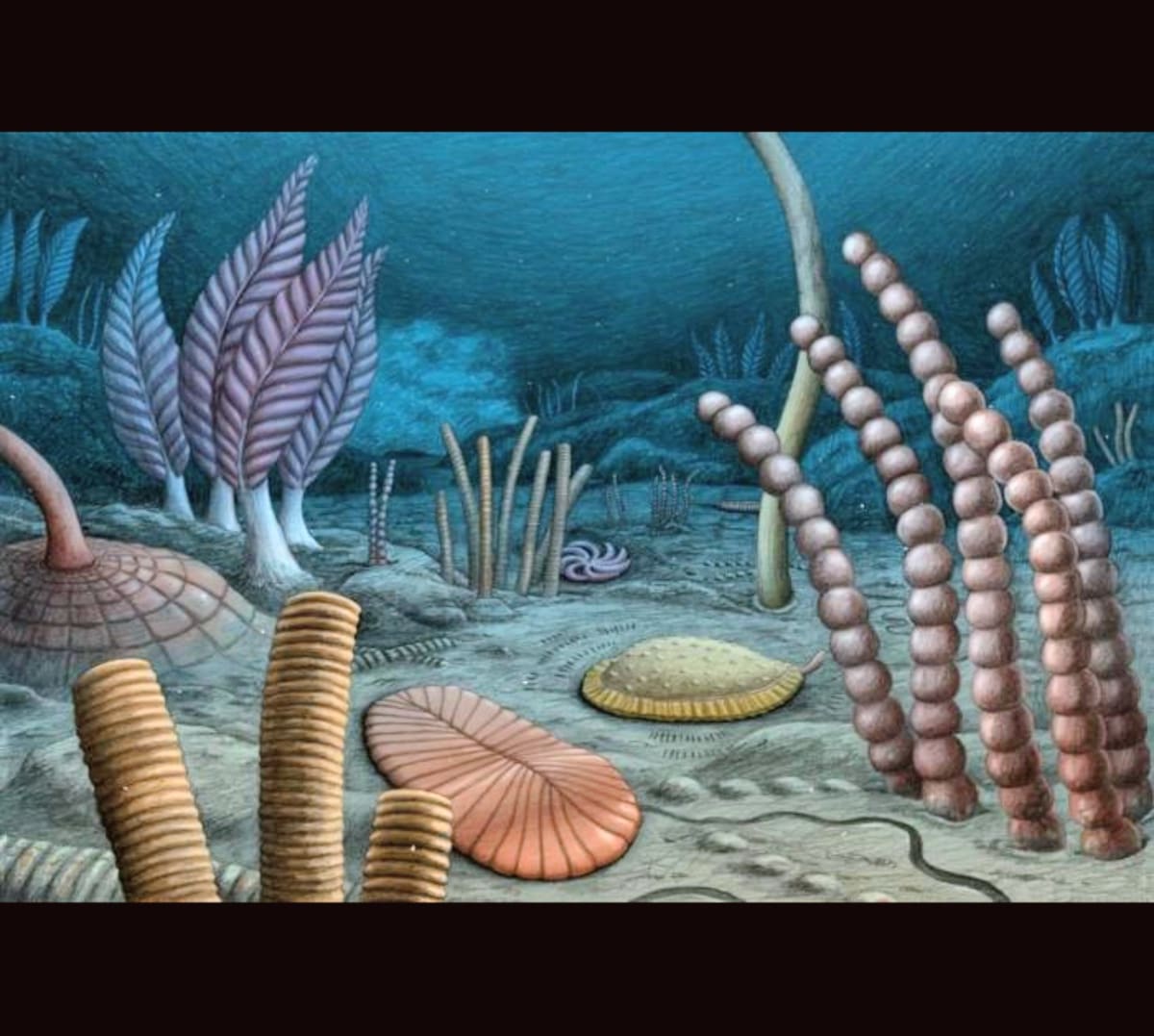
The fossils belong to the Ediacaran biota, a collection of soft-bodied ocean dwellers that look nothing like modern animals. Picture flat discs, leafy fronds, and ribbed ovals scattered across an ancient seafloor. These weren't fish or jellyfish as we know them, but something stranger and more ancient.
Researchers from the American Museum of Natural History and Dartmouth College made the discovery on traditional lands of the Sahtú Dene and Métis, who granted access and provided guidance throughout the project. The site may become one of the most important fossil locations ever discovered, and scientists have barely begun exploring it.
Among the fossils are several rock stars of ancient life. Dickinsonia, a flat oval creature, left trails showing it moved across the seafloor more than 560 million years ago. Kimberella scraped food from the ocean floor using a muscular foot, making it a distant ancestor of modern mollusks and possibly the oldest known animal with distinct front and back ends.
The most remarkable find might be Funisia, a tubular organism that lived in clusters. These colonies show the oldest evidence of sexual reproduction in the fossil record, suggesting ancient creatures were already coordinating spawning events the way modern corals do today.
Here's what has paleontologists buzzing: these fossils are 567 million years old, making them 5 to 10 million years older than similar specimens found anywhere else on Earth. That means evidence for animal movement and sexual reproduction just jumped back nearly 10 million years.
The Ripple Effect
This discovery does more than add a few million years to our timeline. The fossils were found in deeper water environments than scientists expected, challenging a long-held assumption about where complex life began.
For decades, researchers believed animal life started in shallow, sunlit coastal waters and spread outward from there. These Canadian fossils suggest the opposite might be true: that the first experiments in complex animal bodies happened in the cold, dark depths of ancient oceans.
The rock layers above the fossil site contain hundreds of feet of potentially fossil-rich stone that no one has examined yet. Each new layer could reveal more about how Earth transformed from a planet of invisible microbes to one filled with moving, reproducing animals.
This discovery reminds us that Earth still holds surprises about our oldest origins, waiting in remote mountains for someone to look closely enough.
Based on reporting by Google: fossil discovery
This story was written by BrightWire based on verified news reports.
Spread the positivity!
Share this good news with someone who needs it