Canada Opens Clean Lithium Plant That Doubles Output
A Canadian company just opened the first commercial facility that refines lithium for EV batteries without creating toxic waste, while doubling production capacity. The breakthrough could transform how North America builds its battery supply chain. #
A new facility in British Columbia is proving that cleaning up battery production doesn't have to cost more or slow things down.
Mangrove Lithium opened its commercial plant near Vancouver on April 16, 2026, using an innovative electrochemical process that eliminates the biggest waste problem in lithium refining. The facility produces 1,100 tons of battery-grade lithium annually, enough for 25,000 electric vehicles.
Traditional lithium refining creates a messy problem. Mining companies roast lithium ore with sulfuric acid, then add sodium carbonate to extract the lithium. The process leaves behind twice the mass of sodium sulfate waste that's too impure to sell and typically gets dumped.
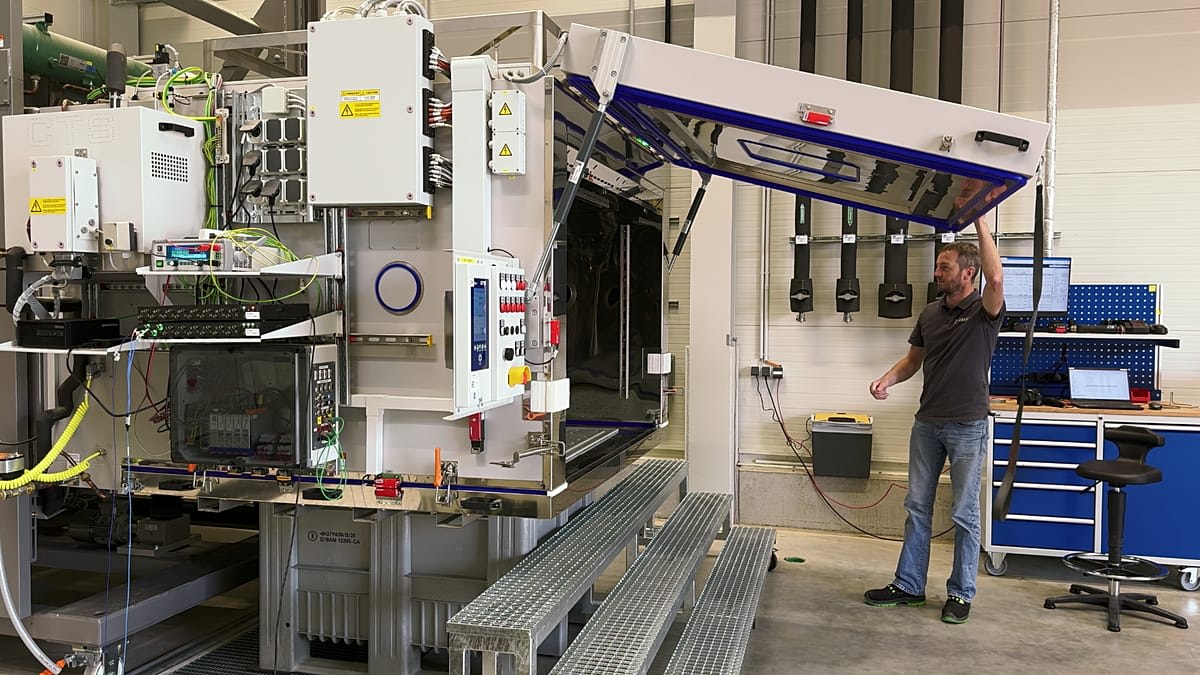
Mangrove's Clear-Li process uses electricity instead of chemicals. Through electrodialysis, the system separates lithium sulfate into pure lithium hydroxide (the premium grade needed for high-capacity batteries) and sulfuric acid that can be sold commercially. Zero waste, double the output.
CEO Saad Dara says the economics work without relying on environmental regulations. Refining companies face a choice: invest capital to treat waste, or invest the same amount to double production while eliminating waste entirely. The process stays cost-competitive with electricity prices up to 12 cents per kilowatt-hour, well above the current U.S. industrial average of 8 to 9 cents.
The timing couldn't be better for North America's push to build domestic battery supply chains. The U.S. produced over 1.3 million electric vehicles last year but still depends heavily on overseas lithium processing.
The Ripple Effect
Mangrove's technology can retrofit existing refineries, converting their sodium sulfate waste back into useful chemicals. That means older facilities don't have to choose between shutting down or continuing to pollute.
The real opportunity lies in America's untapped lithium deposits. Nevada's Clayton Valley and Thacker Pass, Arkansas's Smackover brines, North Carolina's spodumene, and California's Salton Sea geothermal sources could all host new refineries built with this cleaner process from day one.
The system also works for recycling operations, giving companies like Redwood Materials and Li-Cycle a cleaner path to process old batteries into new ones. As electric vehicle adoption grows, that recycling loop becomes increasingly important.
For now, Mangrove's Canadian facility sources rock from Quebec, creating a 2,700-mile supply chain. But the company's breakthrough proves the concept works at commercial scale.
The U.S. battery industry is still young enough to build it right the first time.
#
More Images


Based on reporting by Google News - Canada Breakthrough
This story was written by BrightWire based on verified news reports.
Spread the positivity!
Share this good news with someone who needs it