Canada Plans Clean Energy Grid to Cut Costs and Create Jobs
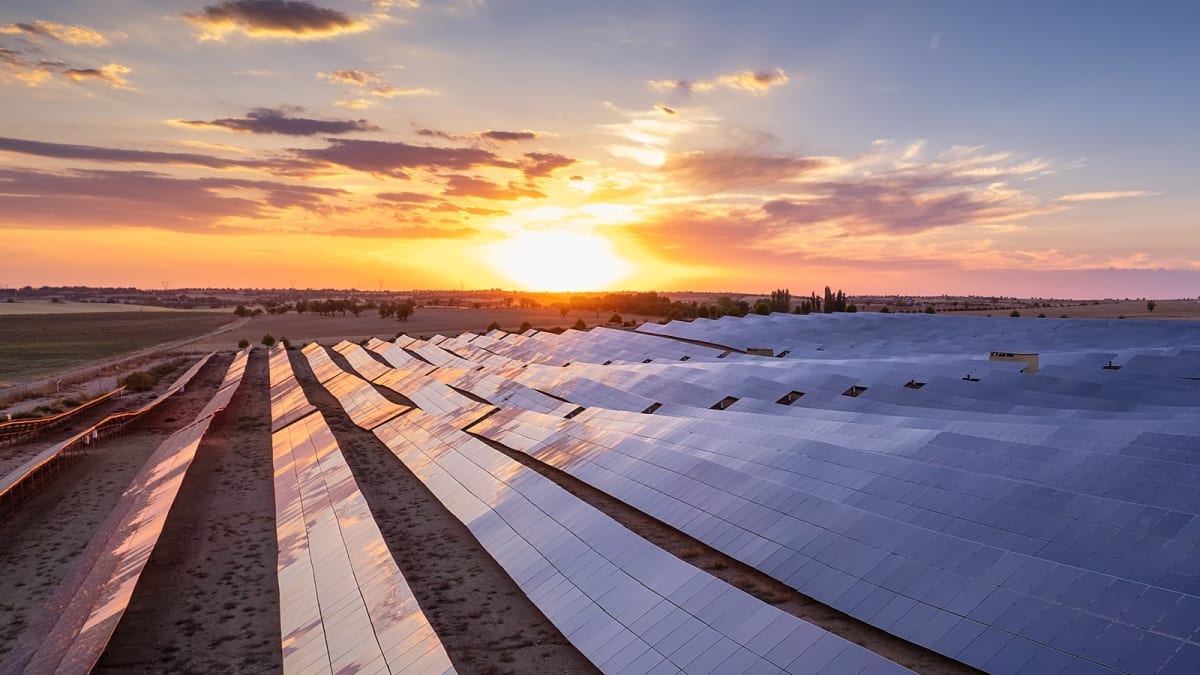
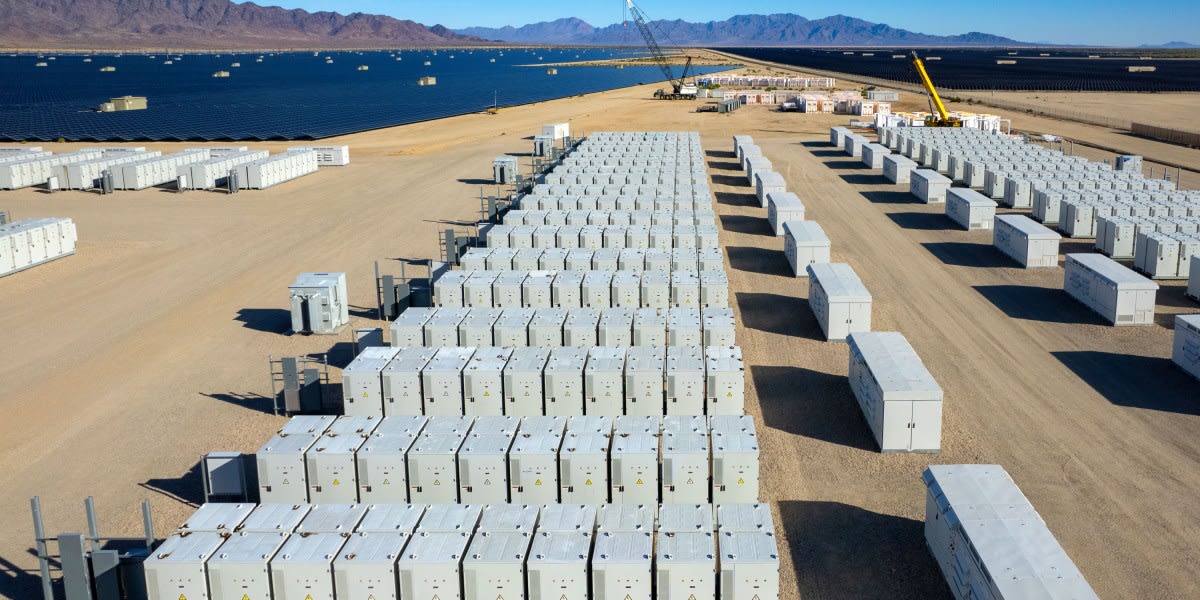
Over 30 groups are pushing Canada to build a coast-to-coast clean electricity grid that would lower energy bills, create thousands of jobs, and reduce reliance on volatile fossil fuels. The ambitious project has support from unions, Indigenous leaders, doctors, and mayors across the nation.
As oil prices spike during international tensions, more than 30 organizations are telling Canada's government it's time to go big on clean energy.
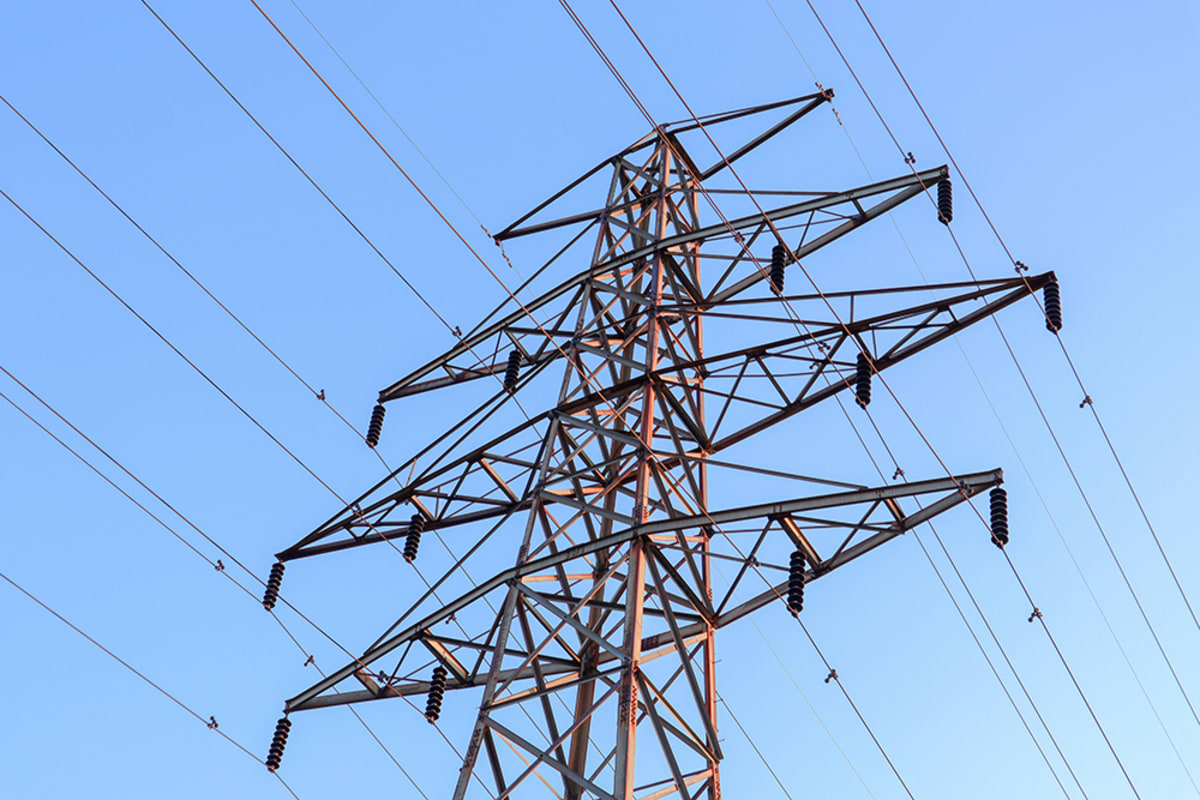
Representatives from 15 allied groups will meet with members of Parliament this week with a unified message: invest in a nationwide clean electricity grid powered by renewable energy. The coalition includes labor unions, Indigenous clean energy leaders, doctors, municipal leaders, and environmental organizations from across Canada.
The timing couldn't be better. Canada is expected to announce its National Electricity Strategy soon, and eight provinces plus two territories have already identified cross-provincial transmission projects as top priorities. Building a stronger grid was also a major commitment during the 2025 federal election.
Here's why it matters: Canada's electricity demand is projected to double or even triple by 2050 as industries, transportation, and heating systems switch to electric power. A connected grid would allow provinces to share electricity across the country, increasing reliability while reducing dependence on the United States and helping lower costs for families and businesses.
The project would create tens of thousands of good union jobs using Canadian-made components. It would also improve public health by reducing air pollution from fossil fuels, which contributes to heart attacks, strokes, chronic lung disease, and cancers.
Indigenous communities are already leading successful clean energy projects that generate revenue reinvested in local economic and social development. The groups emphasize that any new electricity projects must uphold the legal rights of First Nations, Inuit, and Métis Peoples, including free, prior, and informed consent, while prioritizing Indigenous-led and Indigenous-owned development.
The Ripple Effect
Public support is strong. More than 32,800 Canadians have signed petitions backing a clean, connected electricity grid. Separate polling shows 72 percent support federal investment in the project, and 76 percent want to reduce reliance on the United States as an electricity partner.
Yellowknife Mayor Ben Hendriksen calls it "one of the best nation-building, public investments Canada can make" at a time of energy uncertainty, cost-of-living pressures, and climate challenges increasing wildfire risks. The proposed Taltson Hydro Electric Expansion Project in the Northwest Territories shows the kind of commitment needed across the country.
Dr. Helen Hsu from the Canadian Association of Physicians for the Environment puts it simply: "More powerlines, fewer pipelines." Clean electricity regulations could deliver up to $8.7 billion in health benefits alone.
Canada stands at a turning point where renewable energy from coast to coast could power both the economy and a healthier future for everyone.
Based on reporting by Google: clean energy investment
This story was written by BrightWire based on verified news reports.
Spread the positivity!
Share this good news with someone who needs it