Canada Raises $584K to Block Invasive Mussels With DNA Tech
A community-led fundraiser in British Columbia's Okanagan region has raised $584,000 to fund a cutting-edge DNA detection system that could stop invasive mussels before they devastate local lakes. The campaign surpassed its $475,000 goal thanks to Rotary clubs, local governments, and individual donors rallying together to protect their waterways.
When invasive mussels threaten to cause hundreds of millions of dollars in damage to your lakes, you don't wait for disaster to strike. Communities across British Columbia's Okanagan region just proved that prevention is worth fighting for.
A groundbreaking fundraiser led by local Rotary clubs has raised more than $584,000 to support a new environmental DNA detection system for invasive zebra and quagga mussels. The campaign blew past its original goal of $475,000, with the final push bringing in over $109,000 from community groups alone.
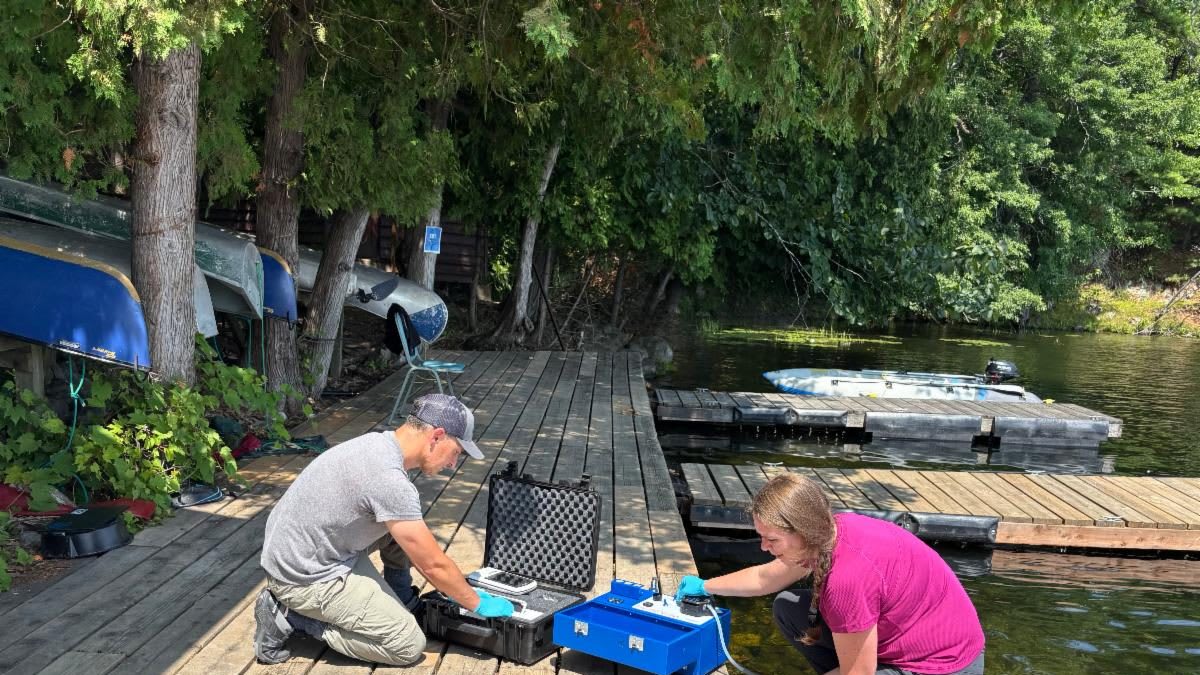
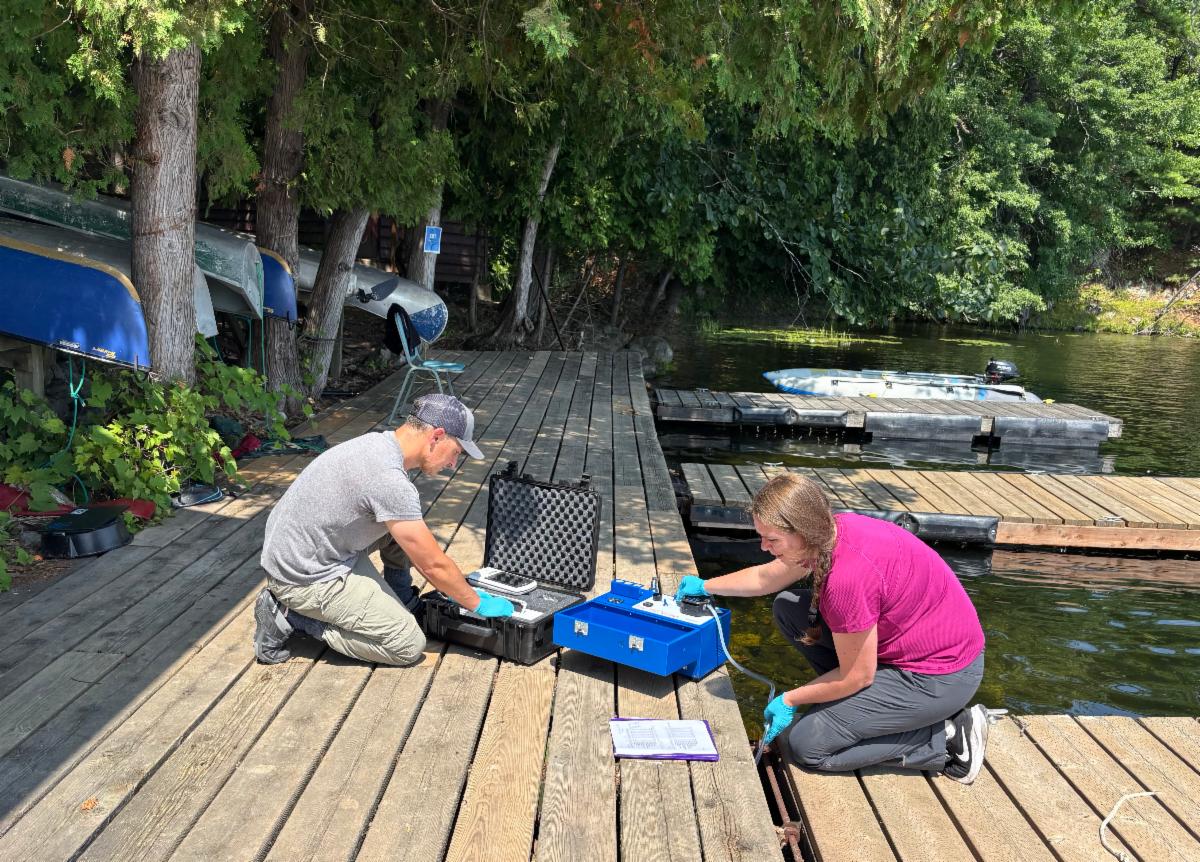
The funds will support a two-year pilot project led by researchers at the University of British Columbia Okanagan in partnership with the Okanagan Basin Water Board. The innovative eDNA system will collect and analyze tiny genetic samples from watercraft at roadside inspection stations, catching contamination that human eyes might miss.
Right now, only two mussel-sniffing dogs protect all of British Columbia from these aquatic invaders. This new technology will give watercraft inspectors a powerful new tool to keep invasive species out of pristine lakes.
The threat is real and expensive. Provincial estimates suggest zebra and quagga mussel contamination could cost British Columbia hundreds of millions of dollars annually, damaging hydroelectric facilities, drinking water systems, irrigation infrastructure, ports, marinas, and natural ecosystems.
The Ripple Effect
What started with a $200,000 contribution from the Okanagan Basin Water Board quickly became a region-wide movement. The Colin and Lois Pritchard Foundation added $100,000, followed by $75,000 from Mitacs and another $100,000 from the City of Kelowna-UBC Okanagan Research Alliance.
Colin Pritchard, who helped lead the Rotary effort, captured the spirit perfectly. "Rotarians have a mission to protect our planet and its resources and fund projects that have lasting impacts," he said. "When we learned about the threat invasive mussels pose, I knew we had to do something."
The campaign's success means the project might expand beyond initial research. The additional funding could put this technology directly into the hands of watercraft inspectors across the province, creating a protective barrier against ecological disaster.
Dr. Michael Russello, the project's principal investigator and UBC Okanagan Impact Research Chair in Conservation Genomics, emphasized the collaborative nature of the work. The research team includes partners from the University of California, Davis and Queen's University in Ontario, making this a North America-wide effort to combat a continental problem.
The technology represents more than just scientific innovation. It shows what happens when communities recognize a threat and decide to act before it's too late, pooling resources and expertise to protect what they love.
Sometimes the best news isn't about fixing a problem after it happens but stopping it before it starts.
More Images


Based on reporting by Google: fundraiser success
This story was written by BrightWire based on verified news reports.
Spread the positivity!
Share this good news with someone who needs it