Canada's Hydro-Québec Eyes Offshore Wind in Atlantic
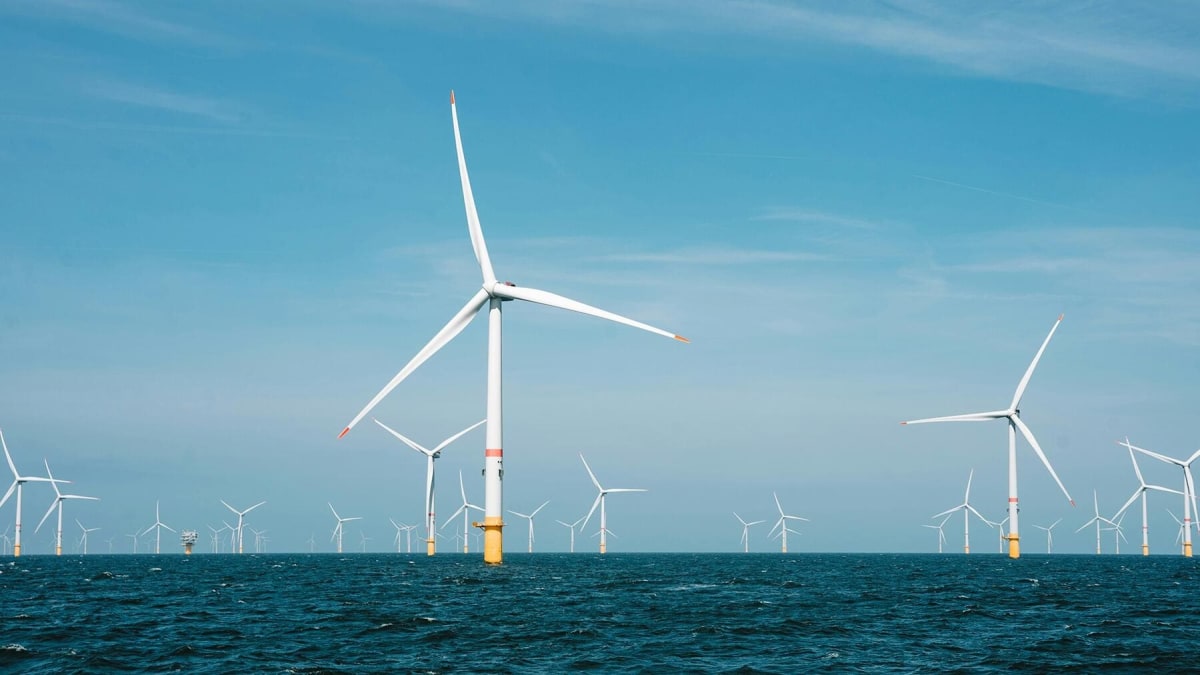
One of the world's largest clean energy producers is exploring offshore wind power off Nova Scotia's coast, signaling a major expansion of renewable energy collaboration across Canadian provinces. The move could strengthen energy security and cut costs for millions while accelerating the region's clean energy goals.
Canada's renewable energy sector just took another leap forward as Hydro-Québec begins evaluating offshore wind potential along Atlantic Canada's coastline.
The Montreal-based utility, which already serves over four million customers and ranks among the world's largest hydropower producers, issued a formal Request for Information targeting wind farm developments off Nova Scotia. The company wants to understand technology options, project timelines, costs, and how electricity could travel efficiently from ocean turbines to Québec and beyond.
This isn't just about generating more clean power. Hydro-Québec is exploring how subsea cables and interprovincial transmission links could connect Atlantic wind farms to existing grids, creating a stronger regional energy network that benefits multiple provinces at once.
The company emphasized this is purely exploratory for now, with no investment decisions made yet. But the evaluation signals serious interest in expanding beyond Québec's borders and tapping into some of North America's strongest wind resources.
Nova Scotia sits at the center of this opportunity. The province boasts remarkably consistent coastal winds and has already launched its first offshore wind tendering process, showing it's ready for large-scale development.
The Ripple Effect
This regional collaboration could reshape how Canadian provinces share and optimize clean energy. Hydro-Québec operates 16 interconnections with neighboring jurisdictions, meaning it already plays a crucial role in balancing power grids across eastern North America.
By pairing Nova Scotia's offshore wind with Québec's massive hydroelectric capacity, the provinces could complement each other perfectly. Wind farms generate intermittent power that fluctuates with weather, while hydropower provides steady, reliable backup.
The partnership could reduce infrastructure costs by sharing transmission networks rather than building separate systems. It would improve efficiency by moving renewable electricity to wherever it's needed most, and strengthen energy security across the entire region.
For Nova Scotia, this attention validates the province's growing importance in Canada's clean energy future. For Québec, it represents smart diversification beyond hydropower alone.
Founded in 1944, Hydro-Québec has spent eight decades perfecting clean energy production and already exports substantial electricity to the northeastern United States. Now it's looking to replicate that success by linking Canadian provinces through offshore wind.
The evaluation process will gather critical data from developers about what's technically possible, financially viable, and environmentally sound for Atlantic offshore wind farms. That information will shape future decisions about whether and how Hydro-Québec invests in ocean-based renewable energy.
Canada's clean energy momentum continues building while other nations face uncertainty about their renewable commitments.
More Images




Based on reporting by Google News - Wind Energy
This story was written by BrightWire based on verified news reports.
Spread the positivity!
Share this good news with someone who needs it