Canada's Remote Areas Getting Cell Service from Space by 2026
Millions of Canadians in remote areas will soon get reliable cell service without buying new phones, thanks to satellites connecting directly to regular smartphones. The technology promises to end dead zones across the country's vast wilderness starting in late 2026.
Imagine calling for help from a remote mountain trail or texting your family from a fishing boat in the Arctic using the phone already in your pocket. That's about to become reality for Canadians in the most isolated corners of the country.
Canadian telecom giant Telus just partnered with AST SpaceMobile to bring cell service to places where towers can't reach. The satellite network will connect directly to unmodified smartphones, meaning no special equipment needed for texts, calls, and data in Canada's remotest locations starting late 2026.
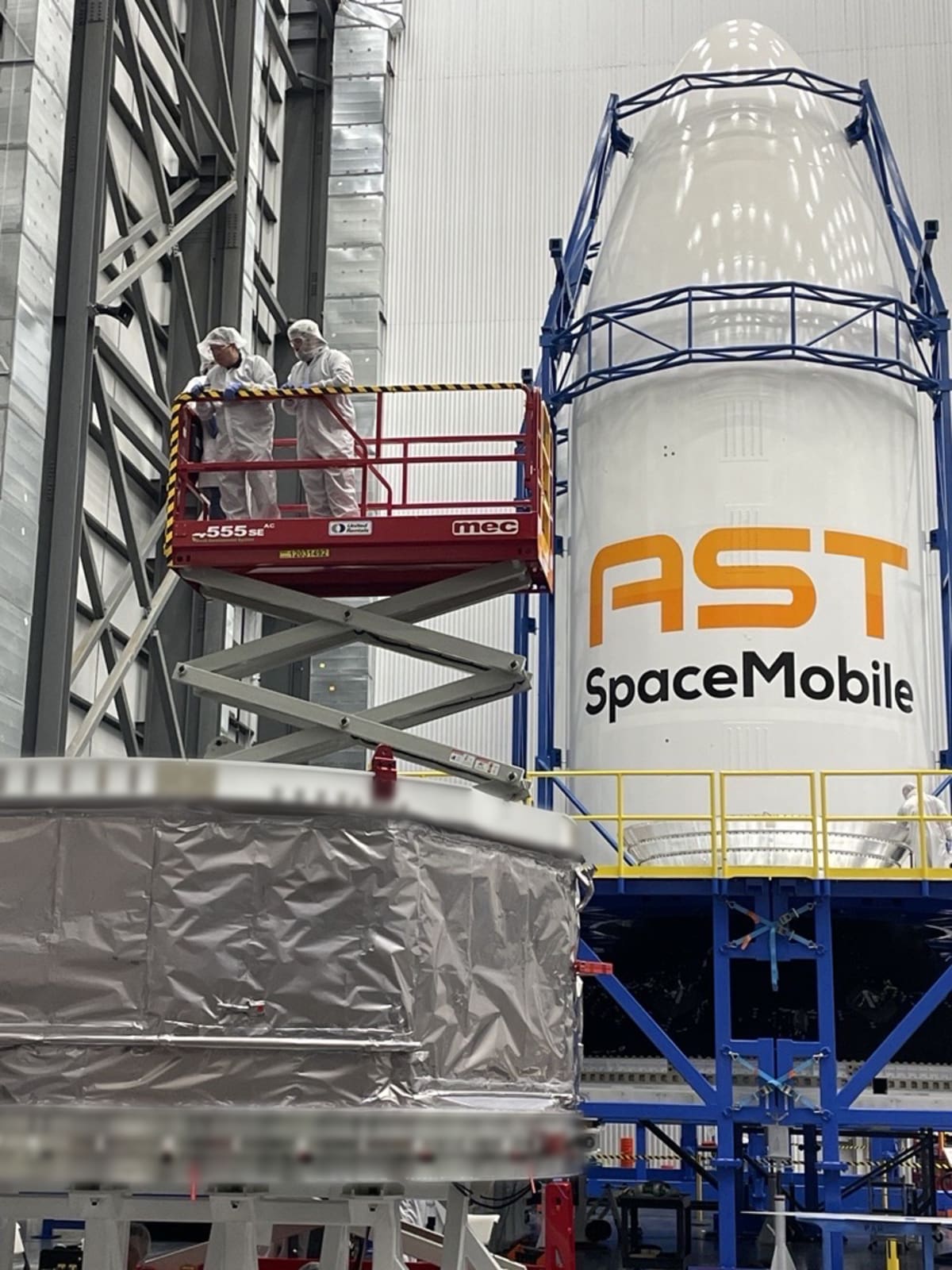
"Canada's vast geography, remote industries and dispersed communities make universal connectivity both a challenge and a necessity," said Chris Ivory from AST SpaceMobile. The company is building a network of satellites with massive antennas designed to beam signals strong enough to reach standard phones on the ground.
Telus joins Bell, another major Canadian carrier, in backing the technology. Together, they're building the ground stations needed to connect satellites to local networks. Rogers, Canada's third major carrier, chose a different path by partnering with SpaceX's Starlink Mobile service, which started connecting phones late last year.
The technology is already showing promise. AST SpaceMobile has successfully demonstrated voice calls, video streaming, and broadband data from space to regular smartphones during tests with partners worldwide. Their latest satellite sports a 223 square meter antenna, the largest commercial communications array ever placed in low Earth orbit, capable of delivering peak speeds over 120 megabits per second.
The Ripple Effect
This breakthrough extends far beyond convenience. Search and rescue teams will reach stranded hikers faster. Remote Indigenous communities will connect more easily with healthcare services. Workers in mines, forestry camps, and oil fields will stay in touch with loved ones. Emergency responders will have reliable communication during natural disasters when ground networks fail.
The satellite network is expanding globally too. Companies in the United States, United Kingdom, Saudi Arabia, Spain, France, Switzerland, Hong Kong, and Taiwan have all signed on to explore or deploy the service. Europe expects next generation satellite phone service across 10 countries by 2028.
AST SpaceMobile plans to launch at least 45 satellites by the end of 2026, with service becoming available in some markets after the first 25 spacecraft are deployed. Their next satellite launches later this month, bringing the promise of universal connectivity one step closer to reality for millions who've lived in cellular dead zones.
Soon, "no signal" might finally become a thing of the past.
More Images


Based on reporting by SpaceNews
This story was written by BrightWire based on verified news reports.
Spread the positivity!
Share this good news with someone who needs it