Canadian Town Doubles Poverty-Fighting Network in One Year
A small Ontario community proved local action matters when 25 service providers grew to 59 in just one year, all focused on helping neighbors escape poverty. Their collaboration is already creating real change in Midland.
When 25 local service providers met after a poverty awareness event in Midland, Ontario, they decided to keep meeting. One year later, that group has more than doubled to 59 members representing 26 organizations, all working together to help their neighbors.
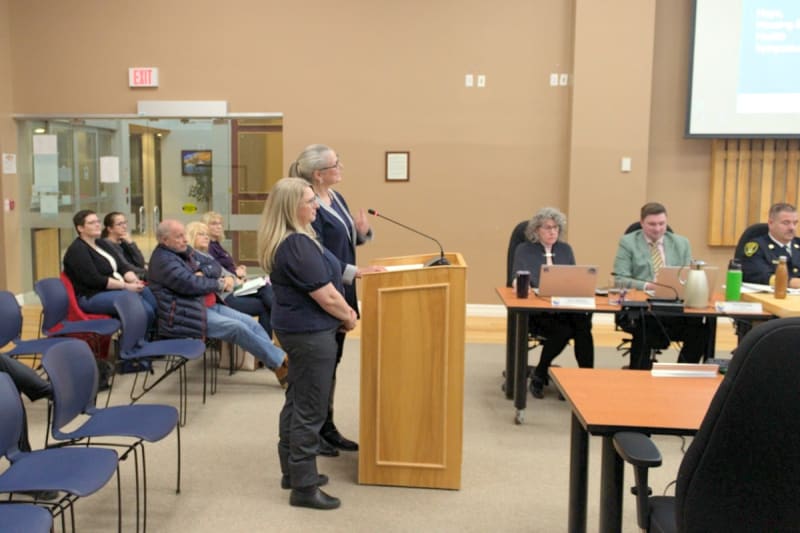
The Hope Housing and Health symposium brought together healthcare workers, social services, and local government for its third year running. This time, 90 service providers showed up to share strategies and coordinate their efforts.
The collaboration is tackling a real problem. About 17 percent of Midland households earn less than $30,000 per year, and roughly 60 percent of families sit in what organizers call "precarious stability." For many, covering rent means sacrificing other basics.
Registered nurse Amilynn Sharpe from the Simcoe Muskoka District Health Unit shared that 42 percent of Midland tenants spend 30 percent or more of their income on shelter. That's the line where housing costs start crowding out food, medicine, and other necessities.
Two town council members, Jamie-Lee Ball and Catherine MacDonald, helped lead the charge. Their involvement shows how local government can make a real difference even without big budgets or provincial powers.
Mayor Bill Gordon acknowledged the limits of what his town can do directly. "We have the desire, but not the funds to deliver on things that aren't in our wheelhouse," he said.
But Sharpe pushed back on that discouragement. Municipal governments control health policies, accessibility, transportation, and safety measures that all affect whether people can climb out of poverty. Those everyday decisions add up.
The Ripple Effect
The growing network means service providers now know who to call when someone needs help they can't provide. A health clinic can connect patients to housing support. A food bank can point families toward job training.
Council members are already approving more housing projects and working to combat the "not in my backyard" attitudes that often block affordable housing. Councilor Bill Meridis emphasized getting transitional homes and tiny homes built as a practical starting point.
The group is drafting a coordinated plan that could eventually attract resources from provincial and federal governments. By showing local commitment and collaboration, Midland is building the case for outside investment.
Ball told reporters the work goes far beyond formal planning documents. "You don't need a terms of reference to take action," she said, pointing to the real initiatives already underway.
The community is invited to attend next year's symposium and see how neighbors are helping neighbors build a more stable future.
Based on reporting by Google News - Poverty Reduction
This story was written by BrightWire based on verified news reports.
Spread the positivity!
Share this good news with someone who needs it