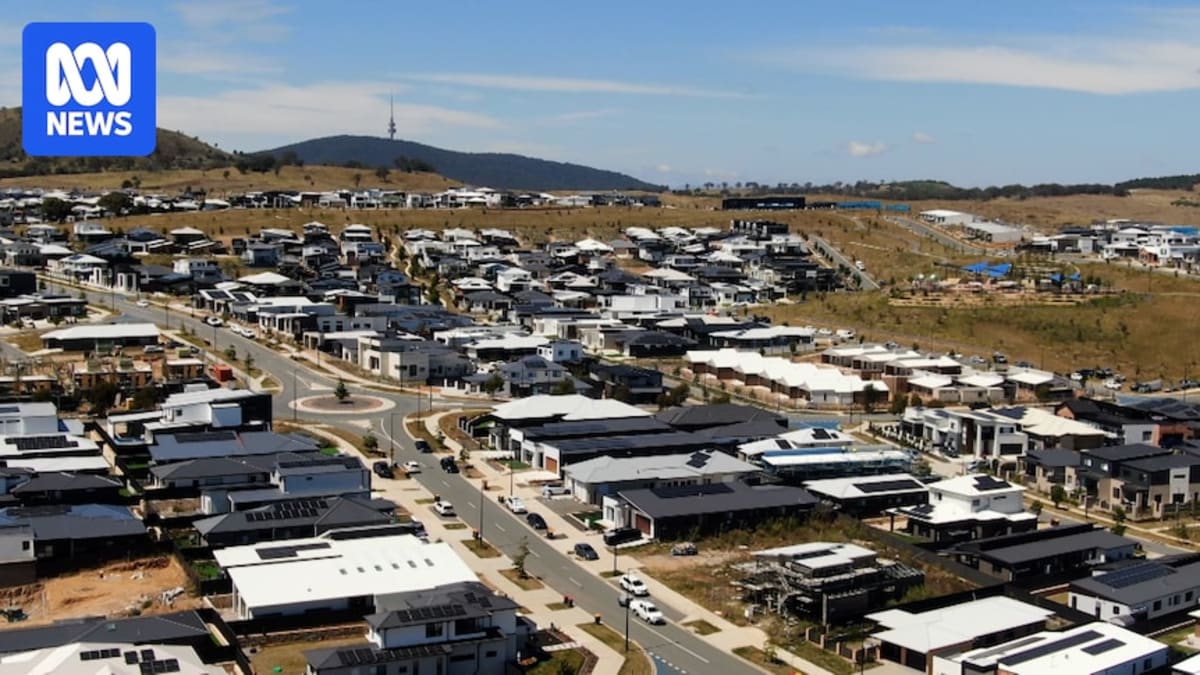
Canberra Plans 26,000 New Homes by 2031
Australia's capital territory is tackling its housing shortage with an ambitious plan to build nearly 26,000 homes over five years. The program prioritizes apartments and townhouses to meet the needs of a growing population expected to hit 700,000 by 2050.
Canberra is getting serious about solving its housing crisis with a bold commitment to build 26,000 new homes by 2031.
The Australian Capital Territory government just unveiled its five-year Housing Supply and Land Release Program, kicking off with 4,300 new homes this financial year. It's part of a larger goal to enable 30,000 homes by the end of the decade as the region's population surges toward 700,000.
The plan reflects a major shift in how Australians might live in the future. Nearly 90 percent of the new homes will be apartments and multi-unit dwellings rather than standalone houses, with most construction happening within the city's existing neighborhoods.
Housing Minister Yvette Berry says the government is reserving 15 percent of suitable residential land for public, community, and affordable housing. That translates to nearly 300 homes specifically targeted for people who need them most in just the first year.
The government is betting big on "missing middle" housing, a term for townhouses, terraces, and low-rise apartments that bridge the gap between high-rise towers and single-family homes. New legislation going before the assembly this week would allow residential blocks across the territory to be developed into these medium-density options.
Treasurer Chris Steel emphasizes that greenfield sites (previously undeveloped land) are finite in the region. The strategy combines government land releases in areas like Molonglo and Macnamara with encouraging development on privately-owned land through zoning reforms.
Not everyone is convinced the targets are realistic. Industry groups worry that shifting development responsibility from professional builders to individual homeowners might slow progress, especially with high interest rates and material costs.
The Ripple Effect
Beyond raw numbers, this plan represents a fundamental rethinking of urban living in Australia's planned capital. By focusing development within existing neighborhoods rather than endless suburban sprawl, Canberra is choosing sustainability and community connectivity over the traditional quarter-acre dream.
The emphasis on affordable housing integration means these new neighborhoods won't just be luxury developments. Teachers, nurses, and service workers will have pathways to live near where they work, reducing commute times and strengthening community bonds.
If successful, Canberra's approach could become a blueprint for other Australian cities wrestling with housing shortages and urban sprawl. The focus on transit-oriented development and building near shopping centers promises more walkable, livable neighborhoods where daily needs are minutes away instead of a car ride.
Building 26,000 homes in five years is ambitious, but it's the kind of ambitious our growing cities desperately need.
More Images


Based on reporting by ABC Australia
This story was written by BrightWire based on verified news reports.
Spread the positivity!
Share this good news with someone who needs it