Cancer Blood Tests Show Promise Despite Early Setbacks
New blood tests that scan for dozens of cancers at once are advancing rapidly, offering hope for earlier detection in high-risk patients. While current trials show they're not ready for widespread use yet, scientists say the technology could transform cancer care as it improves.
Imagine a single blood test that could detect dozens of different cancers before you even feel sick. That future may be closer than you think, though it's taking longer to arrive than early headlines suggested.
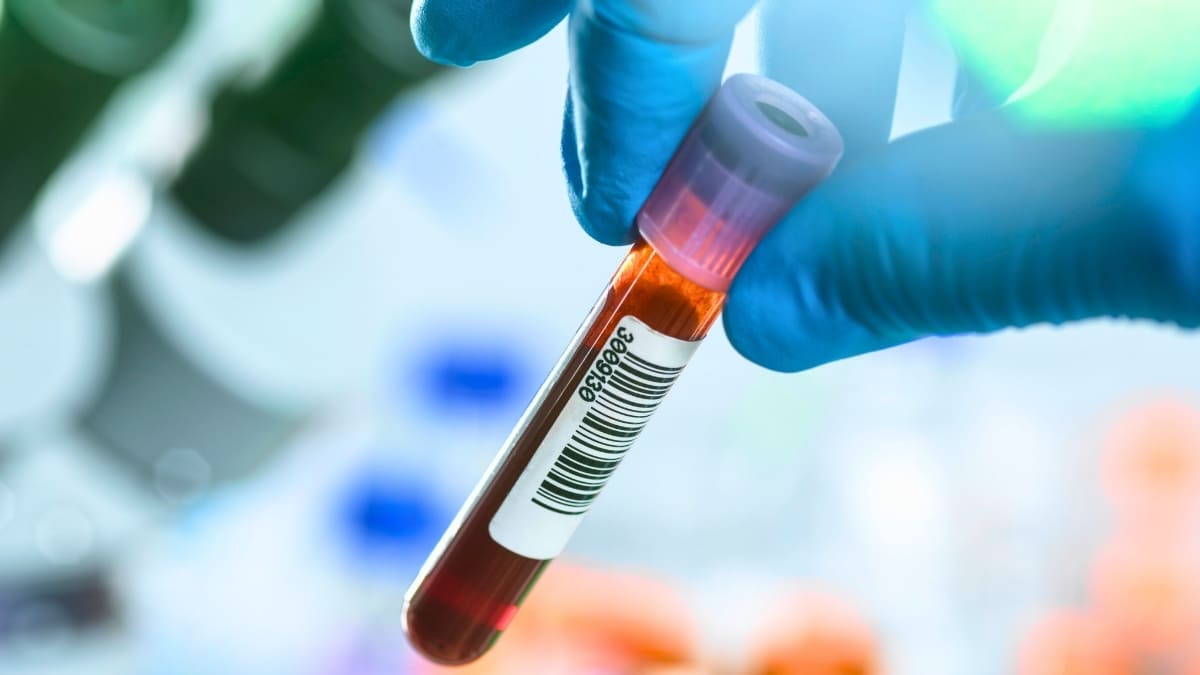
Scientists have developed blood tests that hunt for tiny DNA fragments from cancer cells circulating in your bloodstream. Instead of waiting for symptoms like unexplained weight loss or a mysterious lump, these tests promise to catch cancer when it's most treatable.
NHS England recently trialed the technology with 142,000 patients, calling it "the beginning of a revolution." The tests use powerful lab machines to analyze DNA patterns that might reveal hidden cancers anywhere in the body.
But recent results show the technology needs more work. In one major UK study, the blood test missed most cancers that participants later developed. A negative result doesn't mean you're cancer-free, which creates a dangerous problem: people might ignore real symptoms because they trust their recent test results.
The tests also trigger false alarms, flagging cancer when none exists. That means anxious patients and stretched health systems conducting follow-up investigations that lead nowhere.
Traditional screening like mammograms and colonoscopies went through decades of careful trials proving they save lives. These new blood tests haven't cleared that bar yet, and scientists don't know if using them widely would actually reduce cancer deaths.
The Bright Side
The science behind these tests is sophisticated and improving fast. For people at high risk (those with strong family histories or inherited genetic mutations), the tests might genuinely help catch tumors earlier than current methods allow.
They're already proving useful for monitoring whether cancer returns after treatment and helping doctors choose treatments matched to each patient's specific cancer biology. Research teams continue refining the technology, learning from each trial.
Meanwhile, proven cancer prevention strategies still work: smoking cessation, weight management, and existing screening programs that reach the people who need them most. If you notice persistent symptoms like unexplained bleeding, ongoing cough, or changes in bowel habits lasting more than a few weeks, contact your doctor regardless of any previous test results.
Cancer outcomes have been steadily improving thanks to better treatments, earlier diagnosis, and public health measures. These blood tests will likely play an important role in the next chapter of that progress story, giving doctors another powerful tool as the technology matures and evidence builds.
More Images



Based on reporting by Google News - Health
This story was written by BrightWire based on verified news reports.
Spread the positivity!
Share this good news with someone who needs it

.jpg)