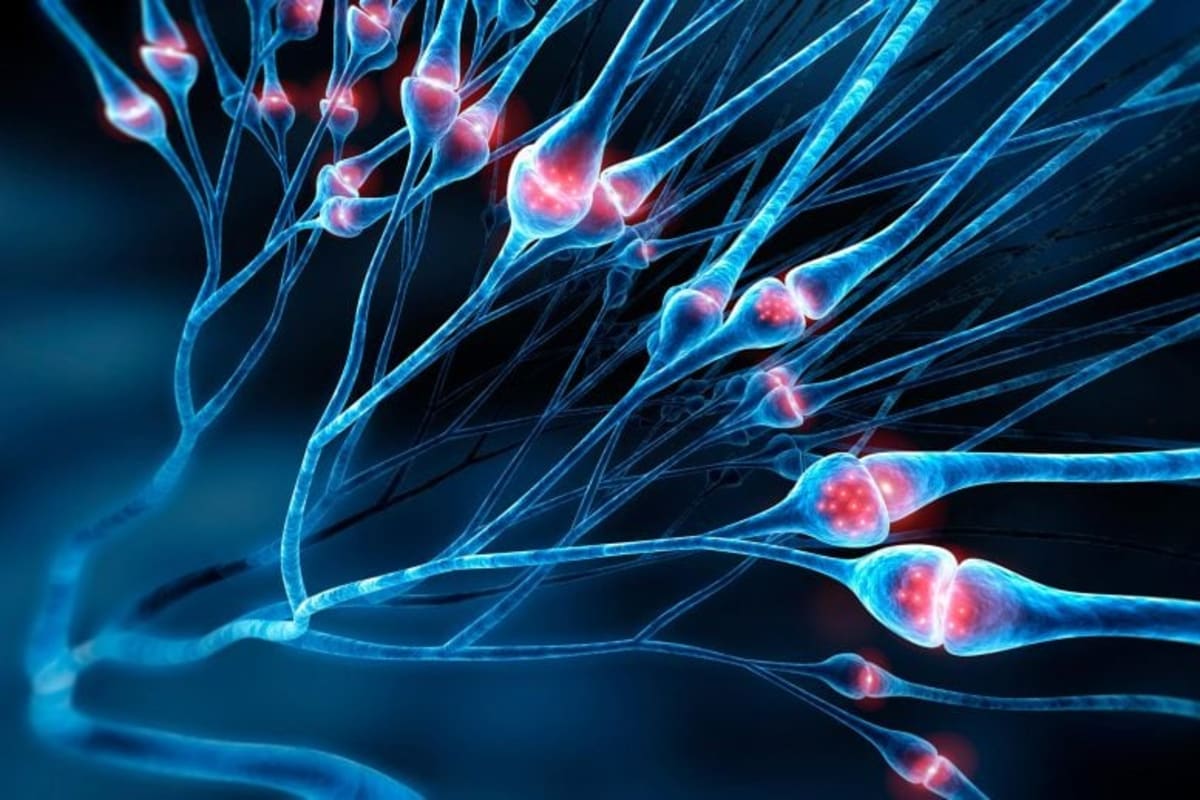
Cancer Drug Cuts Chronic Nerve Pain in Breakthrough Study
Scientists at MD Anderson Cancer Center discovered that a protein linked to cancer also drives chronic nerve pain, and existing cancer drugs reduced pain in early tests. The finding could fast-track new treatments for millions suffering nerve damage pain that doesn't respond to current medications.
Millions of people living with chronic nerve pain may soon have hope from an unexpected source: cancer drugs already sitting on pharmacy shelves.
Researchers at The University of Texas MD Anderson Cancer Center discovered that BRAF, a protein famous for fueling certain cancers, also plays a starring role in the kind of relentless pain that follows nerve injuries. When they tested existing cancer drugs that block BRAF in preclinical models, pain sensitivity dropped significantly.
The breakthrough centers on understanding why nerve pain becomes chronic in the first place. Unlike a headache that fades or a cut that heals, neuropathic pain can persist for years after an injury, disease, or even life-saving cancer treatments. Standard pain medications often barely touch it.
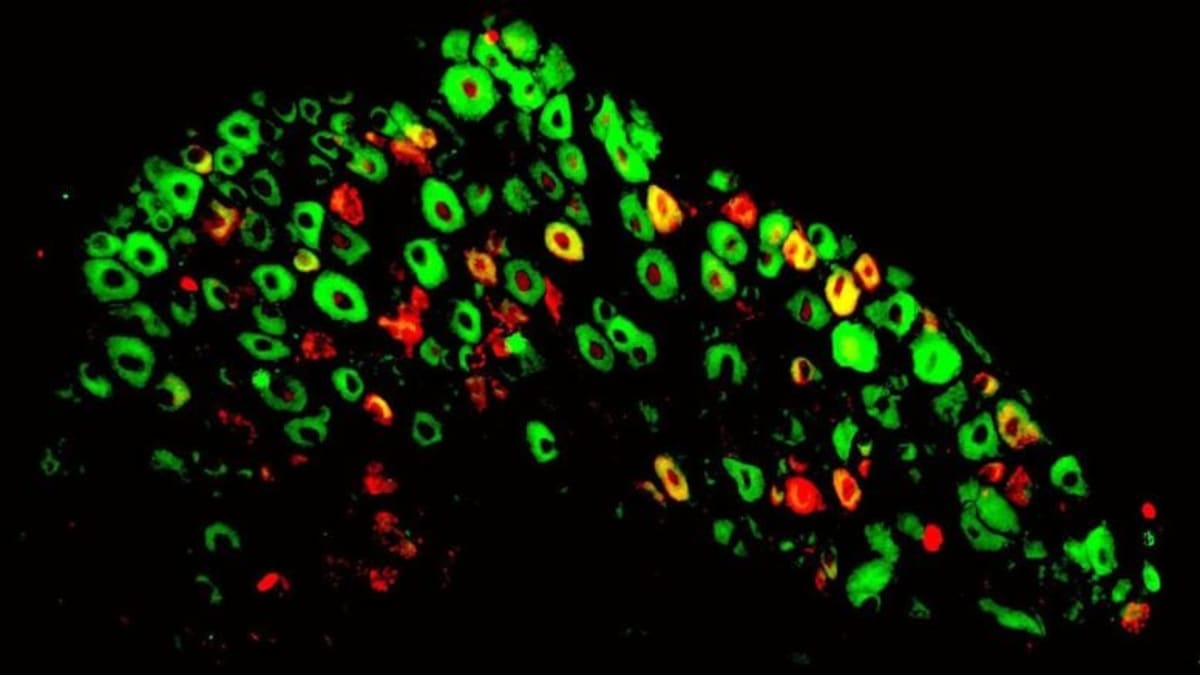
Dr. Hui-Lin Pan and Dr. Shao-Rui Chen led the research team that traced the problem to NMDA receptors, communication channels in the spinal cord that can get stuck in overdrive after nerve damage. They found that BRAF travels from injured nerve cells to the spinal cord, where it cranks up these receptors and amplifies pain signals.
The team tested this theory with vemurafenib and selumetinib, drugs already approved for cancer treatment. In preclinical models with nerve injuries, both drugs reduced sensitivity to touch, pressure, and heat. Importantly, they didn't affect normal pain responses in models without nerve damage, suggesting they target the disease process itself.
Genetic experiments confirmed BRAF's central role. Removing the Braf gene led to less persistent pain, while activating BRAF triggered pain sensitivity even without nerve injury. The results, published in Science Signaling, create a clear map from cause to effect.
Why This Inspires
This discovery matters because it could dramatically speed up relief for people in pain. Developing a new drug from scratch typically takes over a decade and billions of dollars. Repurposing approved medications can cut that timeline to a fraction, potentially bringing treatments to patients in years instead of decades.
The research also represents a shift in how scientists think about pain. For too long, chronic pain has been treated as an inevitable consequence of nerve damage rather than a distinct condition with its own molecular drivers. Understanding BRAF's role opens doors to understanding the fundamental biology of why some pain refuses to fade.
Before these cancer drugs can move into human trials for nerve pain, researchers need to determine proper doses, delivery methods, and watch for side effects. They also want to understand what triggers BRAF to migrate from peripheral nerves to the spinal cord after injury. But the foundation is solid, and the path forward is clear.
For anyone who has watched chronic pain steal someone's quality of life, this research offers something precious: a roadmap to relief built on drugs that already exist.
More Images


Based on reporting by Google News - Scientists Discover
This story was written by BrightWire based on verified news reports.
Spread the positivity!
Share this good news with someone who needs it