Cancer Drug Now Made in 38 Minutes With Push of a Button
Scientists at the University of Missouri just turned a six-hour cancer drug production process into a 38-minute automated procedure. The breakthrough could speed up clinical trials for prostate cancer treatment and make life-saving therapies more accessible.
A cancer-fighting drug that once took six hours of careful manual labor can now be made in 38 minutes at the push of a button. Researchers at the University of Missouri just cracked the code on automating production of a promising prostate cancer treatment, and the breakthrough could help more patients access potentially life-saving care.
The drug candidate, called CTT1403, combines a radioactive isotope that kills cancer cells with a targeting molecule that acts like a GPS system. It locks onto prostate cancer cells while leaving healthy tissue alone.
But there was a problem. The targeting molecule is extremely sensitive to heat and acid, making production tricky and time-consuming. Scientists had to attach the radioactive component under high heat, cool everything down, then carefully connect the targeting molecule in a process that demanded constant hands-on attention.
The Missouri team found an elegant solution. They pre-connected the targeting molecule and attachment point, then discovered the perfect temperature that allows everything to bind together without damage. At 60 degrees Celsius, the process works beautifully.
Now a commercially available machine housed at the University of Missouri Research Reactor does all the work automatically. The team proved in preclinical testing that the automated version works just as well as the painstaking manual method.
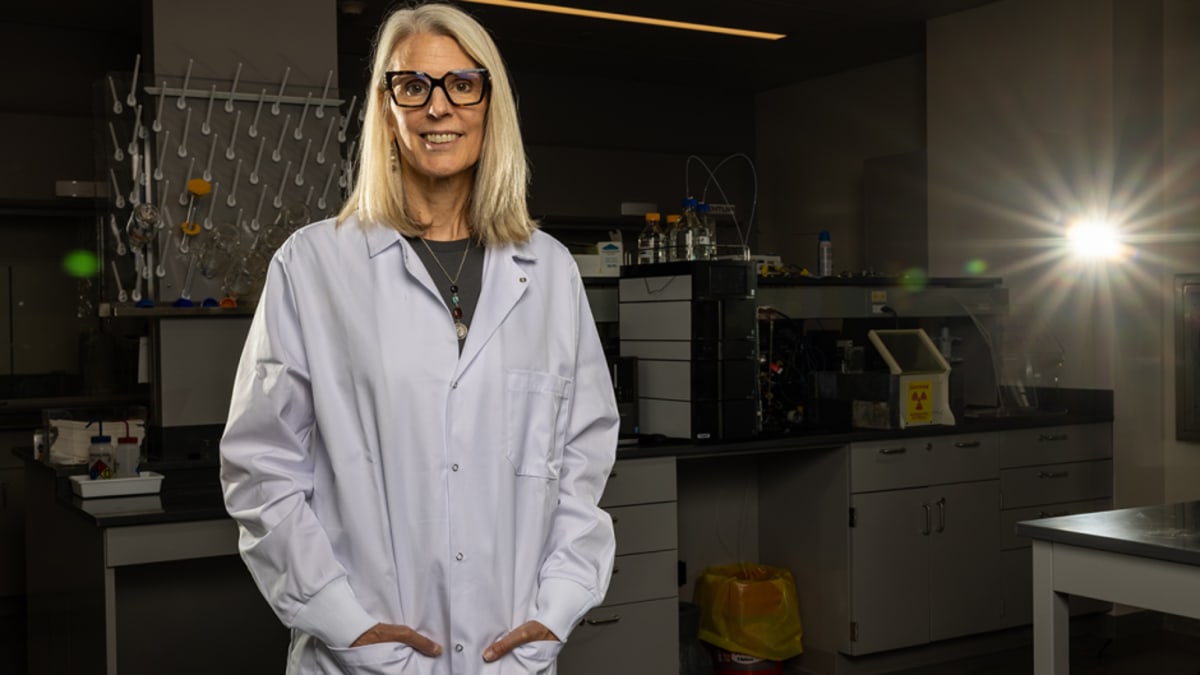
Lead researcher Meltem Ocak points out another major win. Workers no longer have to physically handle radioactive materials as much, making the entire process safer for everyone involved.
The Ripple Effect
This isn't just about one drug for one type of cancer. The research provides a roadmap that other scientists can follow to automate production of different cancer treatments using similar radioactive isotopes.
The machine used in this study is portable, which opens up exciting possibilities. Hospitals and pharmacies might one day produce certain cancer treatments onsite, getting therapies to patients faster and more affordably.
For patients in advanced stages of prostate cancer, this breakthrough means the drug candidate could move into larger clinical trials more quickly. Automated production makes it possible to create more doses reliably and efficiently, exactly what's needed to test treatments in bigger groups of people.
The University of Missouri is uniquely positioned for this kind of innovation. The research reactor already produces lutetium-177, the radioactive isotope at the heart of this treatment, and the university houses deep expertise in both chemistry and radiopharmaceuticals.
Researcher Carolyn Anderson sees this as just the beginning for applying the protocol to other cancer diagnostics and treatments that rely on the isotopes produced at Missouri.
What started as solving one production bottleneck could ripple outward to help countless cancer patients access cutting-edge treatments faster and more safely than ever before.
More Images

Based on reporting by Google News - Scientists Discover
This story was written by BrightWire based on verified news reports.
Spread the positivity!
Share this good news with someone who needs it