Cancer-Fighting Cells May Slow ALS, Other Brain Diseases
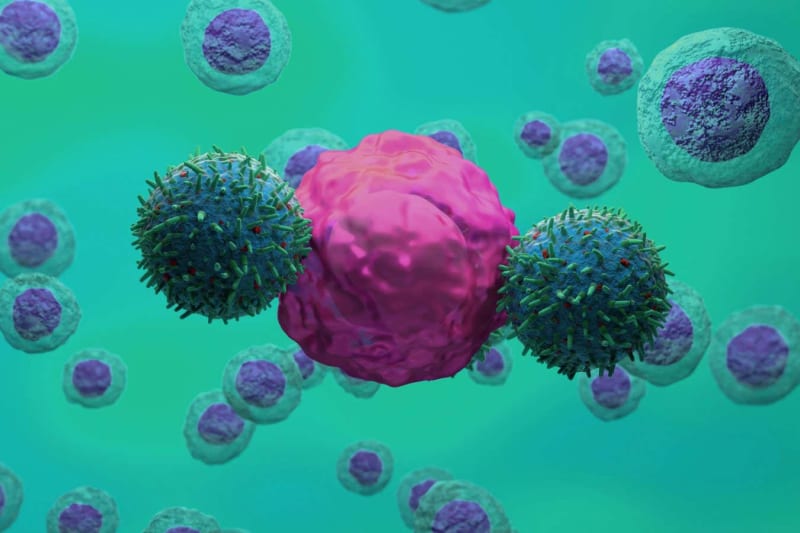
Scientists have found a way to use CAR T-cells, already proven to cure some cancers, to slow the devastating effects of ALS by targeting rogue immune cells in the brain. The breakthrough could extend lives and eventually help treat dementia and other neurodegenerative diseases.
Imagine if the same treatment that cures certain cancers could help people with ALS live longer, healthier lives. That future just got closer thanks to researchers at the Jefferson Weinberg ALS Center in Pennsylvania.
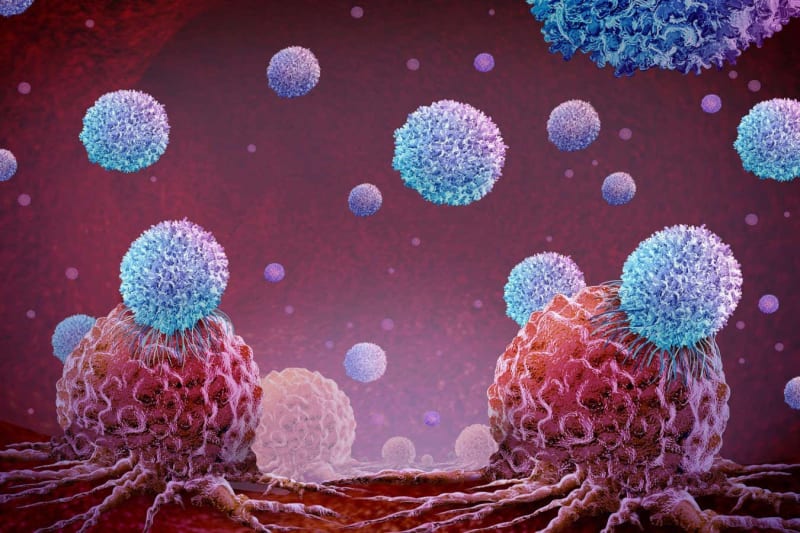
Scientists led by Davide Trotti have discovered how to use CAR T-cells to target the overactive immune cells that destroy motor neurons in ALS patients. These genetically engineered immune cells, already used successfully against cancer, could slow down the disease that typically gives people just two to five years to live after diagnosis.
ALS, also known as Lou Gehrig's disease, steals the nerve cells that control voluntary muscles. Stephen Hawking famously lived with it for decades, but fewer than 10 percent of patients survive more than 10 years. For the 90 to 95 percent of cases with unknown causes, doctors have had no effective treatments to offer.
The breakthrough came from understanding how certain immune cells called microglia go haywire in ALS patients. Normally, microglia protect the brain and clean up cellular debris. But some flip into overdrive, pruning too many connections between neurons and accelerating the loss of motor function.
Trotti's team discovered these rogue microglia display a protein called uPAR on their surface like a name tag. By engineering CAR T-cells to recognize that tag, they created a precision weapon that kills only the dangerous cells while leaving healthy neurons untouched.
Lab tests have already shown the treatment works in cell cultures. Mouse trials with promising results are expected within a year, and the desperate need for ALS treatments means human trials could follow quickly if the animal studies succeed.
The treatment won't cure ALS or restore lost motor neurons. But slowing the disease's progression would give patients precious extra months or years with their families.
The Ripple Effect
The implications stretch far beyond ALS. Ammar Al-Chalabi at King's College London, who has tested other immune therapies for ALS, called the approach "very promising and interesting." Evidence increasingly points to immune dysfunction driving multiple brain diseases.
Overactive microglia likely contribute to dementia and other conditions where the brain slowly loses function. The same CAR T-cell approach could one day slow those diseases too, giving millions more people extra time with clear minds and strong bodies.
Challenges remain, particularly the high cost and potential side effects of CAR T-cell therapy. But teams worldwide are working to make the treatment safer and cheaper, including methods that generate the cells inside patients' bodies rather than extracting and reengineering them in labs.
For now, the research offers something that's been desperately lacking: real hope that science can fight back against diseases that have seemed unstoppable.
More Images


Based on reporting by New Scientist
This story was written by BrightWire based on verified news reports.
Spread the positivity!
Share this good news with someone who needs it