Cancer Pioneer Richard Scolyer Honored with State Funeral
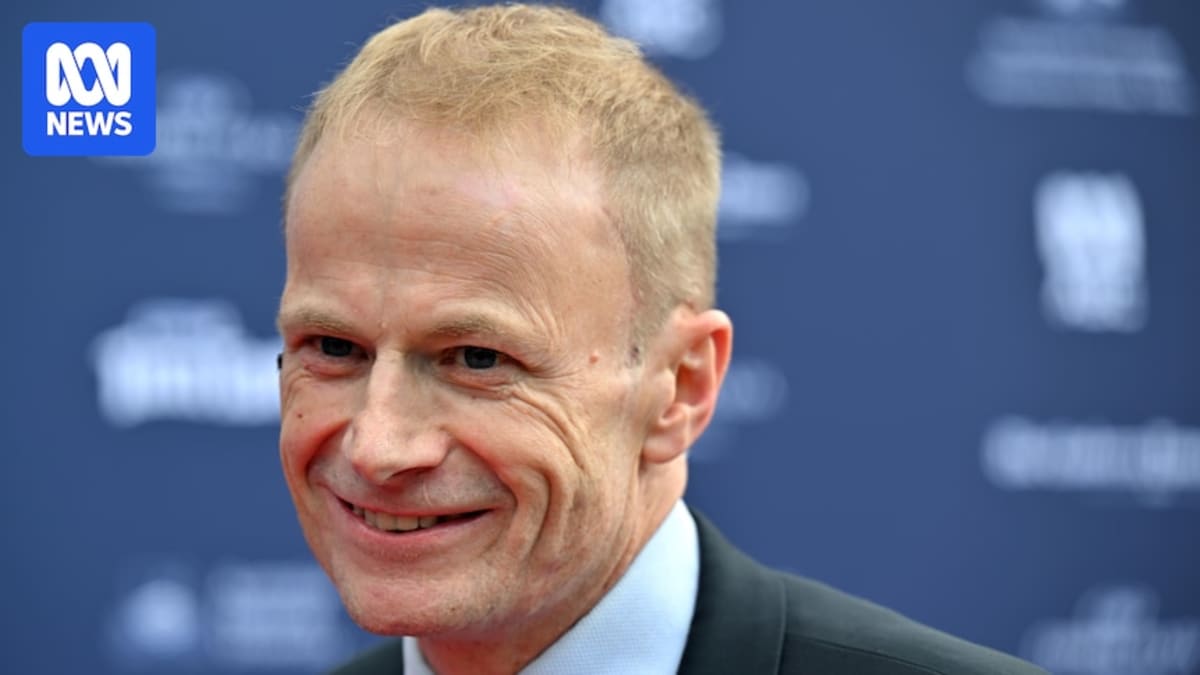
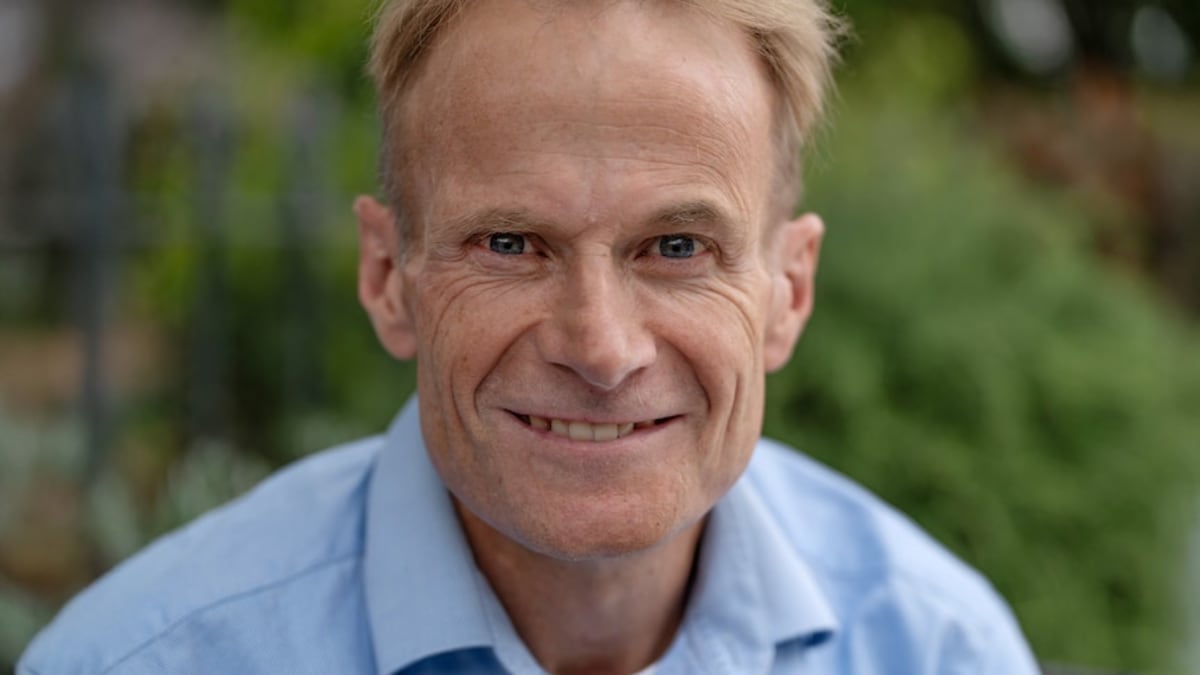
Melanoma expert Richard Scolyer, who tested his own revolutionary cancer treatment on himself after a brain cancer diagnosis, passed away at 59 surrounded by family. His three-year battle inspired thousands and advanced research that will save countless lives.
When melanoma pathologist Richard Scolyer was diagnosed with aggressive brain cancer in 2023, he refused to simply accept his fate. Instead, the Australian scientist became his own experimental patient, testing the revolutionary immunotherapy treatment he'd helped develop for melanoma on his own glioblastoma.
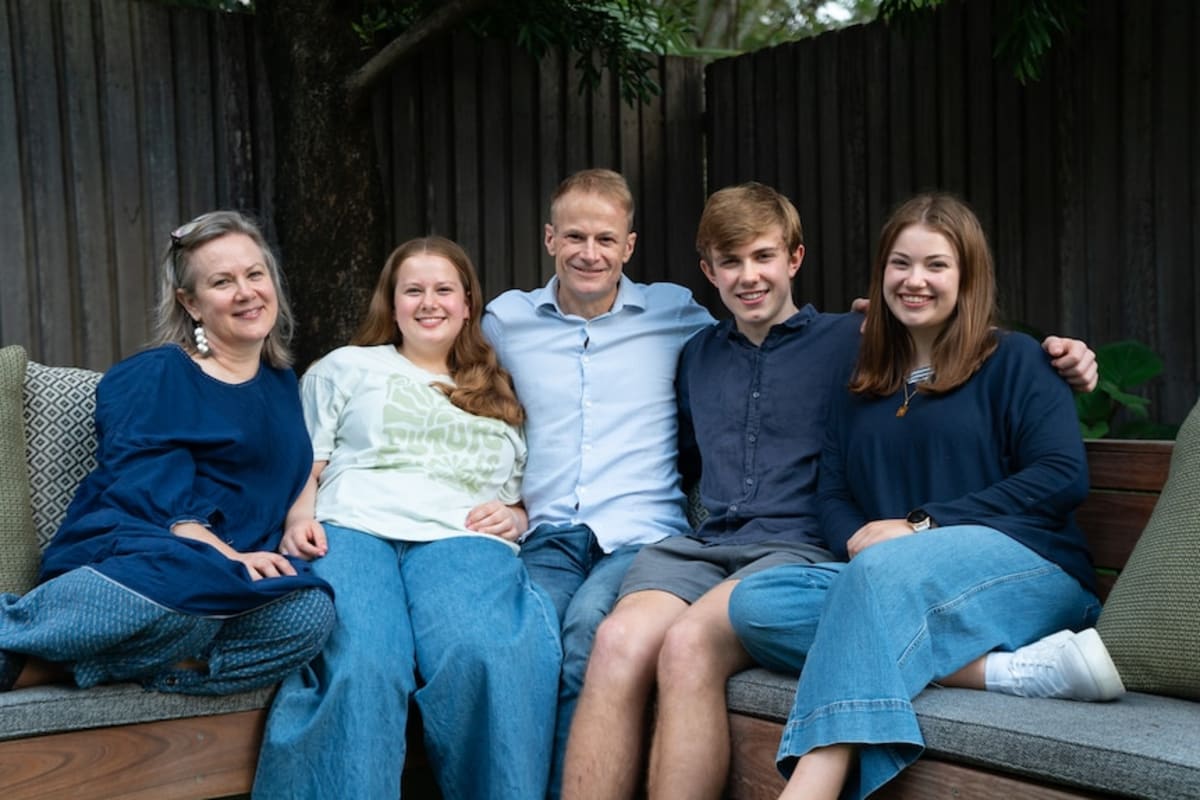
Professor Scolyer passed away peacefully on Sunday night, surrounded by his wife Katie and three children Emily, Matthew, and Lucy. He was 59 years old.
For nearly three years, Scolyer shared his journey openly with the world. He posted candidly about the ups and downs of treatment, offering hope and solidarity to fellow cancer patients who felt alone in their battles.
His brother-in-law Charles Nicholl read a family statement describing how Scolyer "rose daily without complaint" despite his illness. "His rationale was simple: he wanted to continue to make a difference, and he wanted cancer patients to know they weren't alone."
Before his diagnosis, Scolyer spent over two decades at Melanoma Institute Australia, where he helped build the world's largest melanoma biospecimen bank. His work alongside co-director Georgina Long earned them joint recognition as 2024 Australians of the Year.
Prime Minister Anthony Albanese, who called Scolyer a personal friend and former neighbor, announced that the professor's wife accepted an offer for a state funeral. "One day when a cure is found, Richard's name will be spoken," Albanese said.
Why This Inspires
Scolyer's courage extended far beyond the laboratory. While battling his own terminal illness, he continued pursuing research funding and communicating with cancer patients worldwide, lifting the veil of secrecy that often surrounds the disease.
His family remembers him as a devoted father who mentored his children with the same passion he brought to his scientific work. They've committed to continuing his advocacy for greater investment in brain cancer research.
The experimental treatment Scolyer tested on himself has already provided valuable data that researchers believe will help future glioblastoma patients. His willingness to be both scientist and subject accelerated understanding of how immunotherapy might work against aggressive brain cancers.
Scolyer's legacy lives on through his published melanoma research, his groundbreaking brain cancer work, and the honest conversations he sparked about living with terminal illness. The family asks that those wishing to honor his memory consider donating to brain cancer research.
More Images


Based on reporting by ABC Australia
This story was written by BrightWire based on verified news reports.
Spread the positivity!
Share this good news with someone who needs it