Cancer Survival Hits 70% as New Care Model Spreads Hope
For the first time in history, seven out of 10 cancer patients in America now survive at least five years after diagnosis. A groundbreaking partnership in Connecticut shows how collaboration is making cutting-edge treatments available to patients everywhere, not just in major cities. #
A report released this month by the American Cancer Society delivered news that once seemed impossible: 70% of cancer patients in the United States now survive five years or longer after their diagnosis.
That's a dramatic leap from 50% survival in the mid-1970s and 63% in the 1990s. Even more promising, the data comes from 2015 to 2021, meaning today's survival rates are likely even higher as treatments continue advancing.
Overall cancer deaths are projected to decline by up to 2% each year for the next decade. For many of these five-year survivors, those five years mark the beginning of a full life ahead, not just borrowed time.
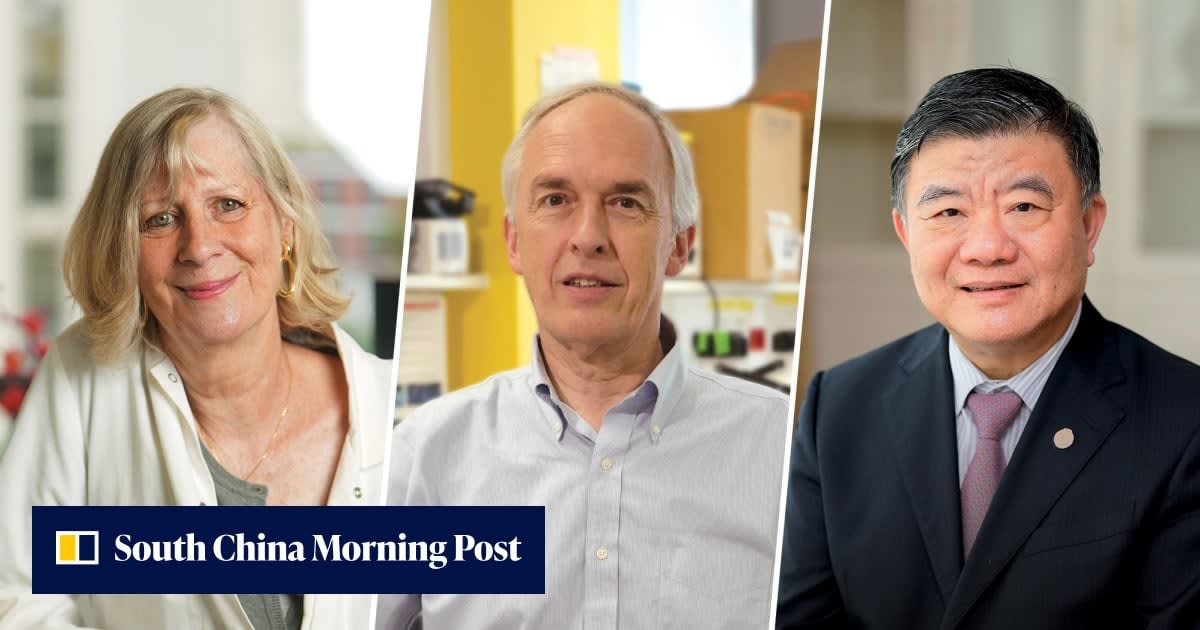
Dr. Peter Yu, physician-in-chief of the Hartford HealthCare Cancer Institute, has watched this transformation firsthand. "For the patient receiving a cancer diagnosis, it gets personal fast," he says. "We cure patients one at a time."
Those individual cures are adding up thanks to innovations like immunotherapies and precision medicine guided by genomic sequencing. For patients who aren't yet cured, cancer has often become a manageable chronic disease rather than a death sentence.
Hartford HealthCare recently became the first healthcare system in the nation to be designated as a Memorial Sloan Kettering Cancer Center Care Partner after 10 years of collaboration. The partnership brings world-class research and treatment expertise to communities across Connecticut.
Patients in Hartford, Bridgeport, Manchester, Fairfield, and rural areas of Connecticut now have access to clinical trials and breakthrough treatments previously only available at major cancer centers. Doctors and nurses work side by side with MSK experts to speed the transfer of knowledge about the latest advances.
The Ripple Effect
This model of partnership represents more than just better care for one state. It's a blueprint for how innovation can reach patients wherever they live, breaking down the barriers between cutting-edge research centers and community hospitals.
More clinical trials in more communities mean faster advances for everyone. When a patient in rural Connecticut can access the same targeted therapies as someone in Manhattan, the pace of discovery accelerates because more diverse patients contribute to medical knowledge.
The partnership also explores emerging technologies in telemedicine, creating better experiences for patients and families who might otherwise face hours of travel for appointments.
These advances matter most in the moments that feel most personal: when someone hears the word cancer and wonders what comes next. Increasingly, what comes next is hope backed by real science, available close to home.
The cure for cancer isn't one dramatic breakthrough but thousands of discoveries, partnerships, and healed patients building toward a future where survival becomes the expectation, not the exception.
#
More Images


Based on reporting by Google News - Cure Discovery
This story was written by BrightWire based on verified news reports.
Spread the positivity!
Share this good news with someone who needs it