Cancer Survival Rates Jump to 70% as 53M Live Longer
Cancer survival rates have soared from 49% to 70% since the 1970s, giving millions more years with loved ones. Better treatments and early detection mean doctors now manage cancer as a chronic disease, transforming what was once a death sentence into a condition people live with for decades.
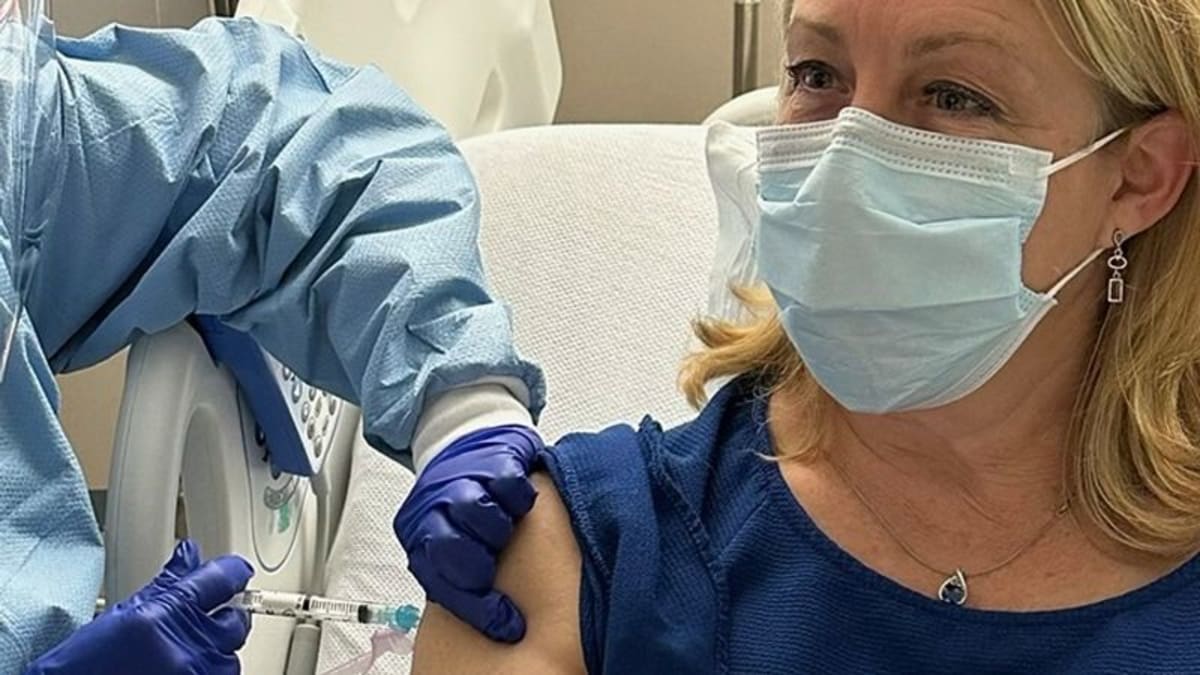
Nearly 20 years ago, a mother in her mid-40s discovered lumps in both breasts and faced a double mastectomy before she could catch her breath. Today, she's watching her children build careers and families, enjoying adventures from snorkeling to hiking around the world.
Her story reflects a medical revolution. In the 1970s, only 49 percent of cancer patients survived five years after diagnosis. That number has now climbed to 70 percent, giving 53 million people worldwide the gift of extra time.
Doctors increasingly treat cancer as a chronic disease that can be managed rather than a terminal diagnosis. Advances in treatment and earlier detection have transformed outcomes, particularly for older patients who make up the majority of cancer diagnoses.
Dr. Katherine De Azambuja, an Irvine geriatrician, sees this progress daily in her practice. She recently caught a patient's endometrial cancer recurrence early by noticing unusual lung sounds during a routine visit. The early detection made treatment possible before the patient even noticed symptoms.
Regular medical care makes these catches possible. De Azambuja points patients to family health centers offering sliding scale fees and social workers who help identify insurance options like Medi-Cal. These resources can mean the difference between catching cancer early and discovering it too late in an emergency room.
The journey isn't always smooth. Longer survival means some patients face new cancers or recurrences in older bodies already managing other conditions. Hormone blockers and other preventive treatments can bring difficult side effects, from hair loss to exhaustion.
Why This Inspires
Every cancer survivor's experience looks different. Some embrace the survivor identity with pink shirts and 5K races. Others find the label uncomfortable, even as they appreciate the second chances.
What unites them is resilience and the precious extra years they've gained. Vacations once postponed become immediate priorities. Time with family becomes more intentional. Career choices shift toward meaningful work.
The 53 million cancer survivors worldwide represent millions of graduations attended, marriages celebrated, and grandchildren welcomed that wouldn't have happened a generation ago. Each survivor carries their own complicated feelings about their journey, and that complexity is perfectly normal.
Access to quality care shouldn't depend on insurance status or income level. As more people survive cancer and live longer, ensuring everyone can benefit from early detection and regular monitoring becomes increasingly urgent.
From emergency diagnosis to decades of health, cancer survival keeps getting better.
More Images

Based on reporting by Google News - Cancer Survivor
This story was written by BrightWire based on verified news reports.
Spread the positivity!
Share this good news with someone who needs it