Cancer Survivor Lee Turner Fights for Rural Georgia Care
A childhood cancer survivor who lost his mother and grandmother to the disease is pushing Georgia lawmakers to close healthcare gaps that leave half a million residents without coverage. Lee Turner brought three powerful perspectives to the state capitol: survivor, caregiver, and bereaved family member.
Lee Turner knows cancer from every angle imaginable, and he's using that hard-won wisdom to change healthcare policy in Georgia.
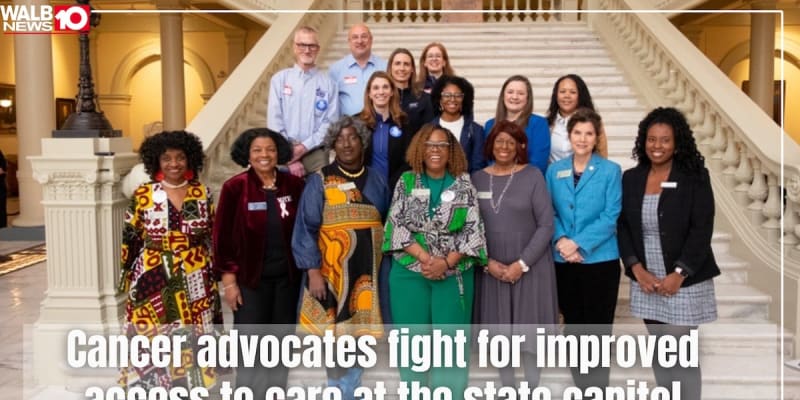
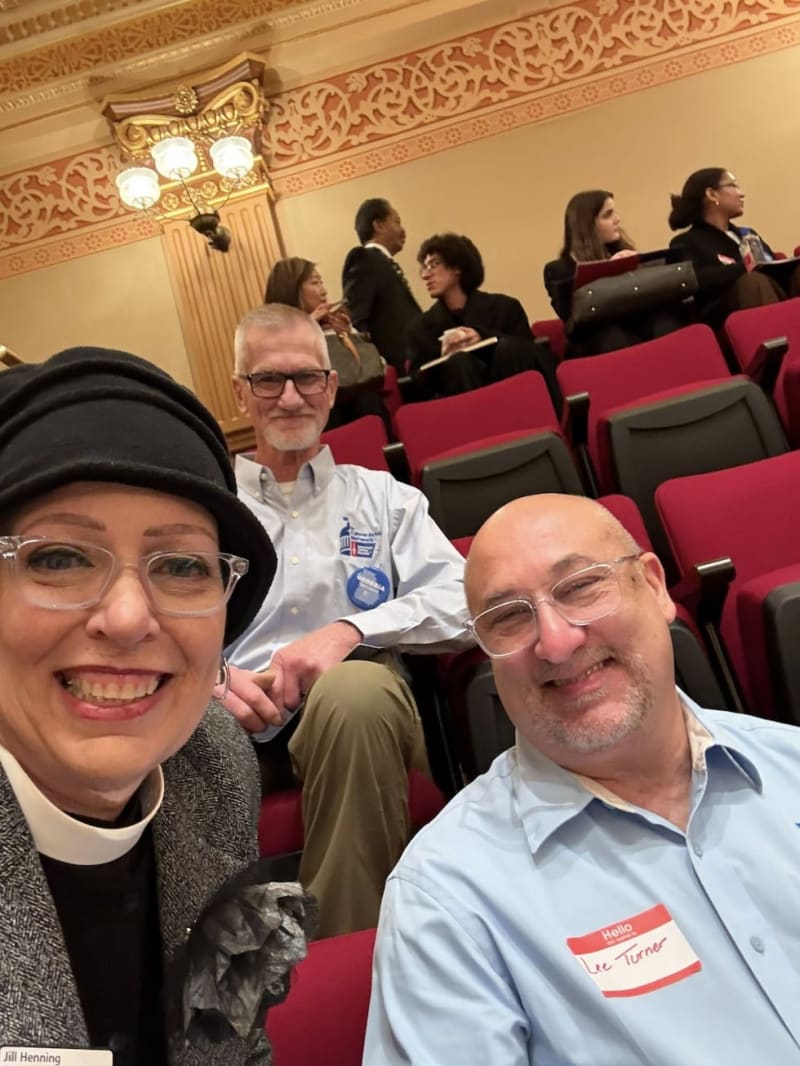
The Tifton native survived childhood cancer, cared for loved ones battling the disease, and mourned the loss of both his mother and grandmother to it. On February 4th, he joined fellow advocates at Georgia's state capitol for World Cancer Day, determined to improve access to care in rural communities where treatment options remain desperately limited.
Turner's triple perspective gives him unique credibility when speaking to lawmakers. "You as a survivor yourself, you know what you went through," he explained. "But then as a caregiver, they're there every day. They see the ups and downs, the goods and the bad. So with my experience, I've seen it all from all three perspectives."
The American Cancer Society Cancer Action Network brought advocates to the Gold Dome to push for three critical changes: expanded Medicaid, restored tobacco prevention funding, and increased tobacco taxes. These aren't abstract policy proposals. For rural Georgians facing cancer diagnoses, they represent the difference between accessible treatment and impossible choices.
The numbers tell a sobering story. Around 500,000 Georgians currently fall into the healthcare coverage gap, unable to afford insurance but ineligible for existing programs. With enhanced tax credits for Marketplace plans recently expiring, hundreds of thousands more residents now find themselves uninsured.
Fabienne Antoine-Nasser, government relations director for ACS CAN Georgia, emphasized the urgency. "We implore lawmakers to come together and find a bipartisan solution to close the coverage gap in Georgia," she said in a statement marking World Cancer Day.
The Ripple Effect
When rural communities gain better cancer care access, the benefits extend far beyond individual patients. Families avoid financial devastation from traveling hundreds of miles for treatment. Local economies strengthen when residents can work through recovery close to home. Early detection becomes possible when preventive care is affordable, dramatically improving survival rates.
Turner's advocacy represents a growing movement of survivors refusing to accept that zip codes should determine cancer outcomes. His voice carries the weight of lived experience that statistics alone cannot convey.
Georgia lawmakers received a clear message: closing healthcare gaps isn't political, it's personal. And people like Lee Turner won't stop fighting until every Georgian can access lifesaving care.
More Images
Based on reporting by Google News - Cancer Survivor
This story was written by BrightWire based on verified news reports.
Spread the positivity!
Share this good news with someone who needs it