Cancer Survivors Find Healing Through Collaborative Art
A Chicago program pairs cancer survivors with artists for six months to transform lived experiences into original artwork. The results are helping address the emotional toll of survivorship that medicine often overlooks.
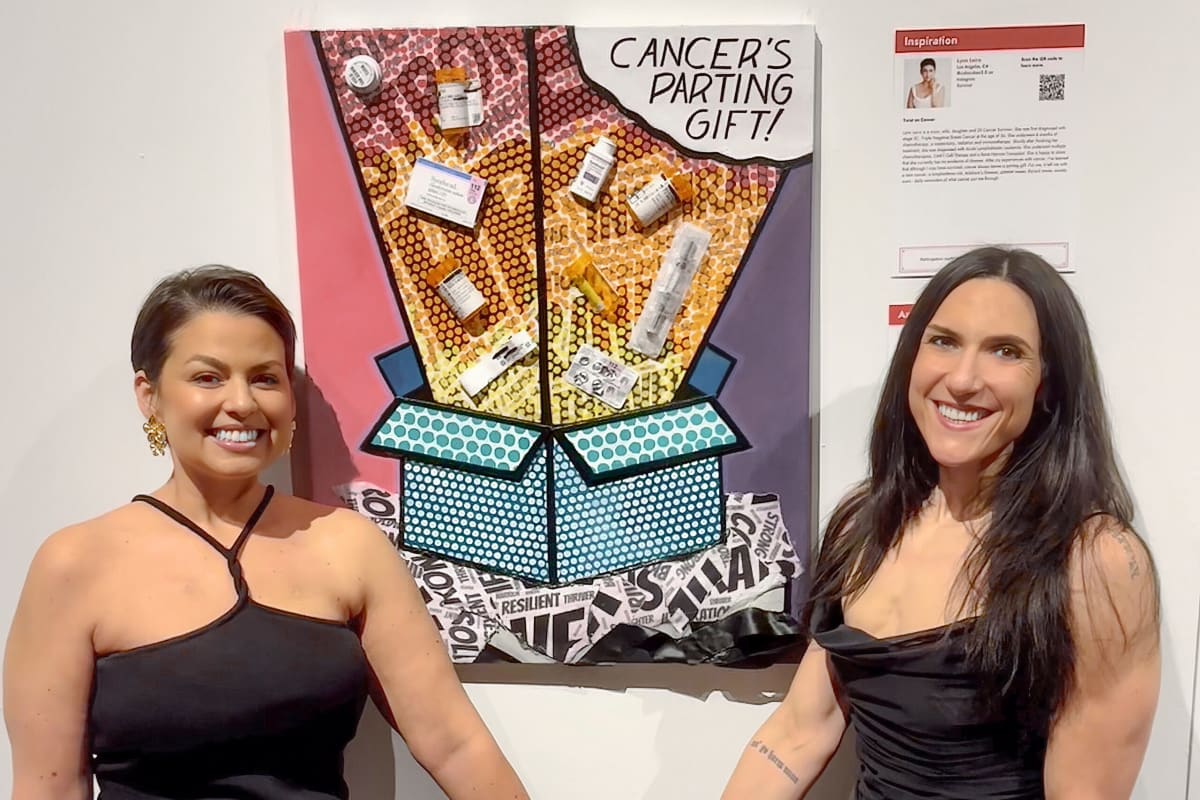
Lynn Leiro didn't expect art to change her perspective on surviving cancer twice. But standing in front of a mixed media painting depicting her daily medication routine, created by an artist who also survived two cancers, something shifted.
Leiro, 40, beat triple negative breast cancer and acute lymphoblastic leukemia. She joined Twist Out Cancer's Brushes with Cancer program after a friend suggested it might help her feel less alone.
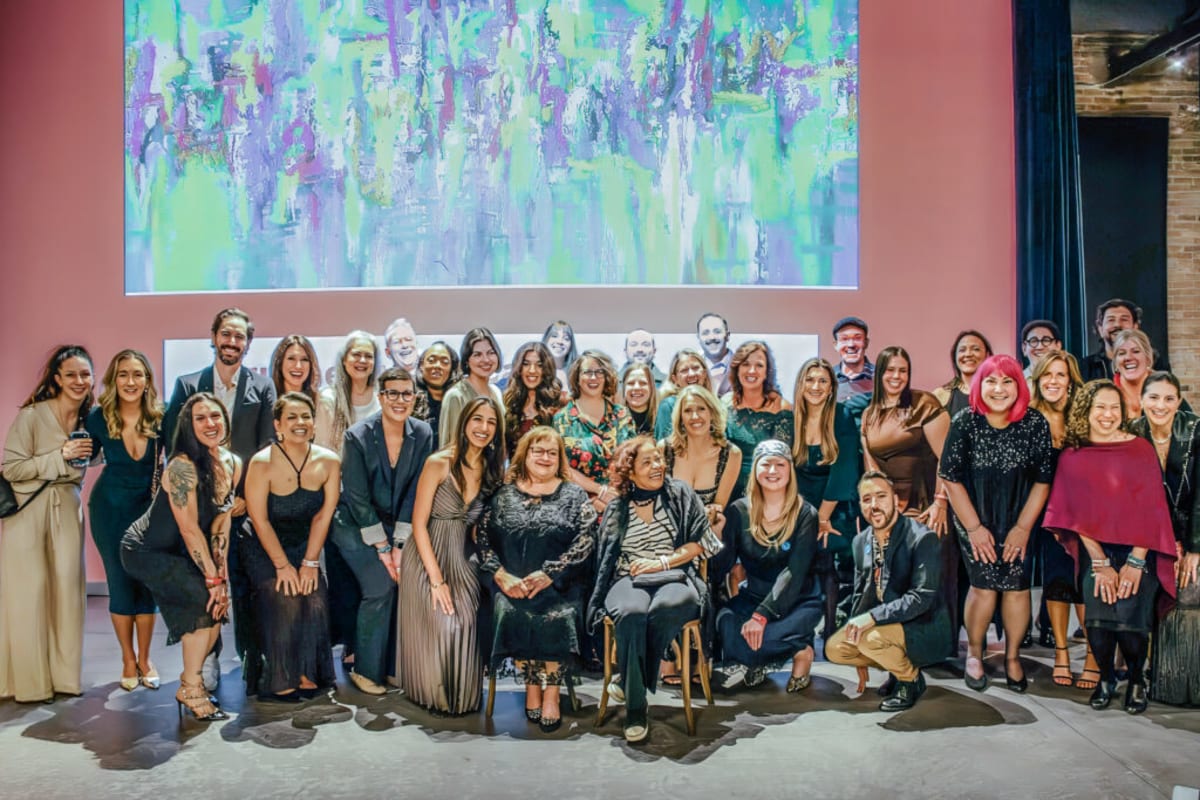
The program matches cancer survivors with professional artists for six months. Together, they create original works that honor what survivors have endured and overcome. The process culminates in public exhibitions where the art is displayed and shared.
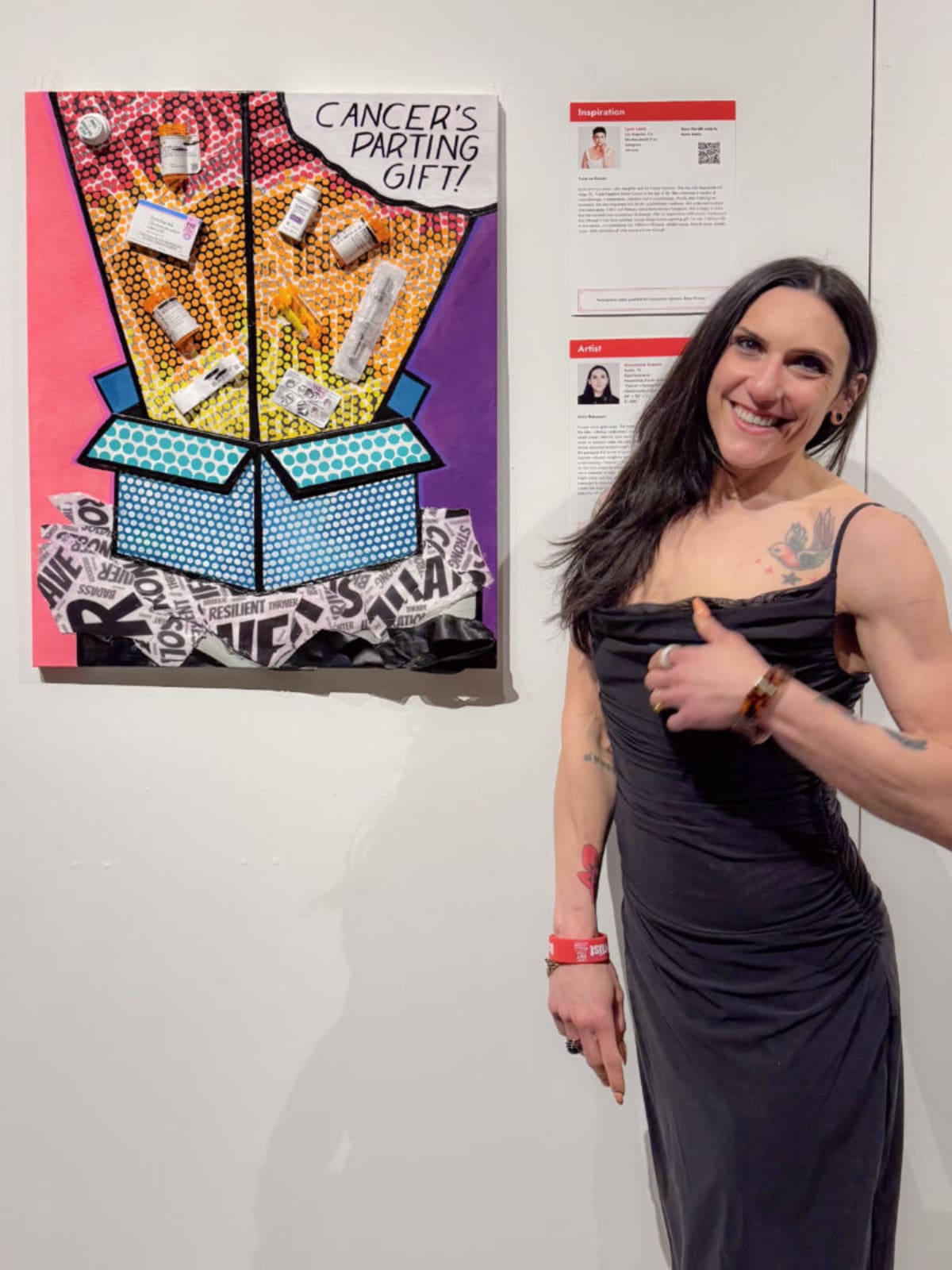
But the real transformation happens long before opening night. For Leiro, it came through months of conversations with her artist, Annamaria Scaccia, who also survived two cancers before turning 40.
The painting they created together, "Cancer's Painting Gift," centers on something most people wouldn't consider art-worthy: the daily medications both women must take for the rest of their lives. That shared reality became a bridge between strangers who understood each other instantly.
The Ripple Effect
More than 53 million cancer survivors live worldwide today, thanks to better detection and treatment. But research shows up to 65 percent experience social isolation after treatment ends, and nearly one-third report frequent loneliness.
Studies in multiple medical journals confirm what survivors already know: creative expression helps process trauma, reduce anxiety and depression, and rebuild identity after illness. A 2024 meta-analysis even linked loneliness in cancer survivors to higher mortality risks.
Younger survivors especially describe art as a way of being seen when words fail. The textured layers, bold colors, and symbolic elements speak truths that clinical language cannot capture.
Programs like Twist Out Cancer formalize this healing by creating structured partnerships that last long enough for real connection. Hundreds participate each year across multiple cities, transforming private pain into public witness.
"Community is the most important part of a survivor's success post-treatment," Leiro says. "Hearing everyone's stories through art was super impactful in a way that surprised me."
The finished artwork becomes proof that survival extends beyond the body. It encompasses the invisible losses, the medication routines, the changed relationships, and the gradual reconstruction of self.
Art doesn't cure cancer, but it addresses something medicine often misses: the need to be understood without explanation. For Leiro and thousands like her, that recognition becomes its own form of treatment.
More Images


Based on reporting by Google News - Cancer Survivor
This story was written by BrightWire based on verified news reports.
Spread the positivity!
Share this good news with someone who needs it