Cancer Survivors Get 6 Expert Tips for Returning to Work
As cancer survival rates soar, doctors are focusing on helping survivors navigate the often challenging transition back to normal life and work. An oncologist shares proven strategies to make the journey smoother and more hopeful.
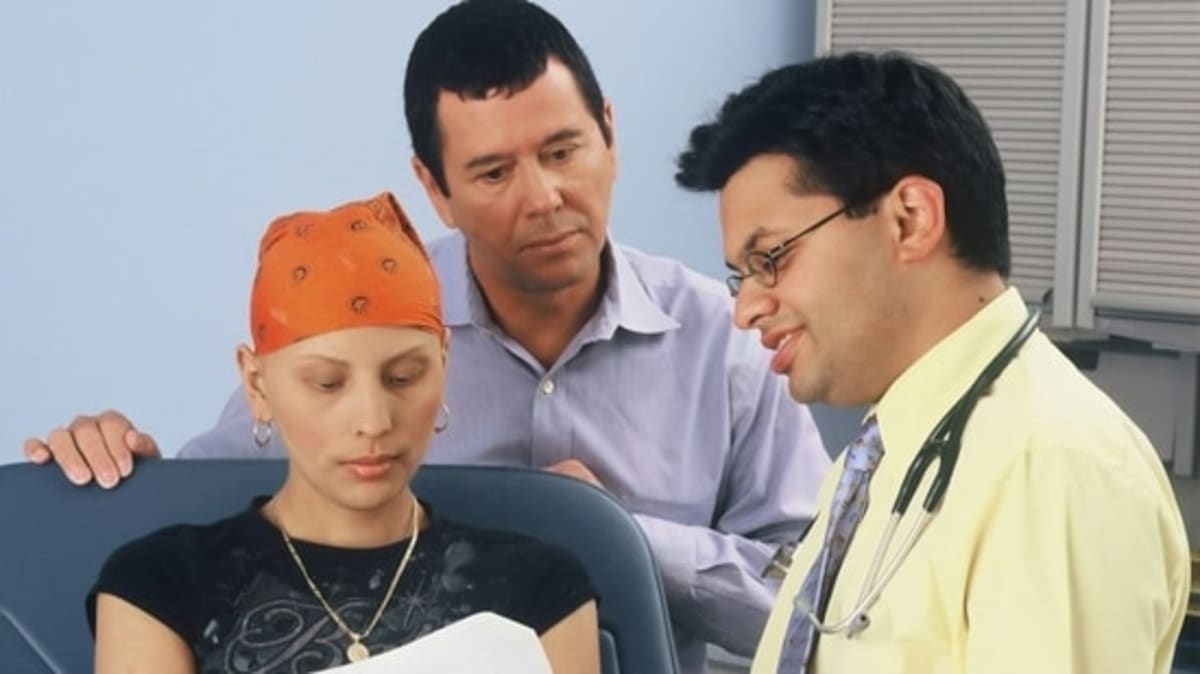
Nearly three out of four cancer survivors eventually return to work, marking a powerful milestone in reclaiming their lives after treatment ends.
Dr. Ankur Nandan Varshney, a senior medical oncologist at Medanta Hospital in Noida, India, is helping patients understand that finishing treatment is just one chapter in a longer story of recovery. As survival rates continue climbing, medical teams are shifting focus toward helping people not just survive cancer, but truly thrive afterward.
The transition back to work often brings unexpected hurdles. Up to 80 percent of patients experience significant fatigue during treatment, and about one-third continue feeling exhausted months or even years later. Many survivors also report "chemo brain," struggling with memory, concentration, and multitasking in ways they never did before.
Dr. Varshney emphasizes that recovery takes time, and setting realistic expectations is crucial. He recommends starting with reduced hours or lighter responsibilities before jumping back into full-time work. This gradual approach allows both body and mind to rebuild strength progressively.
Follow-up care remains essential even after treatment ends. These appointments aren't just about watching for cancer's return but also managing lingering side effects, addressing sleep problems, and tackling persistent pain or cognitive difficulties that can impact workplace performance.
Communication makes a meaningful difference too. While survivors don't need to share every medical detail, discussing practical limitations with employers helps create realistic expectations and necessary accommodations. Studies show that workplaces offering flexible schedules and supportive transitions significantly improve long-term employment outcomes for cancer survivors.
The Bright Side
Physical activity emerges as a game-changer for recovery. Regular exercise, even moderate activities like walking or yoga, has been shown to improve fatigue, boost mood, and enhance overall well-being among survivors. Combined with balanced nutrition, adequate sleep, and stress management, these lifestyle choices create a foundation for long-term health.
Emotional support through counseling, support groups, and survivorship programs helps people navigate the anxiety and uncertainty that often accompany returning to normal routines. Many survivors find strength in connecting with others who understand the unique challenges of life after cancer.
Dr. Varshney's message carries hope: completing cancer treatment represents a major achievement, and with the right support and strategies, survivors can confidently rebuild their careers and reclaim their daily lives.
More Images

Based on reporting by Google News - Cancer Survivor
This story was written by BrightWire based on verified news reports.
Spread the positivity!
Share this good news with someone who needs it