Cancer Survivors Name Fear of Recurrence as Top Challenge
Three out of four cancer survivors say fear of recurrence is their biggest emotional struggle, according to new audience data from the University of Miami. Experts point to better communication and mental health support as the path forward.
When cancer treatment ends, a hidden battle often begins.
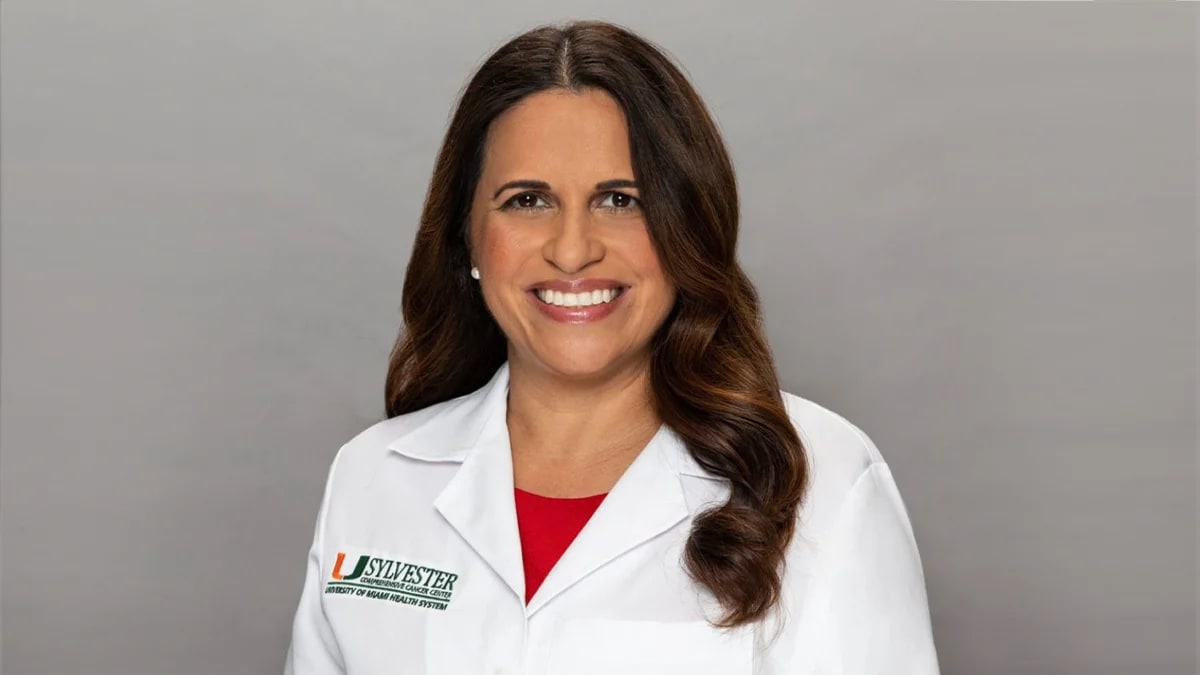
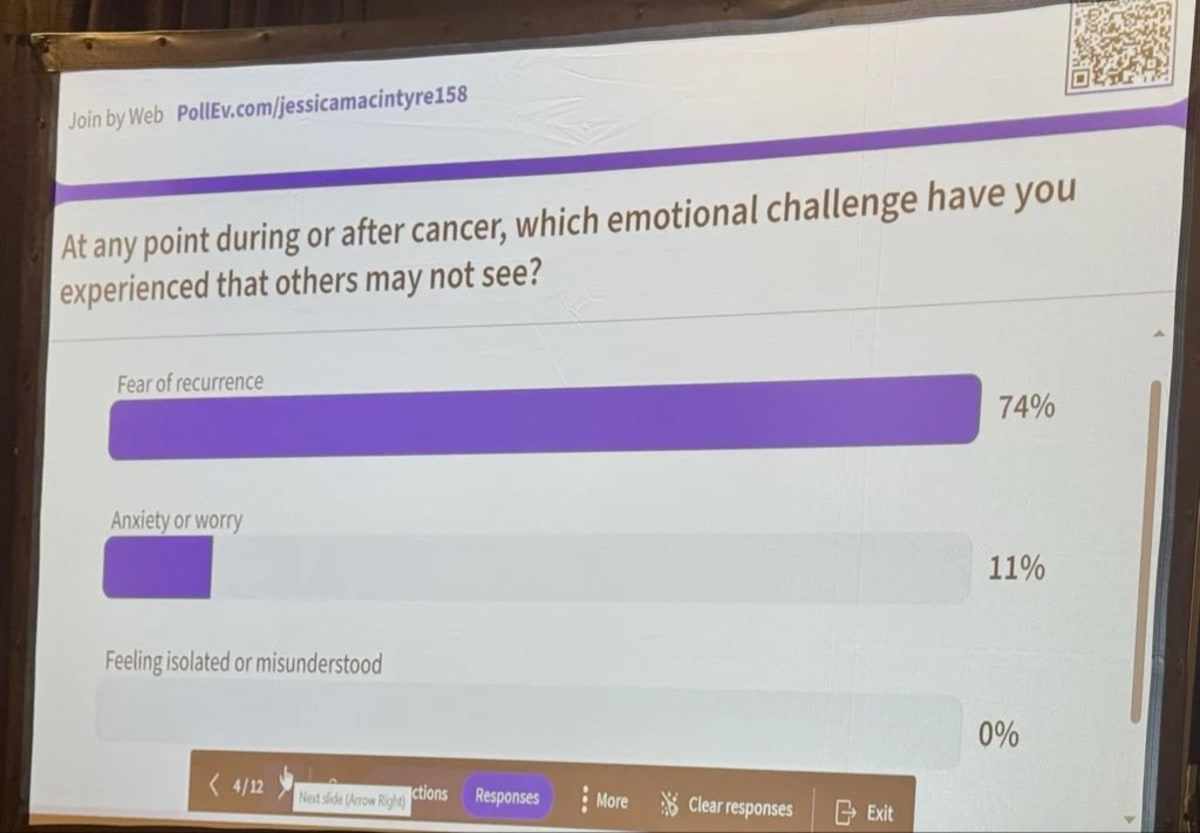
Estela Rodriguez, Associate Director of Community Outreach in Thoracic Oncology at the University of Miami's Sylvester Comprehensive Cancer Center, recently shared eye-opening findings from cancer survivors. When asked which emotional challenge others might not see, 74% pointed to the same answer: fear that cancer will come back.
The number reveals what doctors have long suspected but rarely measured. Survivors carry an invisible weight long after their final treatment, wondering if every ache or unusual feeling signals the return of their diagnosis.
Rodriguez works at one of the nation's leading cancer centers, where her team focuses specifically on connecting with patients beyond medical treatment. Her community outreach role puts her in direct contact with survivors navigating life after cancer.
The research question itself acknowledges an important truth: emotional challenges in cancer recovery often go unseen by family, friends, and even healthcare providers. Physical scars heal visibly, but psychological wounds remain hidden.
Why This Inspires
The power of this finding isn't just in the number. It's in what happens next.
Rodriguez and her team aren't simply documenting the problem. They're building solutions around three key pillars: more frequent testing to catch changes early, better communication between doctors and patients about realistic risks, and expanded mental health support specifically designed for survivors.
Mental health care for cancer patients has historically focused on active treatment periods. This data pushes the conversation forward, showing that survivors need ongoing psychological support just as much as they need follow-up scans.
By asking survivors directly about their experiences, the Sylvester team is ensuring that cancer care evolves based on patient voices rather than assumptions. That shift from doctor-centered to patient-centered care represents real progress in oncology.
The 74% statistic also does something powerful for individual survivors: it tells them they're not alone. Knowing that three out of four people share the same fear can transform an isolating experience into a common challenge with shared solutions.
Rodriguez's work helps bridge the gap between surviving cancer and truly living beyond it.
More Images



Based on reporting by Google News - Cancer Survivor
This story was written by BrightWire based on verified news reports.
Spread the positivity!
Share this good news with someone who needs it