Cancer Survivors Power Purdue's Research Breakthroughs
A leukemia survivor and a researcher who beat cancer are driving groundbreaking pediatric cancer research at Purdue University, inspired by beloved student Tyler Trent. Their work focuses on making treatments safer and more effective for kids fighting cancer.
Two cancer survivors are turning their personal battles into hope for thousands of children through groundbreaking research at Purdue University.
Andrew Kinder, a business senior at Purdue, and Professor Nathaniel Mabe have never met, but they share something powerful: they both survived cancer, and they're both inspired by Tyler Trent, the Purdue student whose brave fight against bone cancer touched millions before he passed away in 2018 at age 20.
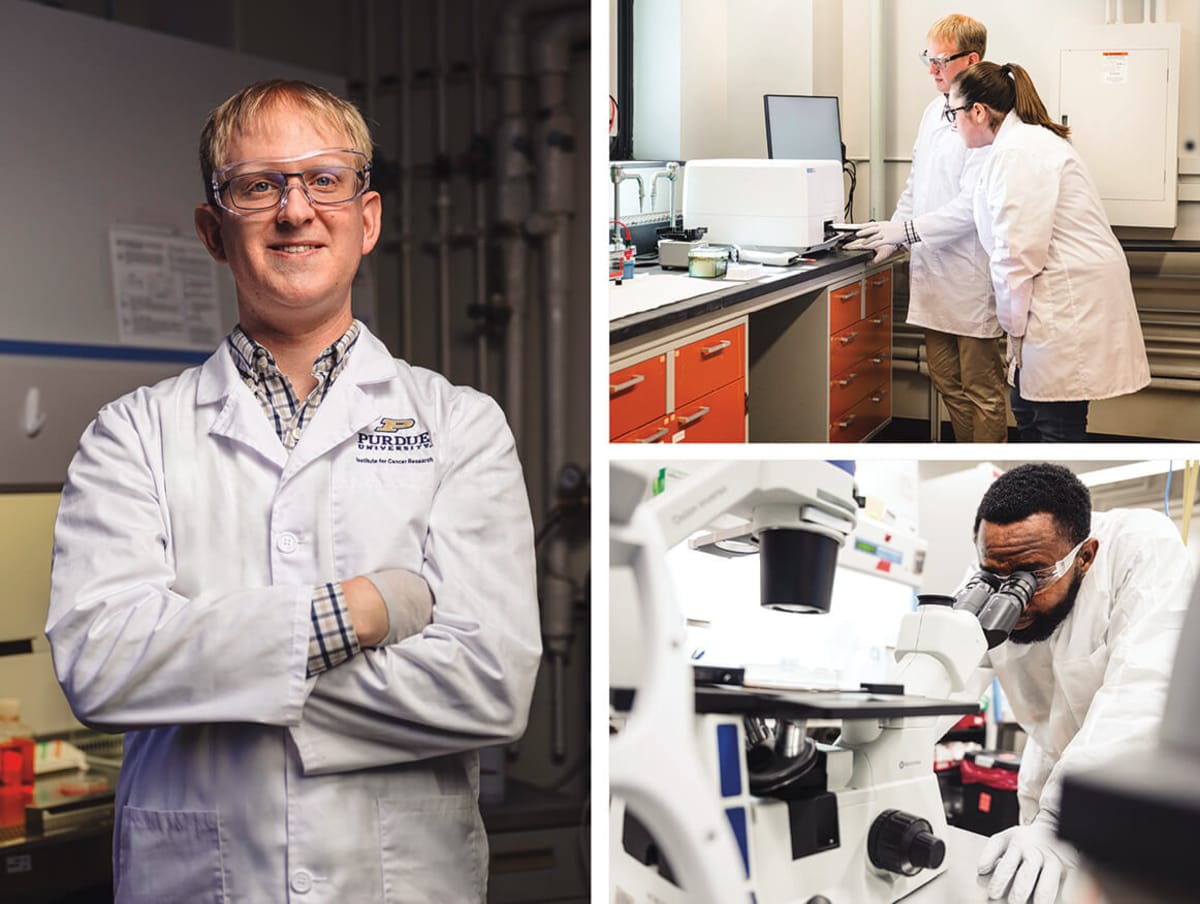
Mabe, now an assistant professor of medicinal chemistry, was watching ESPN's "College GameDay" in 2018 when he saw Trent's story. The moment changed his career path forever. "His story really spoke to me and was a motivating factor for why I wanted to go into pediatric cancer research," Mabe says.
Four years earlier, Mabe had faced his own cancer diagnosis at 24 while pursuing his PhD. The experience transformed his research focus from cardiovascular disease to finding better cancer treatments for everyone, especially children.
Today, Mabe works at the Tyler Trent Pediatric Cancer Research Center, studying neuroblastoma, a cancer affecting young children's nerve tissue. His approach targets how cancer cells develop, using drug therapies to stop them from growing while making treatments safer and easier for kids to tolerate.
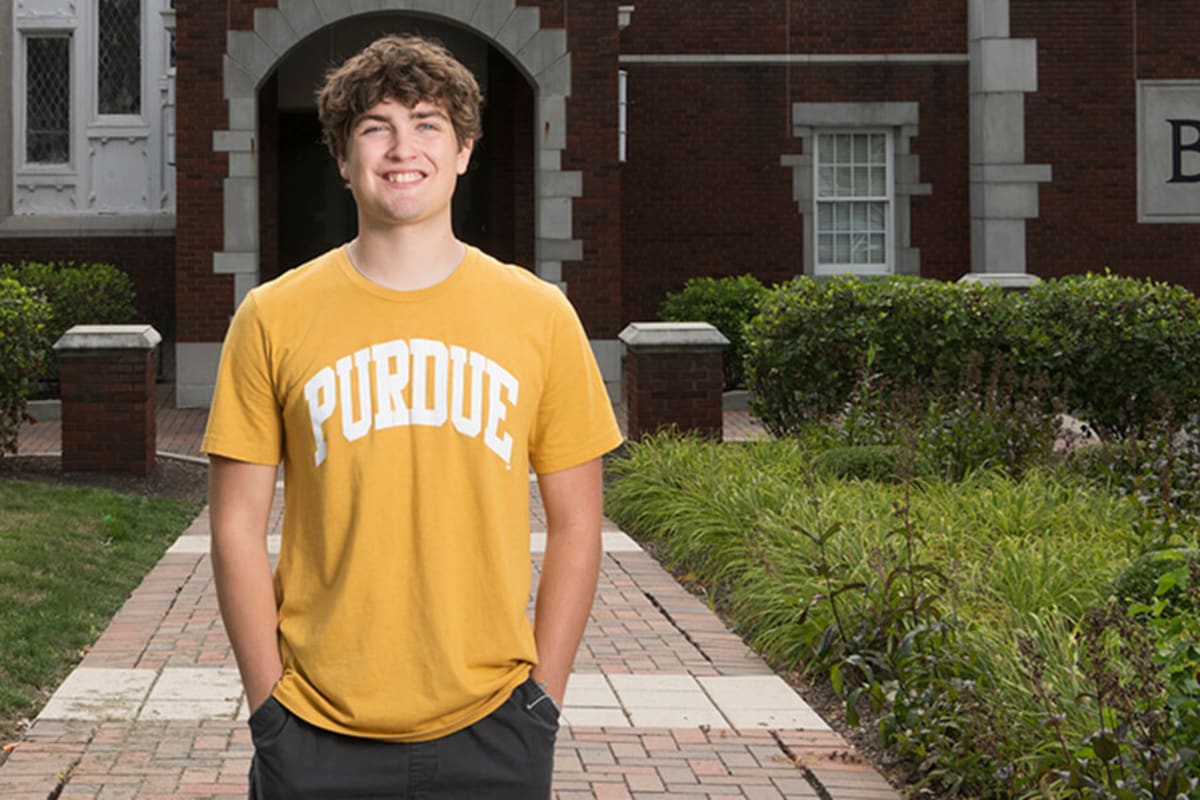
Kinder, who underwent oral chemotherapy as a Purdue freshman in 2021, found strength in Trent's legacy. "Tyler was exactly what a Boilermaker is. His mindset really is also something I look at as motivation," he says. He even attended the famous 2018 game where Trent made his last appearance at the stadium.
The research team is now collaborating with pharmaceutical companies and scientists nationwide to develop new drugs for neuroblastoma. They're moving toward clinical trials, bringing hope closer to reality for families facing this devastating diagnosis.
Why This Inspires
What makes this story remarkable isn't just the science, it's the human connection driving it forward. Mabe draws energy from patients like Kinder, while Kinder finds purpose in Trent's example of resilience. Each person in this chain of hope is paying forward the inspiration they received.
Mabe puts it simply: "Seeing their energy and commitment to the cause energizes us to work harder and to work smarter so that we can make as many differences as fast as we can." From one student's courage comes research that could save countless lives.
More Images

Based on reporting by Google News - Cancer Survivor
This story was written by BrightWire based on verified news reports.
Spread the positivity!
Share this good news with someone who needs it