Cancer Survivors Saving Lives in Uganda as Volunteers
Cancer survivors in Uganda are volunteering to guide patients through treatment, bringing hope to those who believe cancer means certain death. Their unpaid work is saving lives and money, yet recognition and compensation remain absent.
In Kampala, cancer survivors are doing something extraordinary: they're proving survival is possible simply by showing up.
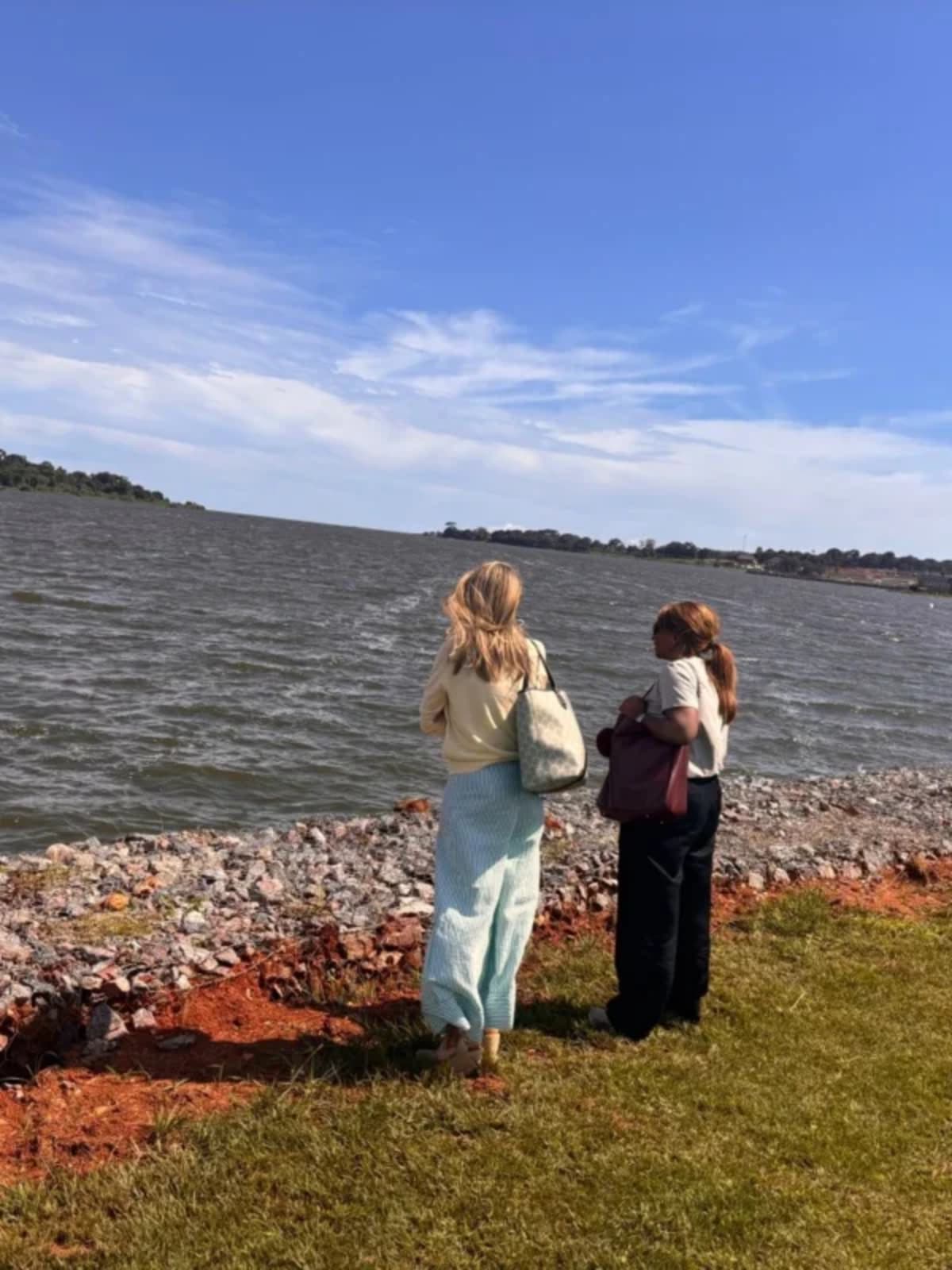
Isabel Mestres, CEO of City Cancer Challenge, recently met a woman who beat cancer and now volunteers full time to help other patients. This survivor guides newly diagnosed people through Uganda's complicated healthcare system, helps with childcare, and most importantly, offers living proof that cancer doesn't have to mean death.
In Uganda and many cities across the world, cancer still carries devastating stigma. Patients face fear, abandonment, and crushing financial burdens. Many give up before treatment even begins because hope feels impossible to find.
That's exactly what makes these survivors so powerful. They don't just offer advice or logistical support. They walk into rooms filled with fear and transform them simply by being alive.
These volunteers reduce treatment delays by helping patients navigate the system faster. They prevent people from dropping out mid-treatment by providing emotional support when despair hits hardest. They improve the entire patient experience by serving as living roadmaps through an overwhelming journey.
The work even saves healthcare systems money by keeping patients engaged and reducing emergency interventions. Yet despite these measurable impacts, survivor volunteers remain almost entirely unpaid.
The Ripple Effect
What starts as one survivor helping one patient creates waves throughout entire communities. When cancer patients see someone who looks like them, who faced the same diagnosis in the same city, survival stops being abstract. It becomes real.
These volunteers are rewriting cancer's story in places where the disease has long been considered a death sentence. They're building networks of hope one conversation at a time. Their presence in hospitals and clinics sends a message that travels far beyond individual patients, reaching families, neighbors, and future patients who haven't been diagnosed yet.
The question Mestres raises matters: why does work this valuable remain unpaid? These survivors are delivering one of cancer care's most powerful interventions, yet their contribution goes largely unrecognized by formal healthcare systems.
Sometimes the most effective medicine isn't a drug or procedure but something simpler: hope, delivered by someone who survived what you're facing.
More Images



Based on reporting by Google News - Cancer Survivor
This story was written by BrightWire based on verified news reports.
Spread the positivity!
Share this good news with someone who needs it