Cancer Test Uses Physics to Spot Aggressive Cells Fast
Scientists in Jerusalem developed a simple surface that identifies dangerous cancer cells by watching how they grip and move, not by analyzing genes. The breakthrough could make cancer screening faster, cheaper, and more accurate.
Scientists just discovered that aggressive cancer cells reveal themselves through their physical behavior, opening a completely new path for faster cancer detection.
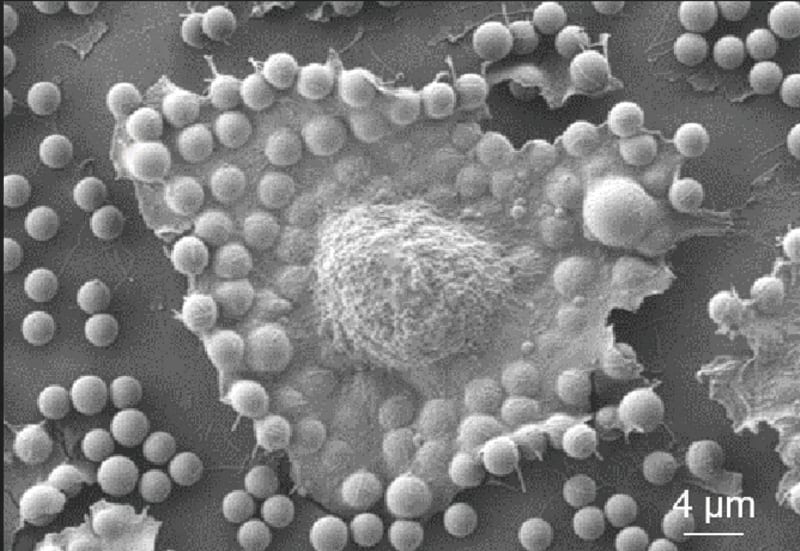
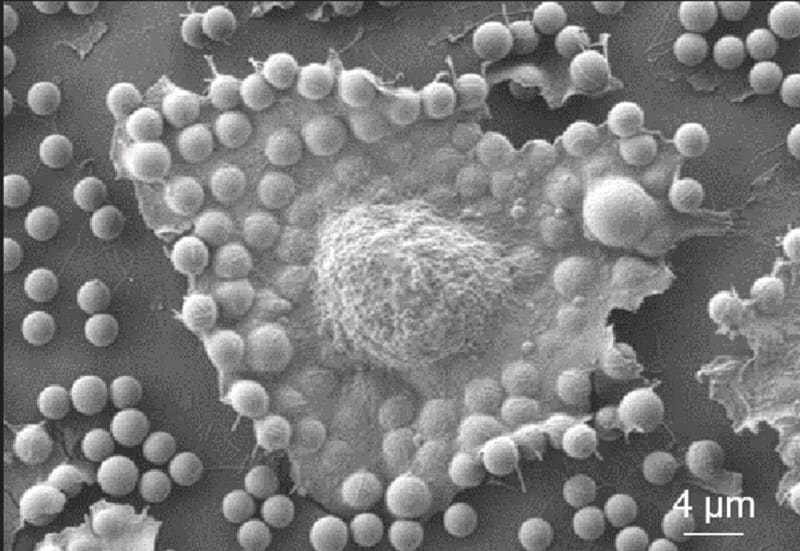
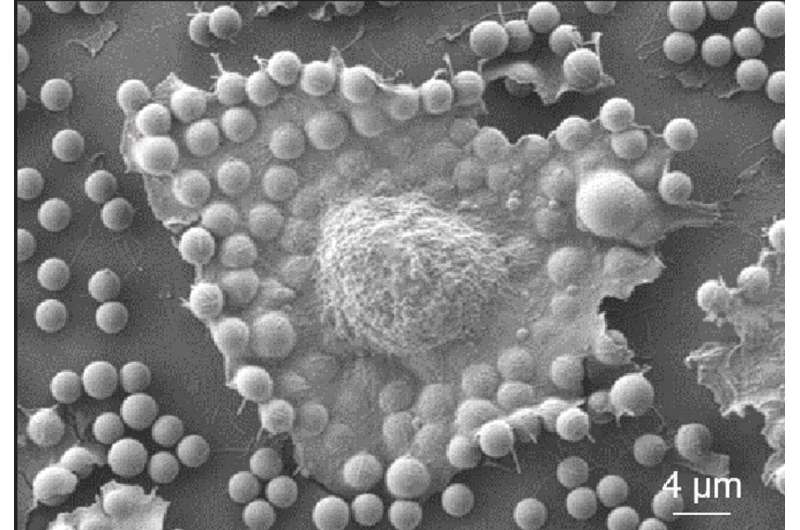
Researchers at Hebrew University of Jerusalem created textured surfaces covered in microscopic beads thousands of times smaller than a grain of sand. When cancer cells land on these surfaces, the dangerous ones betray themselves by gripping harder, stretching further, and wrapping around the tiny features.
PhD student Chalom Zemmour led the research under Professor Ofra Benny's guidance at the university's School of Pharmacy. Their study, published in Materials Today Bio, shows that less aggressive cells behave completely differently on the same surface, even though these differences are invisible on ordinary lab equipment.
The method works without expensive genetic testing, chemical dyes, or complex molecular analysis. Doctors currently rely on genetic tests to classify cancer cells, but these approaches take time, cost money, and sometimes miss how truly dangerous a cell might be.
The team also uncovered something surprising about how cancer spreads. Their special surfaces revealed that cancer cells temporarily lose their strong grip when leaving the original tumor, possibly helping them travel through the bloodstream to new locations. Once they arrive at a distant site, they regain their aggressive gripping behavior and settle in.
"This tells us that aggressiveness is not a fixed trait," Professor Benny explains. "It's a functional state that can be revealed through physical behavior, not just molecular signatures."
Why This Inspires
This discovery represents a fundamental shift in how we understand cancer. For years, researchers focused almost entirely on what molecules cancer cells produce. Now we know that watching how cells push, pull, and grip their surroundings tells an equally important story.
The beauty lies in the simplicity. These textured surfaces can be made using standard laboratory techniques already available in research and clinical labs worldwide. No specialized equipment needed. No expensive reagents required.
The technology could eventually help doctors screen cancer aggressiveness quickly, test how well treatments work, and personalize cancer care based on how individual tumor cells behave. Researchers can already use it to study metastasis and tumor progression in ways that weren't possible before.
The implications extend beyond diagnosis. Understanding that cancer cells change their physical behavior as they spread could lead to new drugs that target these mechanical properties, not just genetic mutations.
Professor Benny's team proved that sometimes the most powerful breakthroughs come from asking different questions, and this simple surface might change how we fight cancer forever.
More Images
Based on reporting by Phys.org
This story was written by BrightWire based on verified news reports.
Spread the positivity!
Share this good news with someone who needs it