
Cannabis Compounds Reduce Liver Fat in New Study
Scientists in Jerusalem discovered two non-psychoactive cannabis compounds dramatically reduced liver fat in lab studies, offering hope for the one-third of adults worldwide living with the most common chronic liver disease. The breakthrough could lead to new treatments for a condition with few approved medications.
Scientists may have found a surprising ally in the fight against the world's most common chronic liver disease, and it comes from the cannabis plant.
Researchers at Hebrew University of Jerusalem discovered that two cannabis compounds, CBD and CBG, significantly reduced liver fat and improved metabolic health in laboratory studies. The findings were published in the British Journal of Pharmacology.
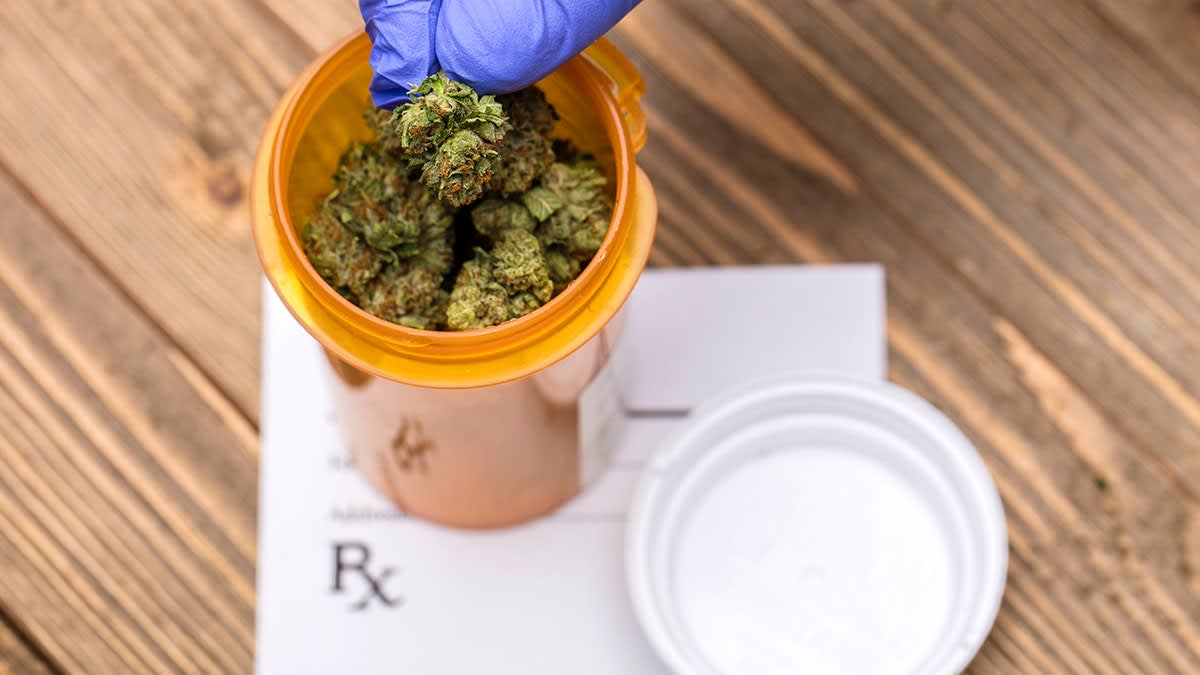
These aren't the compounds that produce a high. CBD and CBG are non-intoxicating cannabinoids that offer therapeutic benefits without psychoactive effects, making them potentially suitable for long-term medical use.
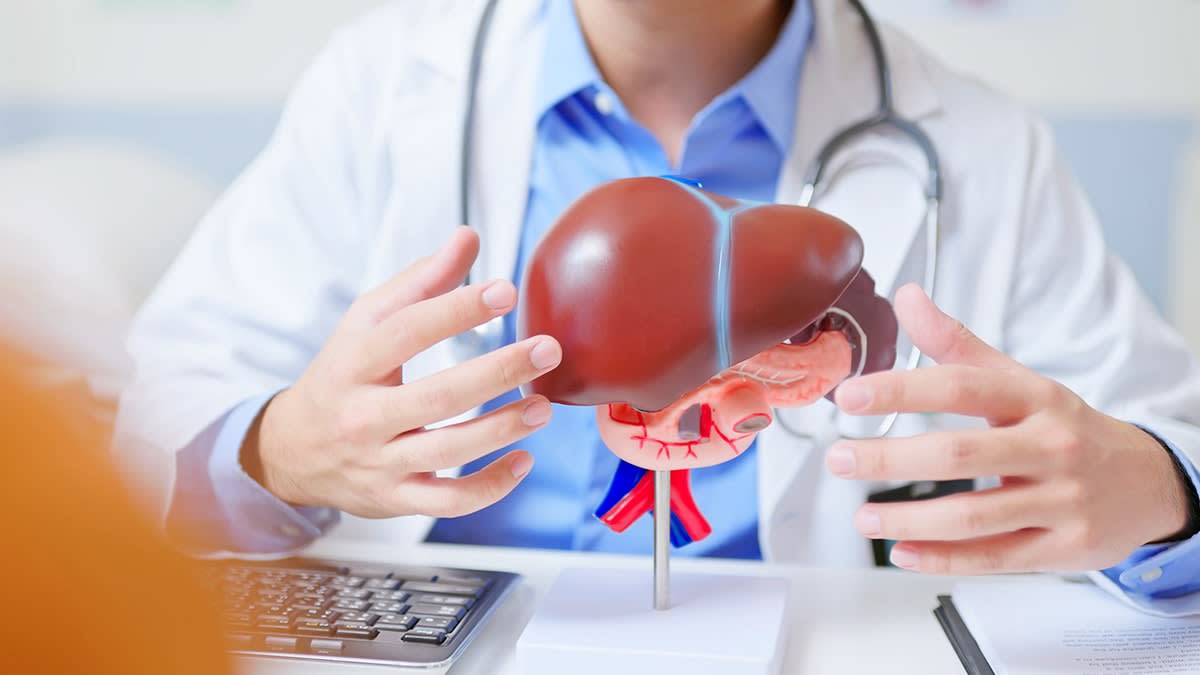
The research matters because it targets metabolic dysfunction-associated steatotic liver disease, a condition affecting approximately one-third of adults globally. This liver disease is closely linked to obesity and insulin resistance, yet patients have few approved pharmaceutical treatments available.
The study revealed something unexpected: the compounds created what researchers call a "backup battery" for the liver. They increased levels of phosphocreatine, a high-energy molecule typically stored in muscle cells, helping the organ function under the stress of a high-fat diet.
The cannabis compounds also restored "cellular cleaning crews" called cathepsins. These enzymes work within cells to break down harmful fats and waste, helping the liver clear out dangerous lipids that trigger inflammation.
Lead researcher Joseph Tam, director of the Multidisciplinary Center for Cannabinoid Research at Hebrew University, said the findings identify a new mechanism by which these compounds enhance liver energy and function. While both CBD and CBG proved effective, CBG showed stronger results in reducing total body fat, lowering bad cholesterol, and improving insulin sensitivity.
The Bright Side
This discovery represents a shift in how scientists understand the liver's resilience. The identification of a phosphocreatine backup system opens new possibilities for plant-based treatments of metabolic diseases.
The research team emphasized that their work was conducted in controlled laboratory conditions. Clinical trials with human patients are the necessary next step to determine proper medical applications and dosing.
The findings offer a promising new direction for millions of people struggling with a condition where lifestyle changes alone often fall short.
More Images


Based on reporting by Fox News Latest Headlines (all sections)
This story was written by BrightWire based on verified news reports.
Spread the positivity!
Share this good news with someone who needs it

%3Amax_bytes(150000)%3Astrip_icc()%3Afocal(999x0%3A1001x2)%2Fmichael-j-fox-1-16107b4a149a485e83a78fedd03d5096.jpg)