Can't Picture Things in Your Mind? You May Have Aphantasia
Millions of people can't visualize images in their mind at all, and many don't realize it's unusual. A fascinating TED talk is helping people discover aphantasia and understand how differently our brains work.
Imagine a rocket ship crash-landing on an alien planet. Can you see it in your mind's eye? For Alex Rosenthal and millions of others, the answer is simple: they see nothing at all.
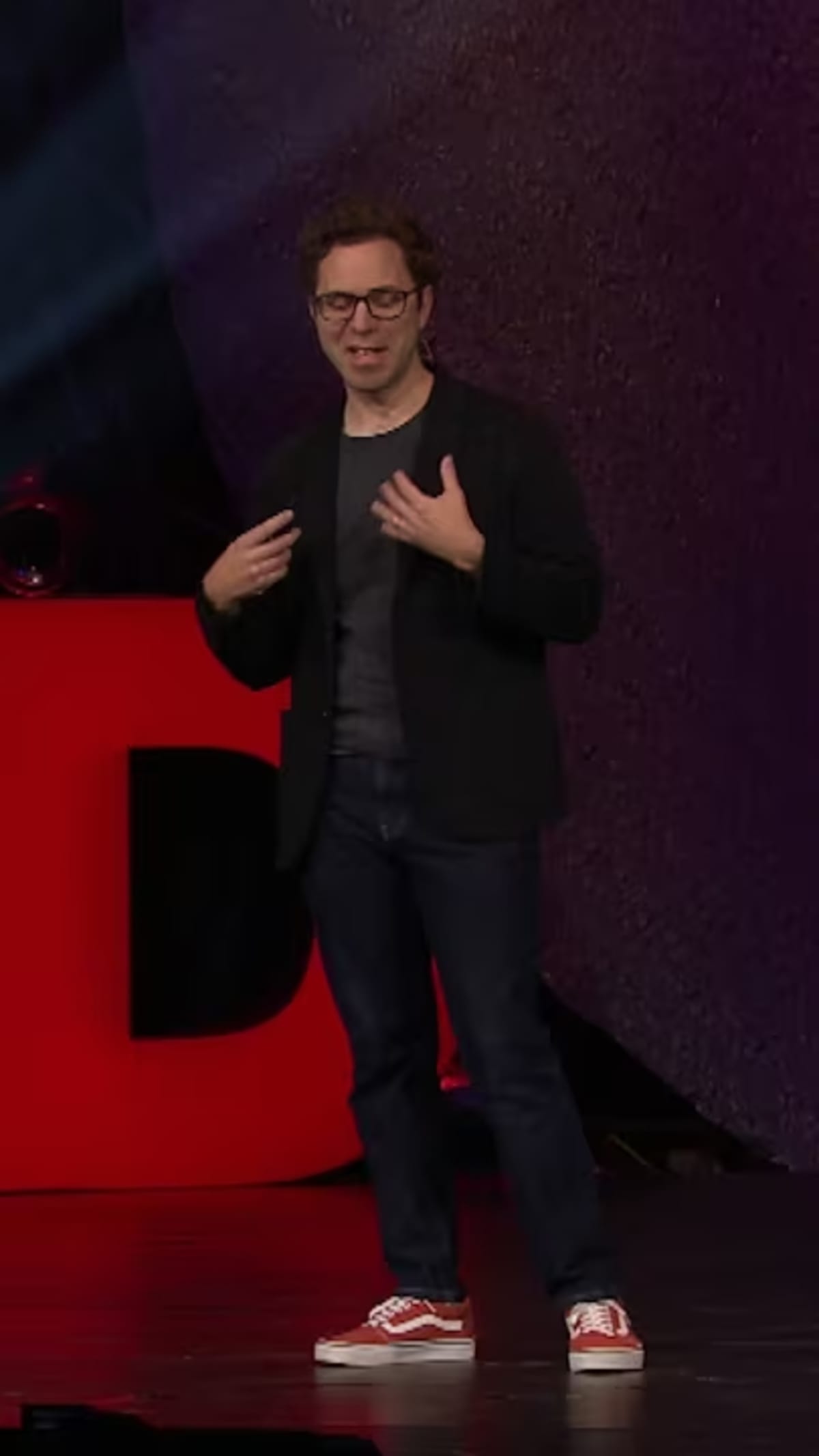
Rosenthal recently gave a TED talk exploring aphantasia, the inability to generate mental images. When asked to picture something, people with aphantasia experience only darkness or abstract concepts, never actual visual imagery.
The condition affects an estimated 1 to 5 percent of the population. Many people with aphantasia don't realize they have it until adulthood because they assume everyone experiences thoughts the same way.
Rosenthal's presentation walks viewers through a simple test. He asks people to imagine familiar scenes and rate how vividly they can see them. While some people report cinema-quality mental images, others report absolutely nothing.
The talk has resonated deeply with viewers, racking up thousands of views in just hours. Comment sections fill with people sharing their "aha" moments, finally understanding why they struggled with certain tasks or thought processes throughout their lives.
Why This Inspires
This story matters because it reveals how beautifully diverse human minds really are. What seems universal turns out to be wonderfully varied.
Rosenthal's work helps people with aphantasia feel less alone. It also reminds everyone that our internal experiences differ far more than we realize, encouraging empathy and curiosity about how others think.
Scientists are still studying aphantasia, exploring how people without mental imagery navigate memory, creativity, and imagination. Some people with the condition report excelling in abstract thinking or verbal skills, suggesting the brain finds alternative pathways.
The conversation around aphantasia opens doors to understanding neurodiversity more broadly. It challenges assumptions about "normal" brain function and celebrates the spectrum of human cognition.
For those wondering if they have aphantasia, Rosenthal's talk offers both answers and community. Understanding your own mind, however it works, is genuinely empowering.
This growing awareness transforms what could feel like a limitation into simply another way of experiencing the world.
Based on reporting by TED
This story was written by BrightWire based on verified news reports.
Spread the positivity!
Share this good news with someone who needs it