Cape Breton Powwow Helps Heal Colonial Wounds
The Elizabeth Fry Society of Cape Breton hosted its second annual Reconciliation Powwow, bringing together dozens of dancers and supporters to answer the Truth and Reconciliation Commission's calls to action. The event celebrates a decade of progress while tackling the over-representation of Indigenous women in Canada's justice system.
Thirteen-year-old Averyanna Bernard's shawl became a whirl of color and motion as she danced at a powwow with a powerful purpose: healing the wounds of Canada's colonial past.
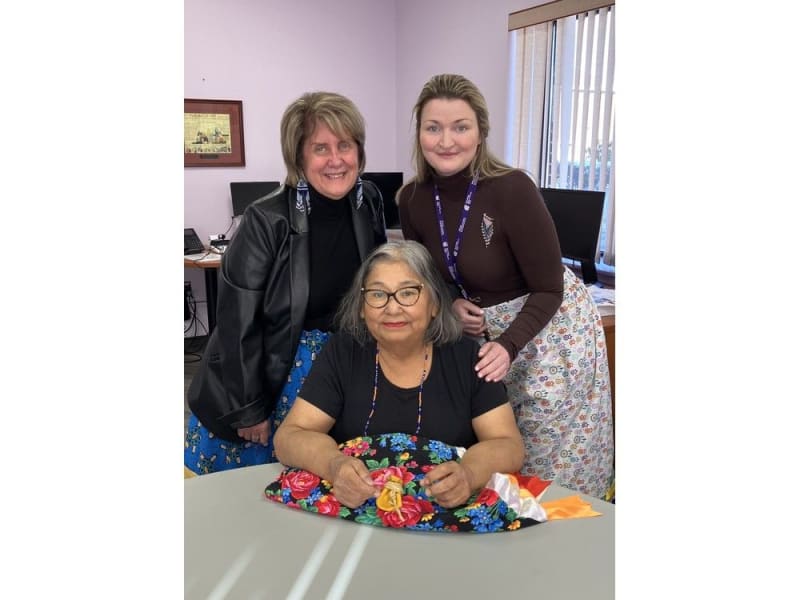
The Elizabeth Fry Society of Cape Breton hosted its second annual Reconciliation Mawio'mi last week, drawing several dozen dancers and supporters to their Sydney offices. The gathering marks ten years since the Truth and Reconciliation Commission released its 94 calls to action, challenging all Canadians to build bridges with Indigenous communities.
"This Mawio'mi is our way of showing our allyship," said Julie Kendall, co-executive director of the organization. "It's more than just lip service for us."
The Elizabeth Fry Society focuses on helping criminalized women and gender diverse people, many of whom face poverty, addiction, and mental health challenges. For Indigenous women, these struggles often trace back to the lasting impacts of colonialism.
Co-executive director Darlene MacEachern sees this connection daily. "We see the impact of colonialism and the over-representation of Indigenous people in the federal prison system," she said. One of the commission's key goals is reducing those numbers.
MacEachern reframes how we think about the issue entirely. Rather than women being "in conflict with the law," she says "the law is in conflict with the women."
The organization partners with groups like the Mi'kmaq Legal Support Network and the Jane Paul Centre to provide culturally appropriate programs both inside federal prisons and in communities. They recently hired elder Heidi Marshall, a Mi'kmaw lawyer, as a knowledge keeper to deepen their commitment.
The Ripple Effect
Young dancers like thirteen-year-old Patience Augustine-Doucette and three-month-old Clark Pierro (attending his first powwow in his godfather's arms) show how reconciliation reaches across generations. Lawrence Herney danced wearing his late father's regalia shirt, honoring ancestors while building a better future.
The event grew so much from last year that organizers are already planning to find a larger venue for next year's gathering. Membertou's Jeff Ward emceed the celebration, which included traditional dancing, food, and genuine connection between Indigenous and non-Indigenous community members.
Board president Alison Aho-Paul, a criminal lawyer with Nova Scotia Legal Aid, says these gatherings transform words into action. By creating space for Indigenous culture and acknowledging historical wrongs, the organization models what real reconciliation looks like.
Every dancer, every shared meal, every conversation at the powwow becomes a step toward healing trauma that spans generations and building a justice system that works for everyone.
More Images



Based on reporting by Google News - Reconciliation
This story was written by BrightWire based on verified news reports.
Spread the positivity!
Share this good news with someone who needs it