Cape Cod Oyster Farms Clean Water, Save Towns Millions
A small Massachusetts town discovered that oyster farming removes as much nitrogen pollution as million-dollar septic systems, all while creating jobs and generating revenue. Now Falmouth is expanding its shellfish farms from 30 to 140 acres, proving nature can be the most cost-effective cleanup crew.
📺 Watch the full story above
Falmouth, Massachusetts found an unlikely solution to its water pollution crisis swimming in its own backyard: oysters.
The Cape Cod town faced federal pressure to remove excess nitrogen from its estuaries under the Clean Water Act. Traditional fixes like advanced septic systems would cost millions. Then marine scientists calculated something remarkable: shellfish farms could do the same work for a fraction of the price.
The numbers tell an incredible story. Between 2021 and 2024, oyster farms in Eel River removed as much nitrogen as 26 single-family homes produce. Removing that same amount through high-tech septic systems would cost $1.17 million. The oyster solution? Just a few thousand dollars in startup costs.
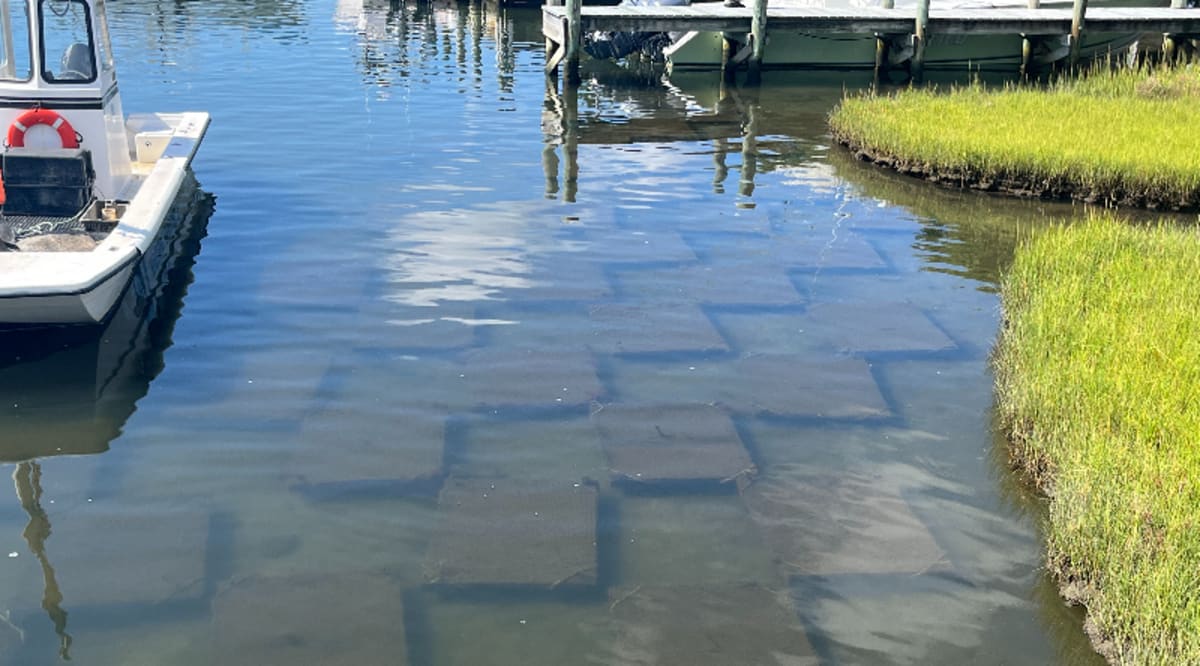
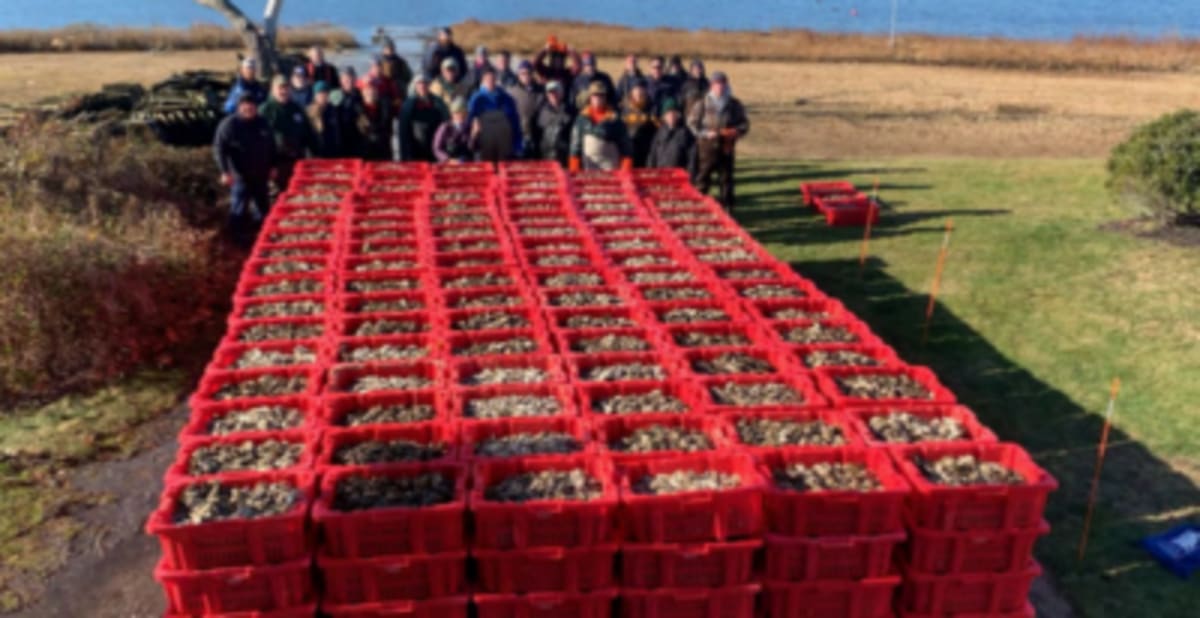
Falmouth's Water Quality Management Committee saw the potential immediately. They developed a Rotational Aquaculture Plan that allowed both private and municipal shellfish farms to expand across the town's waterways. By 2025, the program was producing 1.3 million oysters annually across farms scattered throughout Eel River, Seapit River, and other local waters.
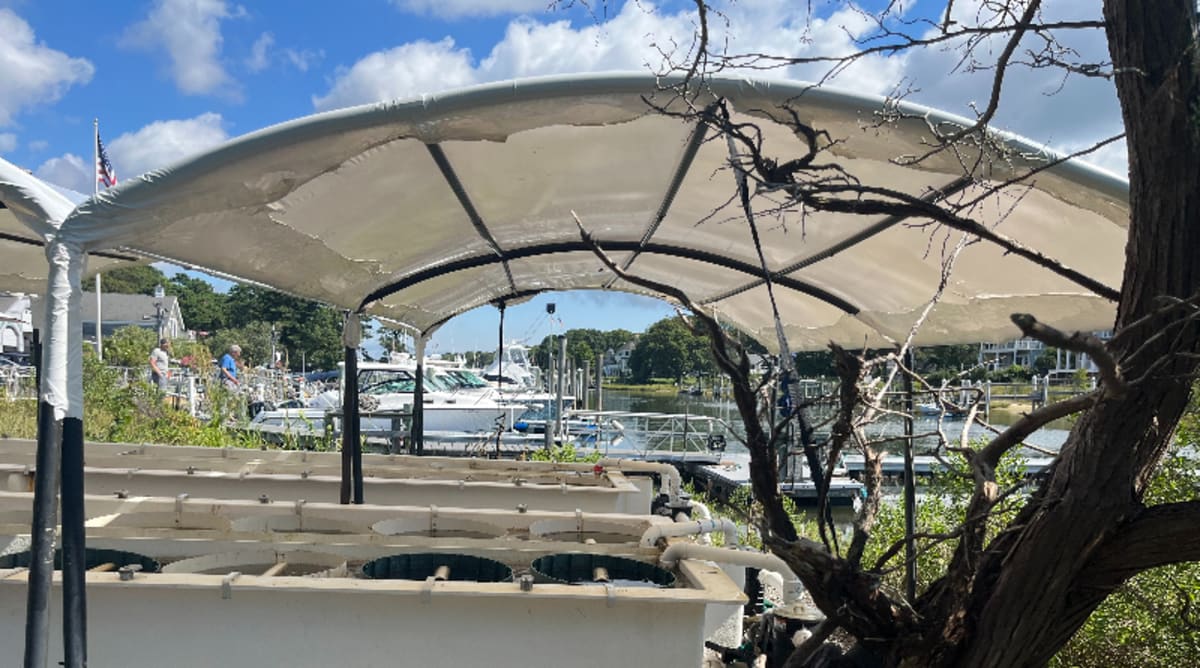
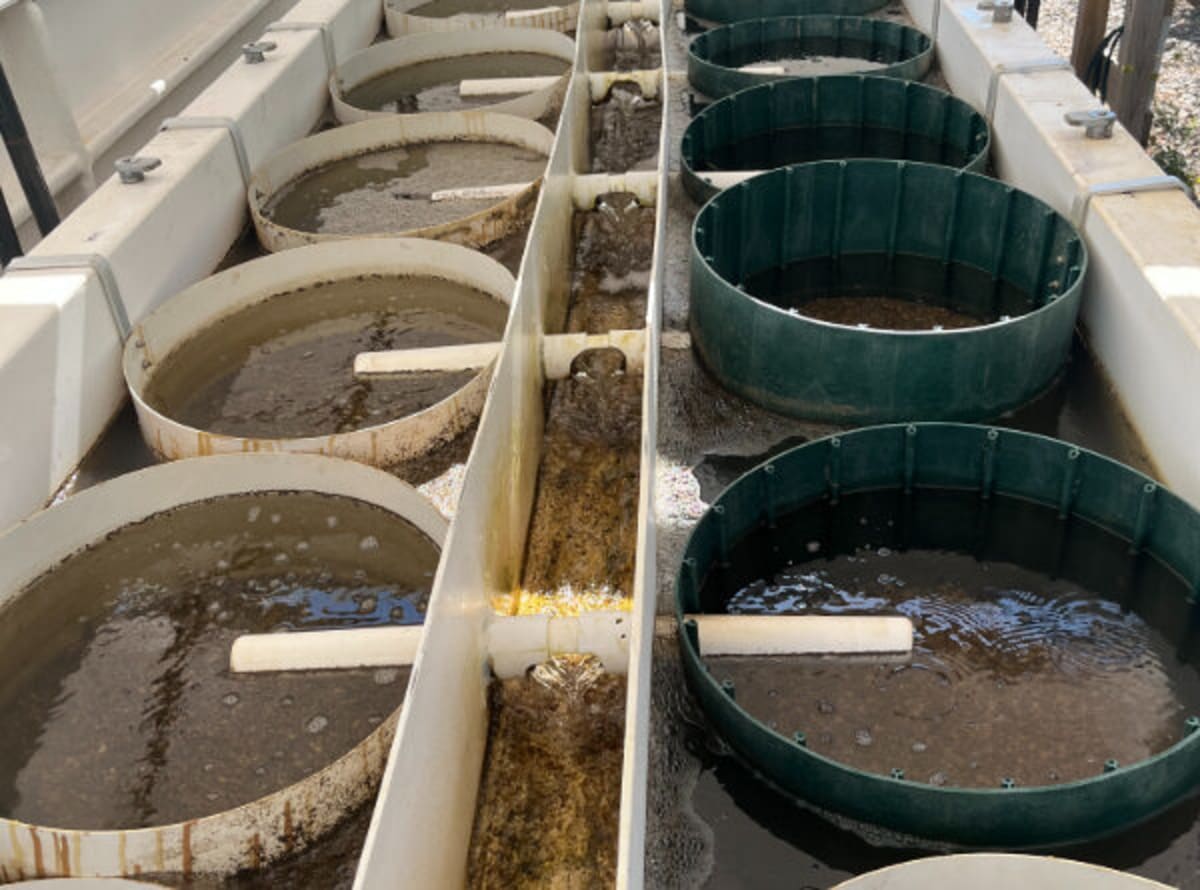
The financial model works beautifully for everyone involved. Each farm pays the town roughly $19,600 in leasing fees annually. Growers can also rent growing equipment like shellfish bags and floats from the municipality. When the oysters mature, farmers sell them to market and pocket the profits.
Meanwhile, the town deposits lease revenue into a revolving account used to purchase new shellfish seeds. The system pays for itself while simultaneously cleaning the water.
A mapping tool called MA-ShellfAST helped make expansion possible. Supported by NOAA Sea Grant, the online platform uses geographic information systems to show potential farmers the best locations for new operations. It displays environmental conditions, legal restrictions, and municipal data in easy-to-understand map layers.
The technology helped Falmouth identify sites that could more than quadruple its aquaculture footprint, expanding from 30 acres to potentially 140 acres. Deputy Director R. Charles Martinsen III told the Water Quality Management Committee the growth would dramatically increase the town's nitrogen-removal capacity.
The Ripple Effect
Falmouth's success is creating waves across Massachusetts. Several other coastal municipalities now include shellfish aquaculture in their Clean Water Act compliance strategies. The state's shellfish aquaculture industry already generates $28 million annually, and demand for new farm sites keeps climbing.
The approach creates jobs for local shellfishers who might otherwise struggle as wild oyster populations face pressure from overharvesting. It provides fresh, local seafood to restaurants and markets. And it accomplishes all this while improving water quality in estuaries that support diverse fish communities and coastal ecosystems.
Water Quality Management Committee member Thomas Duncan noted that aquaculture alone won't solve every pollution problem. The town still needs septic improvements and other nitrogen-reduction strategies to meet state requirements. But as one tool in a larger environmental toolkit, oyster farming delivers outsized benefits.
Every oyster slurped at a raw bar now represents a small victory for cleaner water, healthier ecosystems, and smarter environmental policy that works with nature instead of against it.
More Images
Based on reporting by CleanTechnica
This story was written by BrightWire based on verified news reports.
Spread the positivity!
Share this good news with someone who needs it