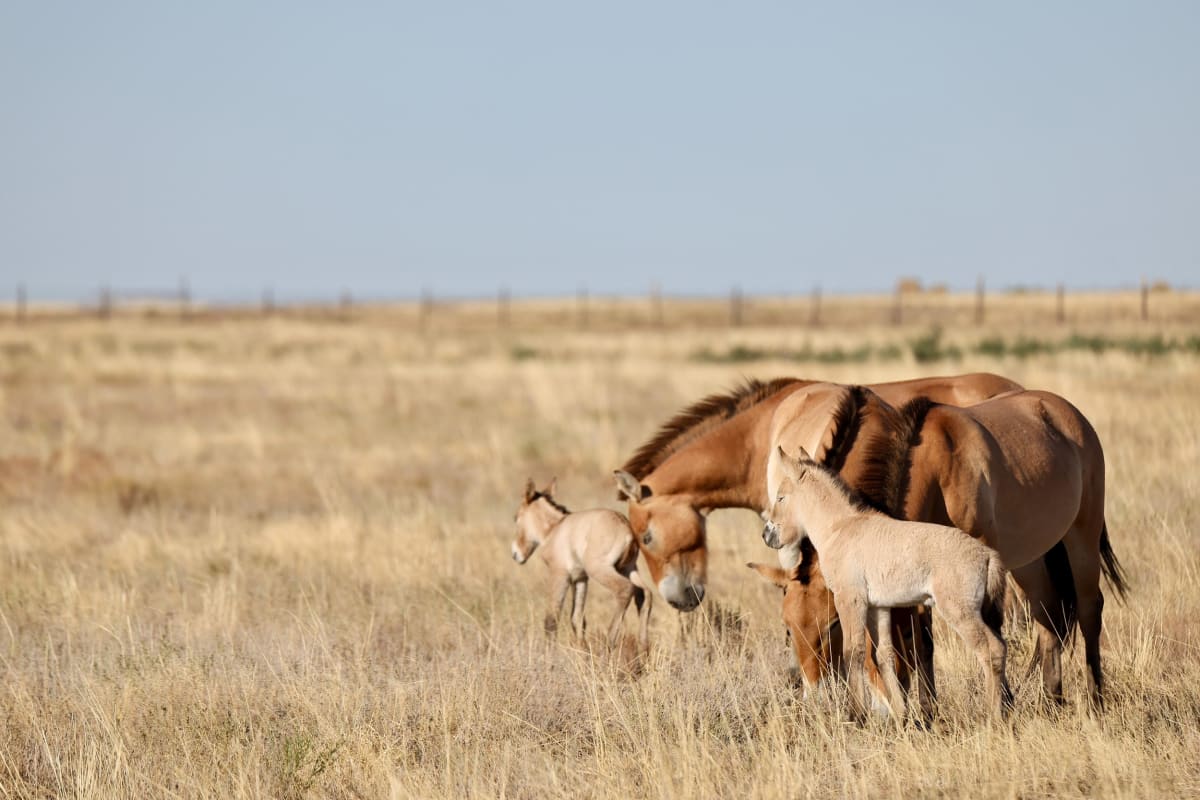
Cape May Zoo welcomes two baby capybaras to the family
Two capybara pups born in New Jersey are being raised by an entire extended family at Cape May County Zoo. Their arrival highlights how nature's calmest rodents have built-in systems for protecting the young.
Two tiny capybaras just took their first wobbly steps at Cape May County Park & Zoo in southern New Jersey, and they're already surrounded by the world's most dedicated babysitting crew.
Born in mid-April to parents Buttercup and Goomba, the pups arrived with their eyes wide open and stood up within hours. By week one, they were already munching grass alongside the adults like seasoned pros.
But here's the heartwarming part: these babies aren't being raised by their parents alone. Their extended family of aunts, uncles, and older siblings from previous litters have formed a protective circle around them, with someone always standing watch and ready with a gentle nudge or nuzzle.
Cape May County Commissioner Vice-Director Andrew Bulakowski captured the joy simply: "What a wonderful joy to be blessed with additional capybara pups. Families love this exhibit, and their love will only grow with the sights of these new additions."
Zookeepers are giving Buttercup and her babies regular breaks from visitor attention, but patient guests can watch from a nearby bridge. The wait is worth it for one of the sweetest scenes in the zoo.
The Ripple Effect
What looks like an adorable cuddle pile actually represents something profound. Capybaras practice what scientists call alloparenting: shared childcare built into their survival strategy.
In the wild, female capybaras nurse each other's pups. Older animals act as lookouts and babysitters whether they share DNA or not. This communal approach gives young capybaras strong survival odds, with more than 70% making it through their first year in stable groups.
These gentle giants (the world's largest rodents, weighing up to 146 pounds) play crucial roles in South American wetlands. Their grazing keeps plant diversity healthy; when capybaras disappear from an area, overall plant richness can drop by 25% or more. That affects insects, birds, and every creature depending on those plants.
As prey for jaguars, anacondas, and caimans, capybaras also anchor entire food chains. Their bodies are perfectly designed for wetland life, with eyes, ears, and nostrils positioned on top of their heads so they can stay submerged while watching for danger. They can hold their breath for five minutes.
You might recognize capybaras from the internet, where they've become famous for their unbothered nature: soaking in hot springs, letting birds perch on their backs, staying calm while chaos swirls around them. But these barrel-shaped creatures are far more important than their meme status suggests.
At Cape May, Buttercup's family is following an ancient capybara tradition of collective care, proving that sometimes the best way to raise the next generation is together.
More Images




Based on reporting by Upworthy
This story was written by BrightWire based on verified news reports.
Spread the positivity!
Share this good news with someone who needs it