Cape Town Team Stops Fatal Heart Rhythm With Radiation
A South African man who received 12 life-saving shocks in one hour now lives free of dangerous heart rhythms, thanks to a groundbreaking treatment combining heart mapping and precision radiation. It's one of the first procedures of its kind in Africa.
Sydney Clarence Hoogbaard's implantable defibrillator shocked his heart 12 times in a single hour, trying desperately to keep him alive. For 18 months, the 61-year-old had endured recurring episodes of ventricular tachycardia, a condition causing dangerously fast heart rhythms that can lead to sudden death.
Medication didn't work. Multiple procedures didn't work. Each shock was physically exhausting and emotionally draining, and they kept coming.
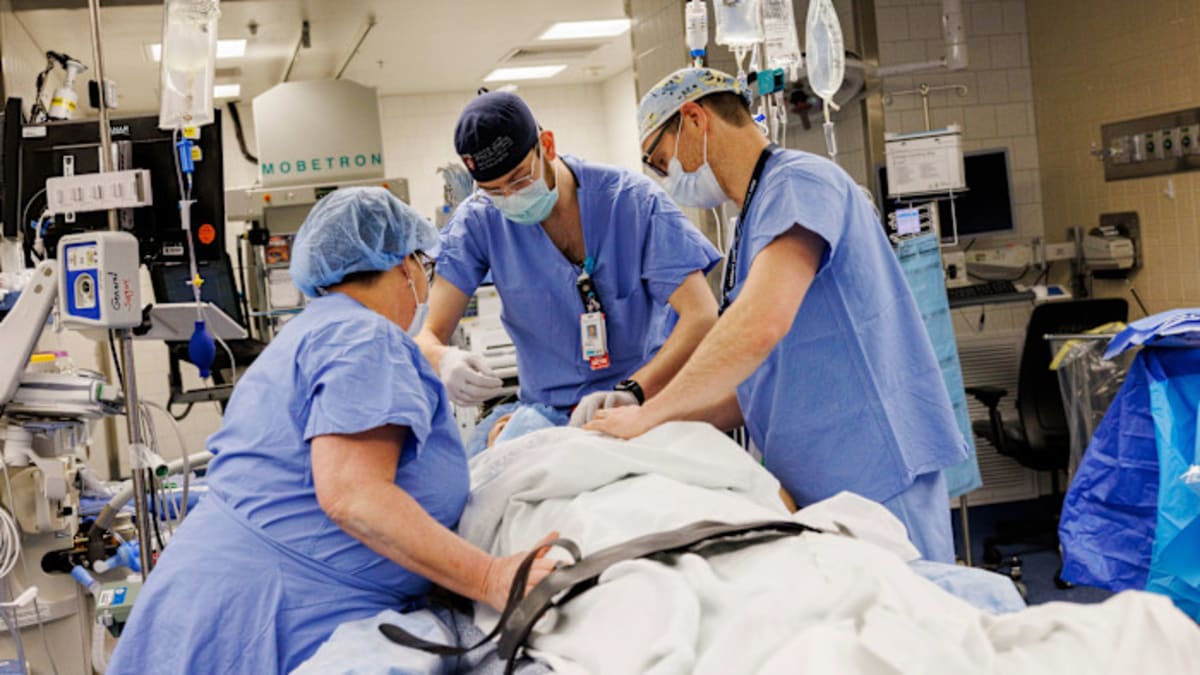
That's when a team at Life Vincent Pallotti Hospital in Cape Town decided to try something different. Led by cardiac specialist Dr. Vinod Thomas, they combined heart rhythm mapping with a cancer treatment technique to target the exact areas of Sydney's heart causing the life-threatening beats.
The approach, called Stereotactic Arrhythmia Radiotherapy Ablation, uses highly focused radiation beams normally reserved for treating tumors. But instead of targeting cancer cells, the team aimed at abnormal heart tissue with accuracy measured in fractions of a millimeter.
Dr. Thomas and his colleagues, including radiologist Dr. Tyrone Annor and radiation oncologist Dr. Louis Kathan, first created a detailed three-dimensional model of Sydney's heart. They identified the problem areas using electrical mapping, then used imaging technology to plan the radiation treatment with extraordinary precision.
The procedure is non-invasive, meaning no incisions or catheters threading through blood vessels. The radiation does its work from outside the body, reaching deep into the heart to quiet the cells causing chaos.
After the treatment, Sydney's dangerous rhythms stopped. During his recovery in ICU, he experienced no recurrence of ventricular tachycardia and no more shocks from his defibrillator. His overall condition improved significantly.
The Ripple Effect
This breakthrough opens doors for other patients across Africa who have exhausted conventional treatments. Ventricular tachycardia affects thousands of people, and while most respond well to standard therapies, a small group continues suffering despite every available option.
The Cape Town team's success shows what's possible when specialists from different fields work together. Heart rhythm experts, radiologists, and cancer treatment specialists combined their knowledge to solve a problem none could tackle alone.
Their collaboration transforms a devastating diagnosis into a treatable condition, giving hope to patients who thought they'd run out of options.
For Sydney and others like him, this South African innovation means the difference between constant fear of the next shock and the chance to live without that threat hanging over every moment.
More Images



Based on reporting by Regional: south africa breakthrough (ZA)
This story was written by BrightWire based on verified news reports.
Spread the positivity!
Share this good news with someone who needs it