Caspian Sea Gets New Rules to Protect Its Future
Five countries surrounding the world's largest inland sea just adopted legally binding environmental protections. The new protocol requires major projects like pipelines and dams to undergo cross-border environmental reviews before construction begins.
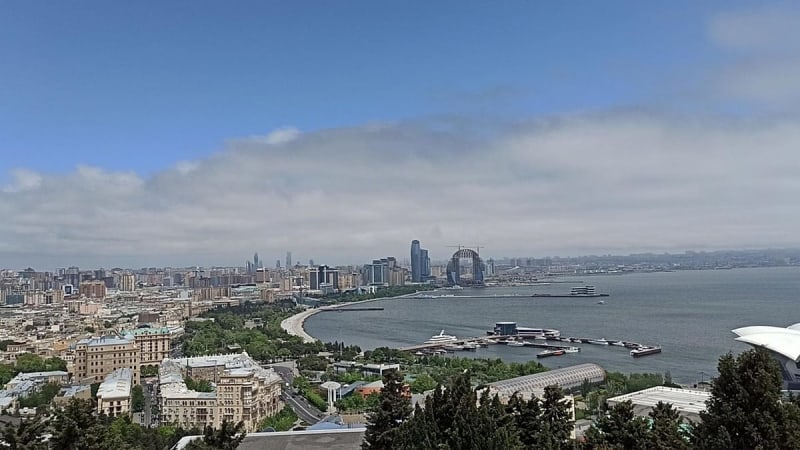
The Caspian Sea, home to unique wildlife and vital energy corridors, just gained powerful new protections that give neighboring countries a voice in preventing environmental damage.
Azerbaijan, Iran, Kazakhstan, Russia, and Turkmenistan have activated a new Protocol on Environmental Impact Assessment under the Tehran Convention. The legally binding agreement requires any major infrastructure project to assess potential environmental impacts on neighboring countries before breaking ground.
The protocol covers oil and gas facilities, pipelines, power stations, dams, transport corridors, and large-scale water transfers. When one country requests it, another must share environmental assessments publicly and get approval before moving forward with construction.
The timing matters. The Caspian Sea faces mounting pressure from climate change, falling water levels, and biodiversity loss. Without coordinated action, the sea that supports millions of people and rare species like Caspian seals could continue its decline.
"Regional cooperation is vital," says Arnold Kreilhuber, Director of UNEP's Regional Office for Europe. "The Tehran Convention can unite efforts to help ensure we protect this unique body of water and the communities and species that depend on it."
Azerbaijan recently brought attention to these environmental risks at the United Nations in Geneva, joining officials and environmental experts to discuss governance challenges. The diplomatic push reflects growing recognition that protecting the Caspian Sea requires more than individual country efforts.
The Tehran Convention, which provides the governance framework for regional cooperation, has already guided measures on oil spill response and pollution control since its adoption. A fifth protocol on environmental monitoring and information exchange is currently under negotiation.
The Ripple Effect
The protocol brings real accountability to a region experiencing rapid economic expansion. The Caspian Sea sits along key Europe-Asia energy and transport corridors, making its environmental health crucial far beyond the five countries that border it.
Stronger oversight prevents habitat loss and pollution from undermining both ecosystems and economic connectivity. When countries coordinate on environmental protection, everyone benefits from cleaner water, healthier wildlife populations, and more sustainable development.
By requiring transparency and cross-border approval, the protocol transforms environmental protection from an optional courtesy into a legal obligation. Projects that might have proceeded without regard for neighboring countries must now consider broader impacts.
Five nations have shown that protecting shared natural resources requires shared responsibility and enforceable rules that work.
More Images



Based on reporting by Euronews
This story was written by BrightWire based on verified news reports.
Spread the positivity!
Share this good news with someone who needs it