Catalina Island Restores Rare Ecosystem After 96 Years
California's Catalina Island is bringing back North America's rarest tree and healing a unique ecosystem by carefully removing invasive deer introduced nearly a century ago. The five-year restoration will help endangered condors, bald eagles, and plants found nowhere else on Earth.
A remote island off California's coast is getting a second chance at its original wild beauty, nearly a century after humans accidentally disrupted it.
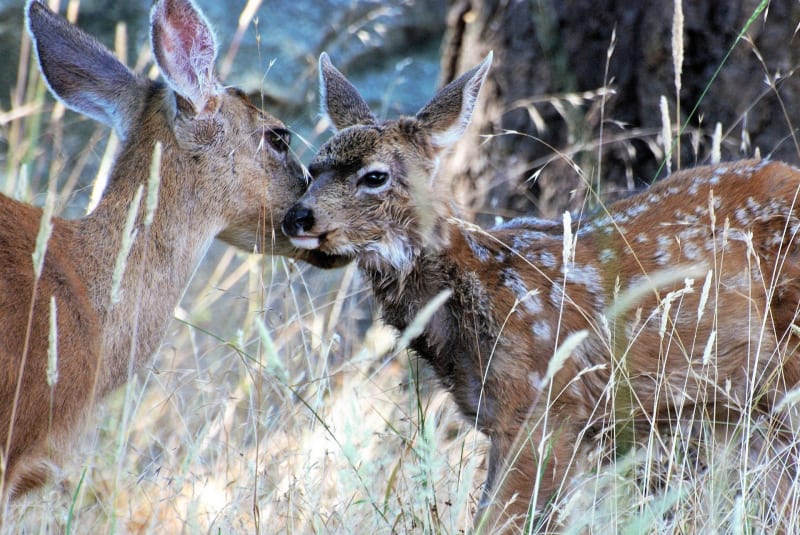
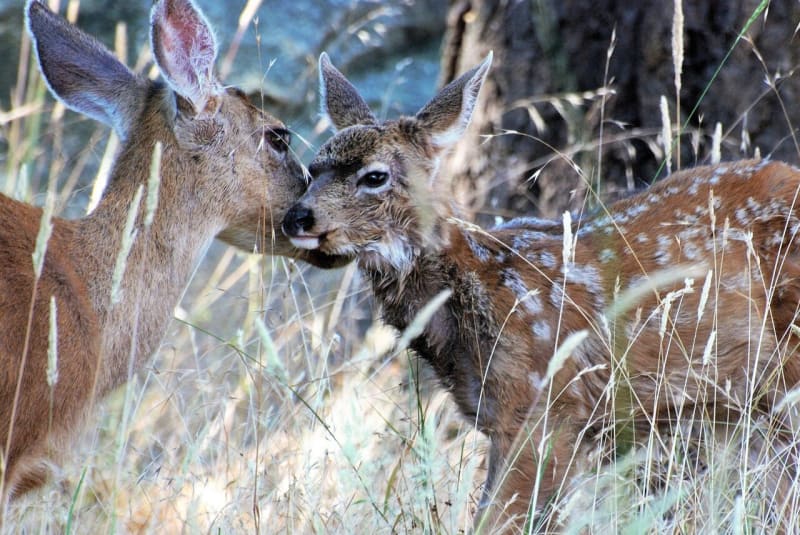
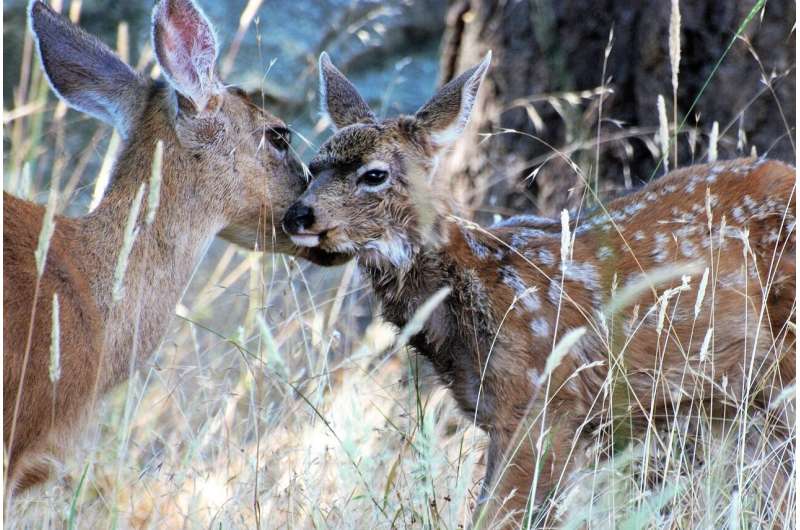
The Catalina Island Conservancy just received state approval to restore the island's ecosystem by removing non-native mule deer that have prevented rare plants from surviving. What started as 10 deer brought for hunting in 1930 has grown to over 2,000 animals eating their way through species that exist nowhere else on the planet.
The island is home to the Catalina Island Mountain Mahogany, possibly the rarest tree in North America. These trees and other native plants have struggled to survive as deer populations exploded over the decades. Without intervention, scientists worry these irreplaceable species could disappear forever.
Starting this September, a team of 10 to 12 trained professionals will carefully manage the deer population over four to five years. The California Department of Fish and Wildlife approved the plan after rigorous scientific review, confirming it supports the recovery of native California species.
The restoration goes far beyond saving rare trees. When native plants return, they'll hold soil better and help groundwater recharge naturally. They'll also reduce wildfire risk since healthy native plants resist fire better than the quick-drying invasive grasses that currently dominate deer-grazed areas.
The Ripple Effect
The benefits extend across multiple endangered species. Deer meat will feed critically endangered California condors on the mainland, while other carcasses left on the island will nourish bald eagles and foxes. A few deer in the island's only town will be sterilized and allowed to live naturally.
Catalina belongs to the Channel Islands, sometimes called the Galapagos of North America for their unique wildlife. Other Channel Islands have seen remarkable ecosystem recovery after removing invasive species, giving scientists confidence this approach works.
The conservancy plans to follow deer removal with extensive habitat restoration. Teams will remove invasive plants, clone rare species, and replant natives across the landscape. These efforts only become possible once the island's plants can grow without constant grazing pressure.
Lauren Dennhardt, the conservancy's senior director of conservation, acknowledged the difficulty of the decision. "Nobody wants to kill animals," she said, but protecting the irreplaceable native ecosystem means making hard choices for long-term health.
Catalina represents something precious: a chance to undo an ecological mistake and give nature the opportunity to heal itself.
More Images


Based on reporting by Phys.org
This story was written by BrightWire based on verified news reports.
Spread the positivity!
Share this good news with someone who needs it