Caterpillars Hear Through Tiny Hairs, Inspiring New Tech
Scientists at Binghamton University discovered that caterpillars hear through microscopic body hairs, not ears. This breakthrough could revolutionize how we design microphones.
📺 Watch the full story above
A common garden pest just taught scientists something extraordinary about sound detection that could change microphone technology forever.
Researchers at Binghamton University discovered that tobacco hornworm caterpillars can hear airborne sounds through tiny hairs on their bodies. No ears required.
The discovery started with a simple observation decades ago. Associate Professor Carol Miles noticed that caterpillars would jump whenever she walked into the lab and spoke.
"Every time I went 'boo' at them, they would jump," Miles said. She filed that curiosity away for years before finally investigating whether caterpillars could actually hear.
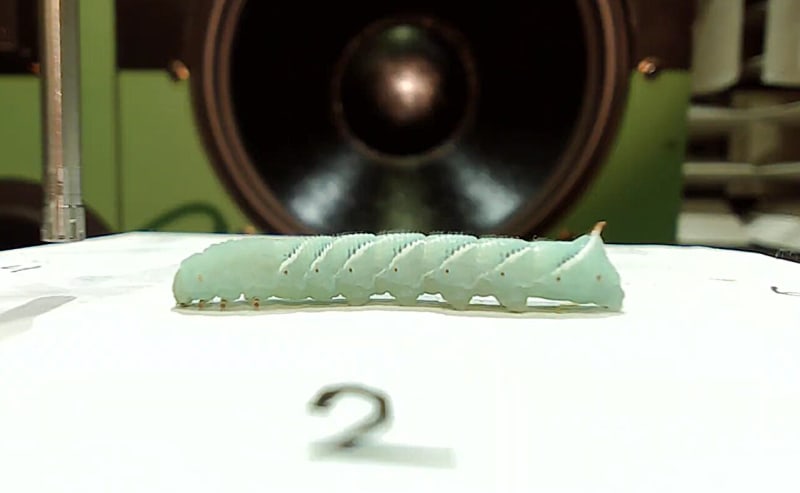
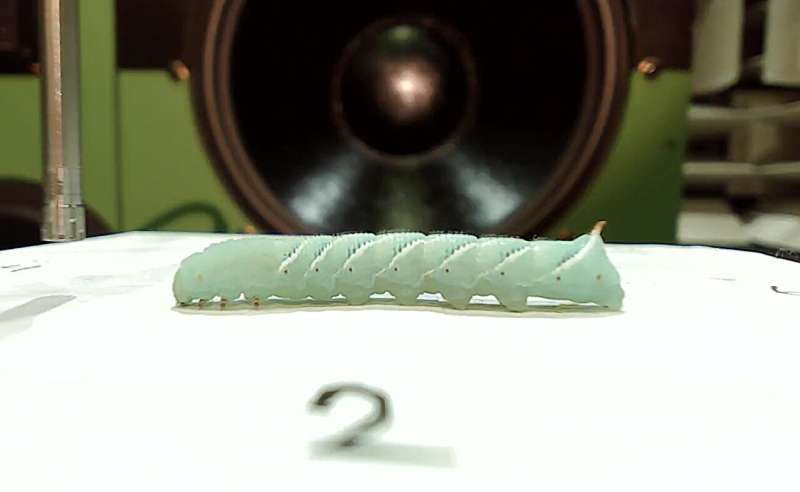
To find answers, the research team tested caterpillars in one of the world's quietest rooms: Binghamton's anechoic chamber. This special environment allowed them to separate airborne sound from surface vibrations completely.
They played low and high frequency sounds to the caterpillars while measuring their responses. The results surprised everyone.
The caterpillars responded 10 to 100 times more strongly to airborne sound than to vibrations traveling through whatever surface they stood on. They were definitely hearing, not just feeling vibrations through their feet.
But how? The team ran another experiment, carefully removing tiny hairs from the caterpillars' bodies.
Without their microscopic hairs, the caterpillars lost much of their ability to detect sounds. Mystery solved.
The researchers believe this hearing ability evolved as a survival mechanism. Predatory wasps that hunt caterpillars beat their wings at around 150 hertz, matching the frequency range where caterpillars show the strongest reactions.
When caterpillars hear sounds at these frequencies, they freeze, twitch, or startle jump. It's their way of detecting danger from above.
Why This Inspires
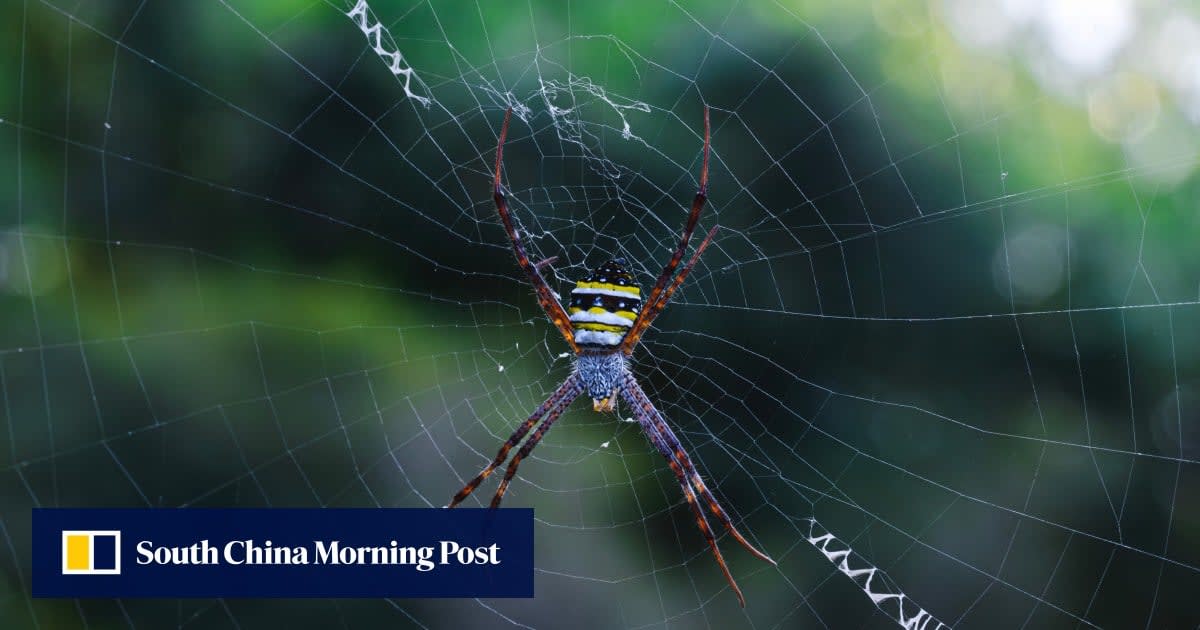
Distinguished Professor Ronald Miles, who previously studied sound detection in flies and spiders, sees enormous potential in this discovery. His earlier research already led to a new microphone patent.
"There's an enormous amount of effort and expense on technologies for detecting sound," Miles explained. "The way it's always been done is to look at what animals do and learn how animals detect sound."
Nature has spent millions of years perfecting these tiny biological sensors. Now engineers can study how caterpillar hairs move in response to airborne sound waves and apply those principles to human technology.
The research shows that some of the best solutions to our technical challenges have been hiding in plain sight all along, on the body of a creature most people consider a pest.
More Images



Based on reporting by Phys.org
This story was written by BrightWire based on verified news reports.
Spread the positivity!
Share this good news with someone who needs it