Cats and Humans Share Cancer Genes, Boosting Treatment Hope
Scientists discovered that cats develop cancer through the same genetic mutations as humans, opening new paths for treatments that could save both pets and people. Nearly 500 cats helped create a "cancer map" that might lead to personalized therapies for families and their felines.
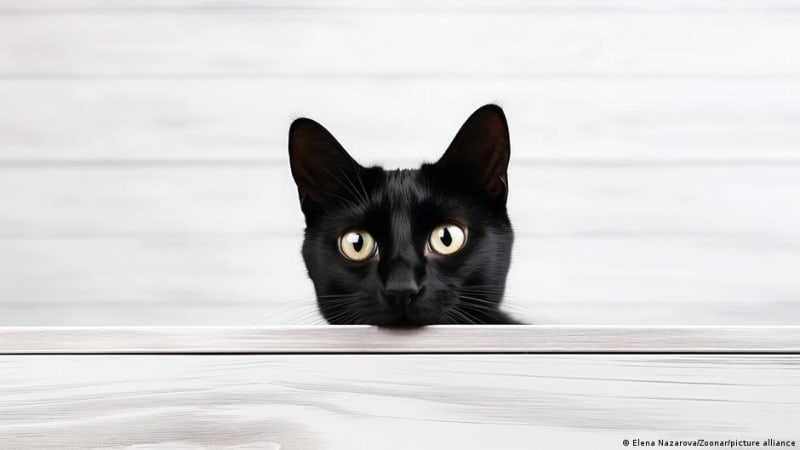
Your cat might be the key to beating cancer for both of you.
Scientists just published groundbreaking research showing that cats and humans develop similar cancers through identical genetic mutations. This discovery could transform how we treat cancer in both species while making our homes safer.
Researchers analyzed 13 types of cancer from nearly 500 cats across five countries, creating the first cat "oncogenome." This genetic map reveals which mutations cause cancer in our feline friends.
The results were stunning. Half of cat cancer samples showed a mutation in the FBXW7 gene, linked to aggressive breast cancer in humans. The TP53 gene mutation appeared most frequently, the same culprit behind many human cancers.
Louise van der Weyden from the Wellcome Sanger Institute explains why this matters more than traditional lab research. "These pets are in the same environment that we're in, so they've got the same pollution, something that you're not going to get in the laboratory."
Unlike lab mice living in sterile cages, housecats breathe the same air, walk the same floors, and face the same environmental risks as their owners. They're living alongside us, experiencing real-world cancer triggers naturally.
The Ripple Effect
This research creates benefits that extend far beyond individual treatments. If a cat develops cancer from a specific trigger in your home, it could alert the entire family to similar risks before human symptoms appear.
Cats essentially become early warning systems. Van der Weyden calls them "the canary in the coal mine" for environmental dangers we can't yet see.
The work is already producing results. A 2025 University of California study tested a human cancer drug on cats with oral cancer. One-third of treated cats lived an extra six months, proving the two-way potential of this research.
The approach also minimizes harm to animals. Pet owners willingly donate biopsy samples that would be taken anyway for diagnosis. No additional animals suffer for research purposes.
Van der Weyden's team used non-pedigree housecats, creating a genetically diverse research pool that mirrors real human populations better than purebred animals. They plan to expand globally for even broader understanding.
The next frontier is personalized cancer therapy. Researchers can now develop treatments tailored to specific genetic mutations appearing in both cats and humans, doubling the impact of every breakthrough.
Every pet owner who shares their cat's medical samples contributes to this life-saving research, turning a difficult diagnosis into hope for families everywhere.
Based on reporting by DW News
This story was written by BrightWire based on verified news reports.
Spread the positivity!
Share this good news with someone who needs it