Cattle Boost Yorkshire Dales Wildflowers by 41%
Trading sheep for cattle at a Yorkshire nature reserve sparked a wildflower explosion and brought butterflies back in droves. After 18 years, scientists now have proof this simple switch works.
A herd of hardy cattle just proved they're secret gardening heroes in the Yorkshire Dales, boosting plant diversity by over 40% and bringing butterflies flooding back to landscapes that desperately needed help.
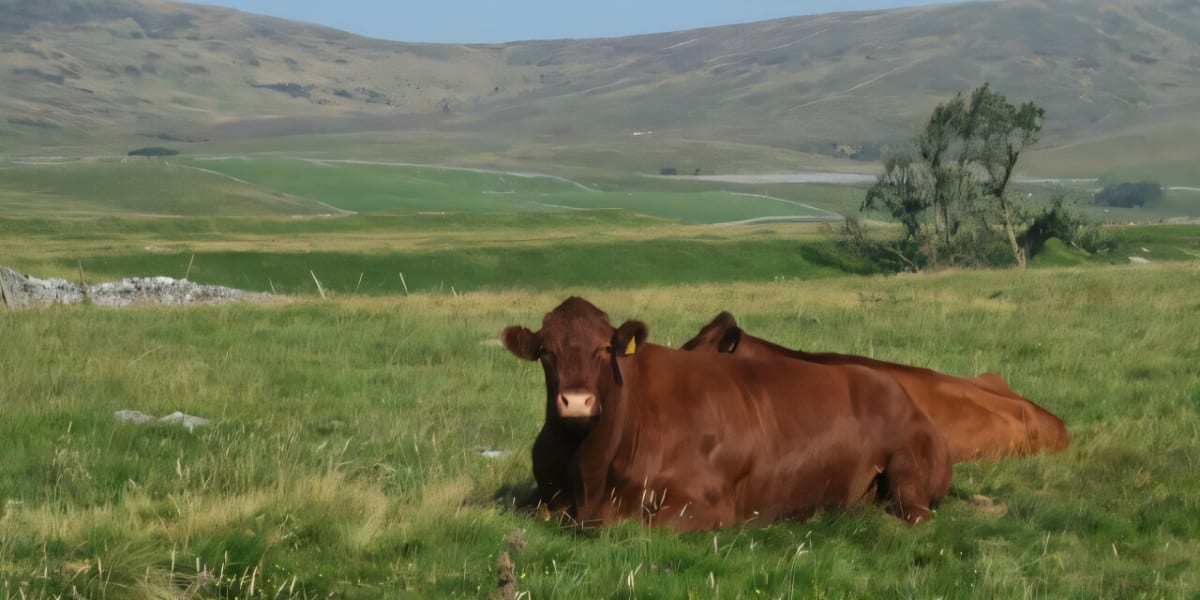
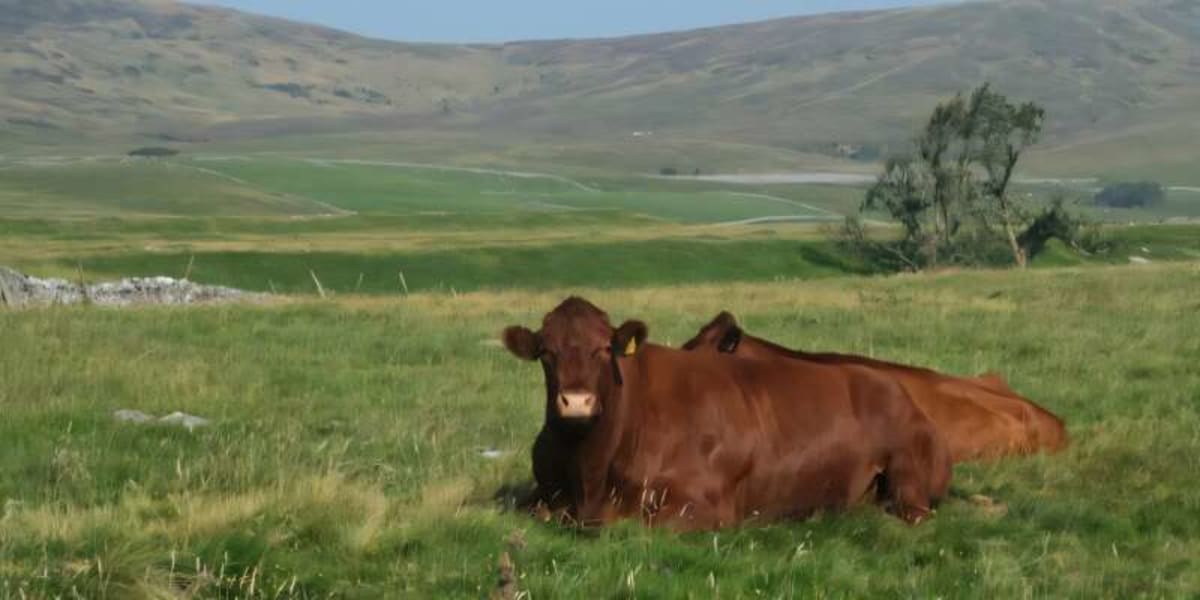
Since 2004, the Wild Ingleborough project has been replacing sheep with native cattle breeds like red polls and belted galloways across 1,500 hectares of Yorkshire countryside. The results, published this month by University of Leeds researchers, show nature responding in ways that even surprised the scientists.
Plant diversity jumped 41% after 18 years of cattle grazing. Wildflowers like Eyebrights, Bird's-foot-trefoil, and Fairy Flax now blanket areas that were once dominated by plain grassland.
The butterfly comeback tells an even more dramatic story. Sites grazed by cattle now host almost five times more butterflies than sheep-grazed areas, with rare species like the Northern Brown Argus thriving again.
The secret lies in how these animals eat. Cattle wrap their tongues around tall grass and pull, creating space for wildflowers to grow. Their trampling hooves disturb soil just enough for seeds to germinate, and their shaggy coats carry seeds across the landscape like furry gardeners.
Sheep, by contrast, graze selectively with precision jaws that target specific plants. That focused nibbling has dominated UK uplands for decades, preventing trees, shrubs, and wildflowers from regenerating.
The numbers tell a stark story. Sheep populations in Great Britain exploded from 18 million in 1950 to 41 million by 1990 as farming intensified. Even with recent reductions, the legacy remains visible across grassland-dominated hillsides.
Robyn Wrigley, who co-authored both studies, emphasized that grazing management is complex and sensitive. But now restoration projects have 18 years of solid evidence showing cattle can boost biodiversity while still supporting profitable, resilient farms that fit local heritage.
The Ripple Effect
This isn't just good news for one corner of Yorkshire. Butterfly populations across the UK have crashed in recent decades due to habitat loss, intensive agriculture, and climate change. Proving that a management switch can reverse those declines gives hope to restoration projects nationwide.
The research offers upland communities a roadmap. Natural England and Yorkshire Wildlife Trust are already using these findings to guide ongoing management at Wild Ingleborough, and other projects are watching closely.
The lesson is beautifully simple: sometimes nature just needs the right kind of help, and a herd of patient cattle might be exactly what struggling ecosystems ordered.
More Images

Based on reporting by Phys.org
This story was written by BrightWire based on verified news reports.
Spread the positivity!
Share this good news with someone who needs it