CDC's Disease Detective Program Celebrates 75 Years
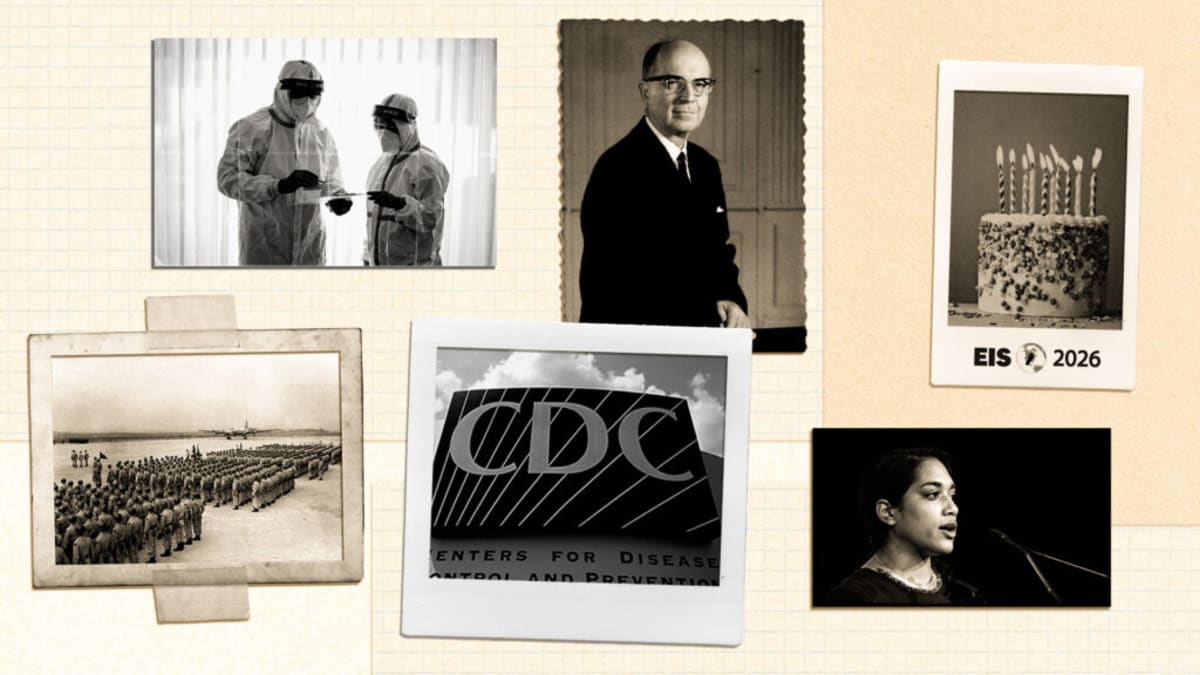
The Epidemic Intelligence Service, which trained the first responders to COVID-19's U.S. outbreak, marks 75 years of protecting public health. These "disease detectives" have rushed to the frontlines of every major health crisis since 1951.
When Eric Chow's phone rang on February 28, 2020, he had less than 24 hours to pack his bags and board a plane to Seattle. He was about to investigate what would become the first known COVID-19 outbreak in the United States.
Chow is one of thousands of disease detectives trained by the CDC's Epidemic Intelligence Service, a program celebrating its 75th anniversary this year. Since 1951, these elite public health officers have been the first boots on the ground during America's biggest health crises.
The program began during the Korean War when officials feared biological warfare attacks. Instead, these trained investigators became the nation's rapid response team for everything from food poisoning outbreaks to epidemics.
EIS officers spend two years learning to track diseases, analyze outbreaks, and protect communities. They sit by their phones ready to deploy anywhere, anytime. When the call comes, they drop everything and go.
Over 3,800 disease detectives have graduated from the program. They've helped eradicate smallpox globally, identified toxic shock syndrome, tracked down sources of deadly E. coli outbreaks, and responded to natural disasters from hurricanes to earthquakes.
When COVID-19 emerged, EIS officers were ready. They jumped on planes within hours, racing to understand a virus the world had never seen. Their quick work helped identify how the disease spread and informed the earliest protective measures.
The Ripple Effect
The impact extends far beyond emergency response. EIS alumni now lead health departments, universities, and global organizations in more than 60 countries. They train the next generation of public health leaders and shape policies that protect millions.
Former officers have gone on to discover the link between tampons and toxic shock syndrome, prove that cigarettes cause lung cancer, and develop vaccination strategies that save countless lives. They've investigated outbreaks in remote villages and major cities alike.
The program accepts only about 80 officers each year from hundreds of applicants. These doctors, scientists, and researchers sacrifice comfortable careers to chase diseases across the country and around the world.
Today's EIS officers continue the tradition, monitoring everything from antibiotic-resistant infections to foodborne illnesses. They work quietly behind the scenes, often unrecognized, stopping outbreaks before most people know they exist.
For 75 years, these disease detectives have stood between Americans and invisible threats, proving that preparation and quick action save lives.
More Images



Based on reporting by STAT News
This story was written by BrightWire based on verified news reports.
Spread the positivity!
Share this good news with someone who needs it