Cell Therapy Helps Liver Patients Skip Anti-Rejection Drugs
A small trial shows immune cells from liver donors can teach recipients' bodies to accept new organs without harsh medication. The breakthrough could end transplant patients' lifelong dependence on drugs that weaken immunity and cause serious side effects.
Transplant patients might soon escape the difficult choice between organ rejection and the serious side effects of anti-rejection drugs.
A new study published in Nature Communications shows that immune cells from living liver donors can train recipients' bodies to welcome new organs as their own. The early trial used regulatory dendritic cells taken from donors' white blood cells and grown in a lab.
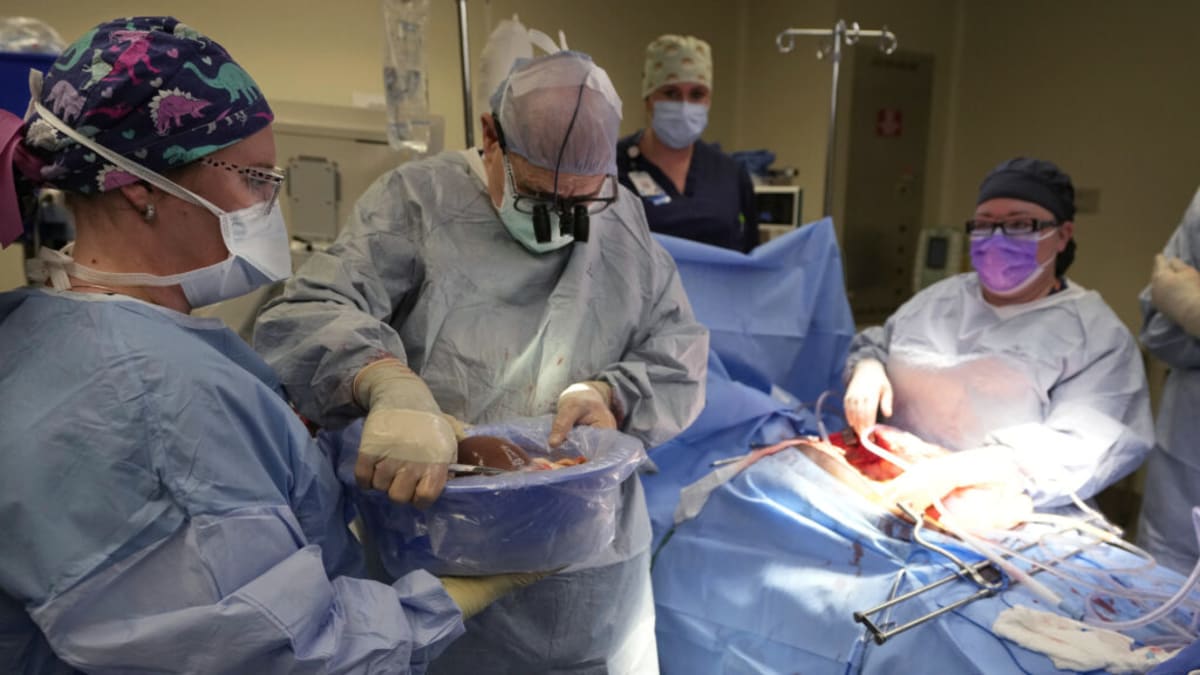
Living liver donation works because the organ can regenerate. Donors give a portion of their liver, which grows back over time. Recipients receive these partial organs to replace livers damaged by disease or cancer, and those fragments grow too.
The catch has always been what comes next. Anti-rejection drugs keep the body from attacking the foreign organ, but they also leave patients vulnerable to infections and certain cancers. Many patients develop diabetes or kidney damage from the medications they must take for life.
Scientists have long dreamed of immune tolerance as the holy grail of transplant medicine. The goal is teaching the recipient's immune system to recognize donated organs as friendly tissue instead of foreign invaders requiring attack.
This study took a new approach to that problem. Previous attempts used regulatory T immune cells from donors, but this trial worked with different immune cells called regulatory dendritic cells instead. Both strategies share the same core idea of retraining the recipient's immune system.
The research team obtained white blood cells from living donors and generated the special dendritic cells in laboratory conditions. These prepared cells were then given to transplant recipients to prime their immune systems before and after surgery.
Why This Inspires
This research represents genuine progress toward freeing transplant patients from a difficult burden. Living with a new organ currently means trading one health challenge for another, accepting medication side effects to keep the transplant working.
The study remains small and early stage, but it demonstrates a path forward. Each successful trial brings researchers closer to understanding how to achieve lasting immune tolerance in transplant recipients.
Liver transplants save lives, giving patients with liver failure, cancer, or severe disease a second chance. Making those second chances better by eliminating harsh medication regimens would transform outcomes for thousands of people each year.
The donors in these living transplants already give an extraordinary gift. Now science is working to ensure that gift comes with fewer strings attached for the people who receive it.
Transplant medicine continues moving toward a future where receiving a new organ doesn't require a lifetime of difficult tradeoffs.
More Images



Based on reporting by STAT News
This story was written by BrightWire based on verified news reports.
Spread the positivity!
Share this good news with someone who needs it