
Central Asia's Ancient Food Exchange Shaped Modern Cuisine
Scholars reveal how the Silk Road transformed Central Asia into a culinary melting pot, blending ingredients from China and Southwest Asia. Foods like peaches, rice, and wheat traveled through this forgotten crossroads, creating today's diverse food landscape.
A single peach once represented the ultimate luxury gift for Chinese emperors, and it tells the story of how food shaped civilizations.
During the Tang dynasty, the "golden peach of Samarkand" from modern-day Uzbekistan symbolized far more than royal indulgence. It represented the vast cultural exchange happening along the Silk Road, where Central Asia served as the world's original food hub.
Dr. Robert N. Spengler III, director of the Paleoethnobotany Laboratories at the Max Planck Institute in Germany, studies how ancient trade routes created our modern food landscape. His research shows Central Asia wasn't just a pathway between East and West; it was a vibrant mixing bowl where culinary traditions collided and transformed.
The exchange worked both ways across this crossroads. Rice, chicken, and melons journeyed westward from China, while wheat, lentils, cattle, and fava beans traveled eastward from Southwest Asia. Central Asian farmers and traders didn't just pass these ingredients along; they adapted, cultivated, and improved them.
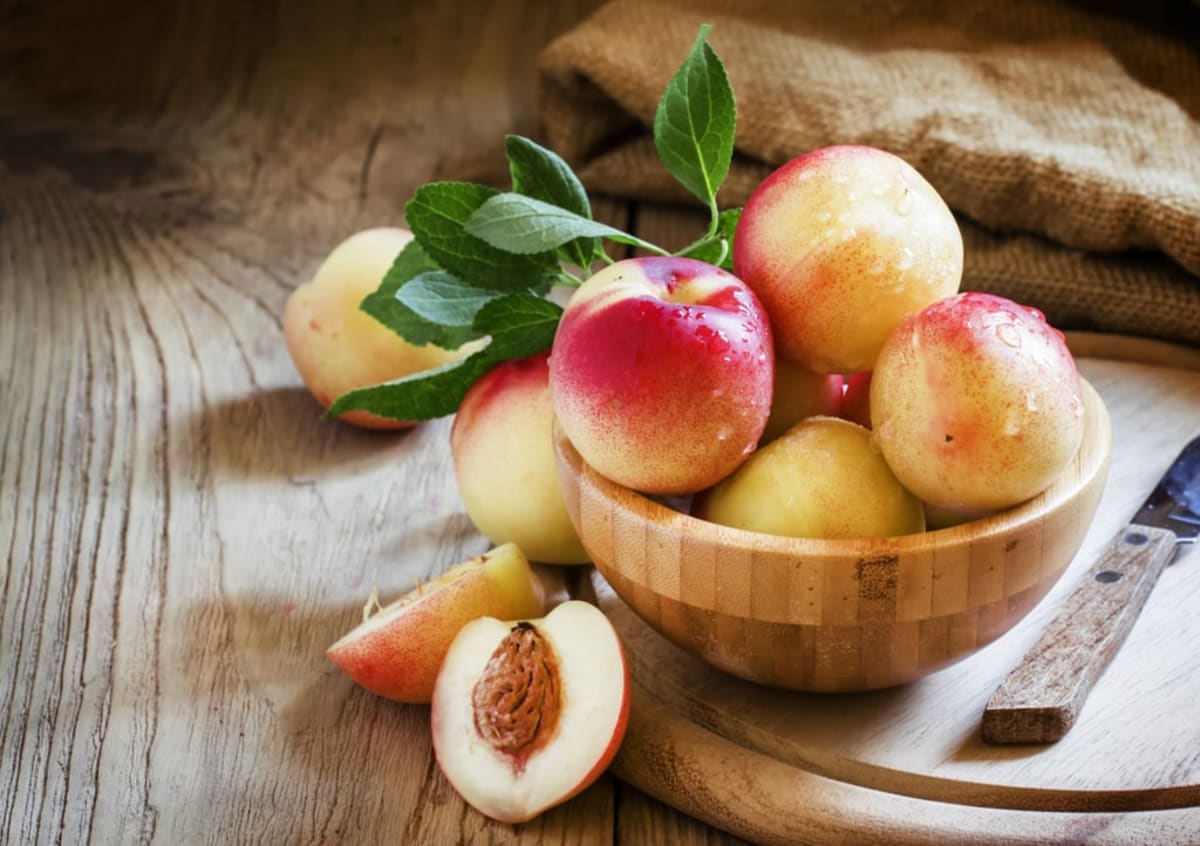
Today's Uzbek nectarines showcase this legacy perfectly. Renowned for exceptional sweetness and aroma, they're in high demand across Central Asia and growing export markets worldwide. These fruits descend directly from those ancient Samarkand peaches that once wowed emperors.
The Ripple Effect
This ancient food exchange created ripples we still feel today. The ingredients that passed through Central Asia became staples in cuisines across two continents, from Chinese rice dishes to Middle Eastern wheat breads.
Central Asian empires may have faded from popular memory, but their role in connecting worlds through food lives on. Modern genetic studies of crops reveal Central Asian fingerprints in plants grown from Beijing to Berlin.
The region's culinary influence is finally gaining recognition as travelers discover its unique fusion cuisine. What once symbolized distant luxury now reminds us how sharing food has always brought people together.
More Images

Based on reporting by South China Morning Post
This story was written by BrightWire based on verified news reports.
Spread the positivity!
Share this good news with someone who needs it