Century-Old Drug Cuts Insulin Needs 12% for Type 1 Diabetics
A cheap diabetes drug that's been around for 100 years is helping people with type 1 diabetes use significantly less insulin each day. Scientists are now racing to understand why it works so they can help even more patients.
People living with type 1 diabetes just got some unexpected good news from a drug that's been sitting on pharmacy shelves for a century.
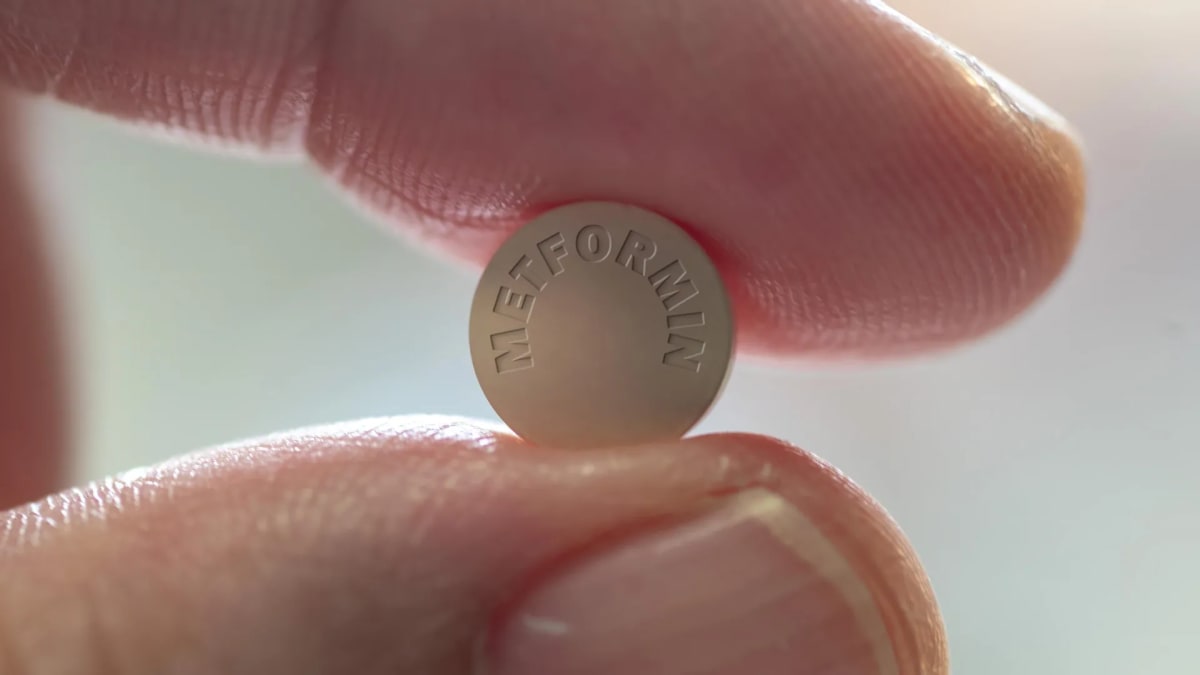
A new clinical trial from the Garvan Institute of Medical Research discovered that metformin, an inexpensive medication widely used for type 2 diabetes, helps people with type 1 diabetes reduce their insulin needs by about 12%. The finding could ease the daily burden for more than 130,000 Australians and millions worldwide who depend on insulin to survive.
The discovery came as a complete surprise to researchers. They originally hoped metformin would reduce insulin resistance, a growing problem in type 1 diabetes that makes blood sugar harder to control and increases heart disease risk. Instead, they found something different but equally valuable.
Dr. Jennifer Snaith, an endocrinologist who co-led the study, explains the significance. "Insulin is a lifesaving treatment, but it comes with significant mental and physical burden," she says. People with type 1 diabetes make an estimated 180 additional daily decisions just to monitor and adjust their blood sugar levels.
The trial, called INTIMET, was the first randomized controlled study of its kind. Forty adults with long-term type 1 diabetes took either metformin or a placebo for six months. Researchers used sophisticated clamp studies to measure insulin resistance throughout the body.
While metformin didn't improve insulin resistance as expected, participants taking the drug needed noticeably less insulin to maintain stable blood sugar levels. The 12% reduction might sound small, but for people managing multiple daily injections, it represents meaningful relief.
The mystery now is figuring out why it works. Professor Greenfield, who led the research, points out that despite being available for about 100 years, scientists still don't fully understand how metformin operates in the body.
Why This Inspires
The research team believes the answer might lie in the gut. Growing evidence suggests metformin influences gut bacteria in ways that affect how the body processes glucose. Dr. Snaith and her colleagues are now investigating how the drug changes the gut microbiome in people with type 1 diabetes, territory that's never been explored before.
What makes this discovery especially hopeful is how accessible the solution is. Metformin is already prescribed off-label to about 13,000 Australians with type 1 diabetes, and it's one of the cheapest diabetes medications available. If researchers can confirm how it works, even more patients could benefit from a treatment that's already widely available.
The findings, published in Nature Communications, open a new chapter in type 1 diabetes management. Sometimes the most exciting breakthroughs come not from cutting-edge technology, but from taking a fresh look at what's already in our medicine cabinets.
Based on reporting by Health Daily
This story was written by BrightWire based on verified news reports.
Spread the positivity!
Share this good news with someone who needs it