Century-Old TB Vaccine Helps Diabetes Patients Cut Insulin
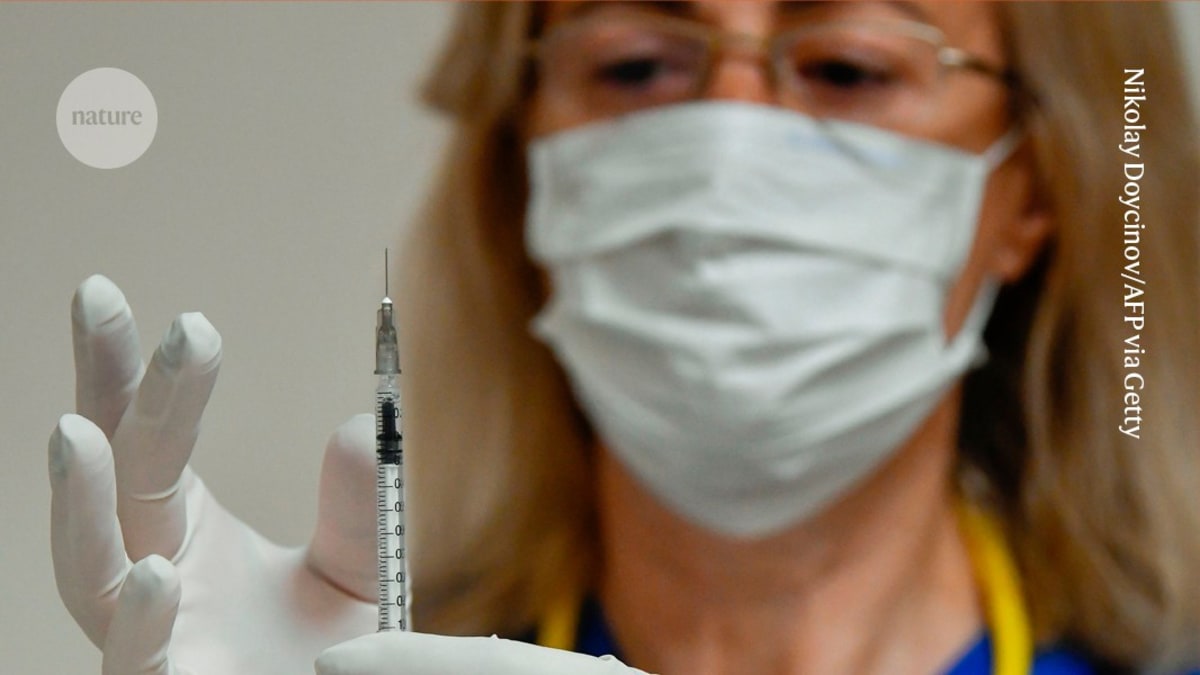
A 1920s tuberculosis vaccine is helping people with autoimmune diabetes reduce their insulin use in a breakthrough trial. The discovery adds to growing evidence that certain vaccines protect against diseases far beyond their original targets.
A vaccine created 100 years ago to fight tuberculosis is giving new hope to millions living with diabetes.
Researchers at Massachusetts General Hospital just completed a phase II trial showing that the BCG vaccine helps people with autoimmune diabetes regulate their blood sugar levels. The results mean patients can use less insulin to manage their condition.
The vaccine, developed in the 1920s from a weakened form of bovine tuberculosis bacteria, has always been a bit mysterious. Early studies found it protected children not just from tuberculosis, but from other deadly infections too. Doctors noticed the pattern but couldn't explain it.
Fast forward to today, and the FDA has already approved BCG to treat bladder cancer. Scientists are even testing it against Alzheimer's disease. Now diabetes joins that growing list.
The trial followed 95 people with LADA, a form of autoimmune diabetes that typically appears after age 30. Their immune systems attack the pancreatic cells that produce insulin, forcing them to rely on injections.
Sixty-eight participants received six BCG shots over five years. The others got placebo injections.
The vaccine group reduced their insulin use by an average of almost 3% during the trial. That might sound small, but here's the remarkable part: the placebo group had to increase their insulin by 22% over the same period. The disease naturally gets worse over time, but the vaccine appears to protect those insulin-producing cells from deteriorating.
"This opens your eyes to a whole new way to think about people with diabetes, and getting good blood-sugar control without a new device or new machine," says Dr. Denise Faustman, who led the trial.
Why This Inspires
The beauty of this discovery lies in its accessibility. The BCG vaccine has been safely given to billions of people worldwide for a century. It's inexpensive, well-understood, and already manufactured at scale.
Researchers believe the vaccine works by activating the immune system in a way that calms the autoimmune attack on insulin-producing cells. Mouse studies in 1990 first hinted at this possibility, but many scientists dismissed the idea as too good to be true.
"The data are very nicely in line with those old mouse studies," says immunologist Mihai Netea at Radboud University in the Netherlands. "I find this very exciting and interesting."
For people with type 1 diabetes and LADA, managing blood sugar is a daily challenge involving careful monitoring, insulin injections, and constant vigilance. A treatment that helps preserve their body's natural insulin production could transform their quality of life.
The findings were presented at the American Diabetes Association meeting in New Orleans, marking a turning point in how scientists view this humble century-old vaccine.
More Images



Based on reporting by Nature News
This story was written by BrightWire based on verified news reports.
Spread the positivity!
Share this good news with someone who needs it