
CEOs Who Survived Disasters Run Safer Workplaces
Business leaders who experienced natural disasters as children create workplaces with 24% fewer injuries, revealing how early adversity shapes compassionate leadership. A decade-long study of over 500 CEOs shows childhood experiences can translate into safer environments for millions of workers.
The earthquakes, floods, and hurricanes that shaped someone's childhood might be protecting workers decades later.
A groundbreaking study from Concordia University found that CEOs who lived through natural disasters between ages five and 15 run companies with significantly fewer workplace injuries. Their firms report almost 24% fewer work-related injuries and illnesses compared to companies led by executives without those early experiences.
Researchers tracked more than 500 CEOs of large U.S. companies over nearly a decade, matching their childhood locations and birth years with historical natural disaster records. They then compared this data with mandatory workplace safety reports submitted to OSHA.
The pattern was striking. Business leaders who weathered major storms, earthquakes, or floods during their formative years consistently prioritized worker safety, even when facing pressure to cut costs or boost short-term profits.
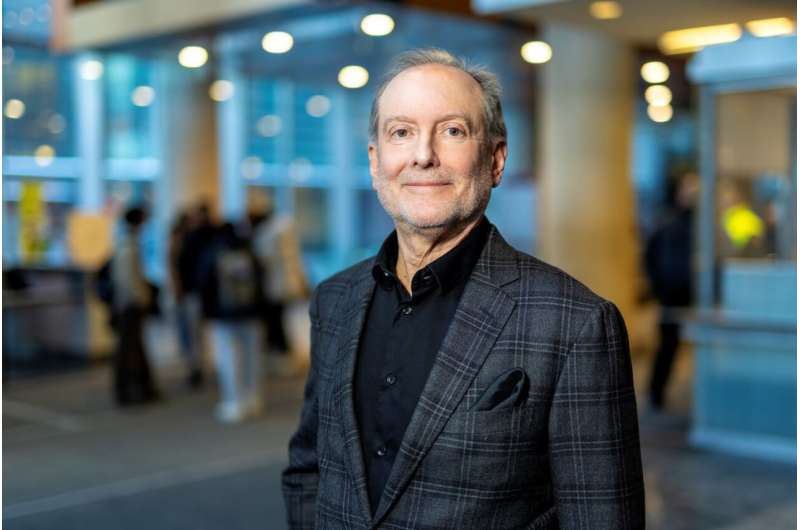
"We keep hearing in the media that CEOs tend to be very egotistical and do not really care about their employees," says study co-author Michel Magnan, a Distinguished University Research Professor at Concordia's John Molson School of Business. "But our research shows that many CEOs consider labor safety a very serious matter."
The effect was strongest among powerful CEOs who had the authority to stand firm against board members questioning safety investments. In companies where CEOs held less power, the childhood disaster experience mattered less, suggesting these leaders backed down when confronted with cost concerns.
The Ripple Effect
The stakes extend far beyond individual companies. More than 2.6 million workplace injuries occurred in the United States in 2023 alone, costing $176 billion and stealing 103 million workdays from American families.
When a CEO with disaster experience takes the helm, their childhood memories of loss and community resilience appear to translate into tangible protection for thousands of employees. The study's findings held strong across different company sizes, industries, and financial pressures.
The research suggests that early adversity doesn't just build character. It builds empathy that can save lives and prevent injuries across entire organizations.
Magnan notes that disaster exposure doesn't automatically make someone a better CEO overall. But it does reveal how personal history shapes leadership values in ways that boards, investors, and policymakers should consider, especially in high-risk industries where worker safety remains a critical concern.
These findings arrive at a crucial moment, as companies continue balancing profit pressures with employee wellbeing. The study proves that leaders who've faced nature's fury understand something vital: the people doing the work matter most.
More Images



Based on reporting by Phys.org
This story was written by BrightWire based on verified news reports.
Spread the positivity!
Share this good news with someone who needs it