Chad Frees Opposition Leader After 15 Months in Prison
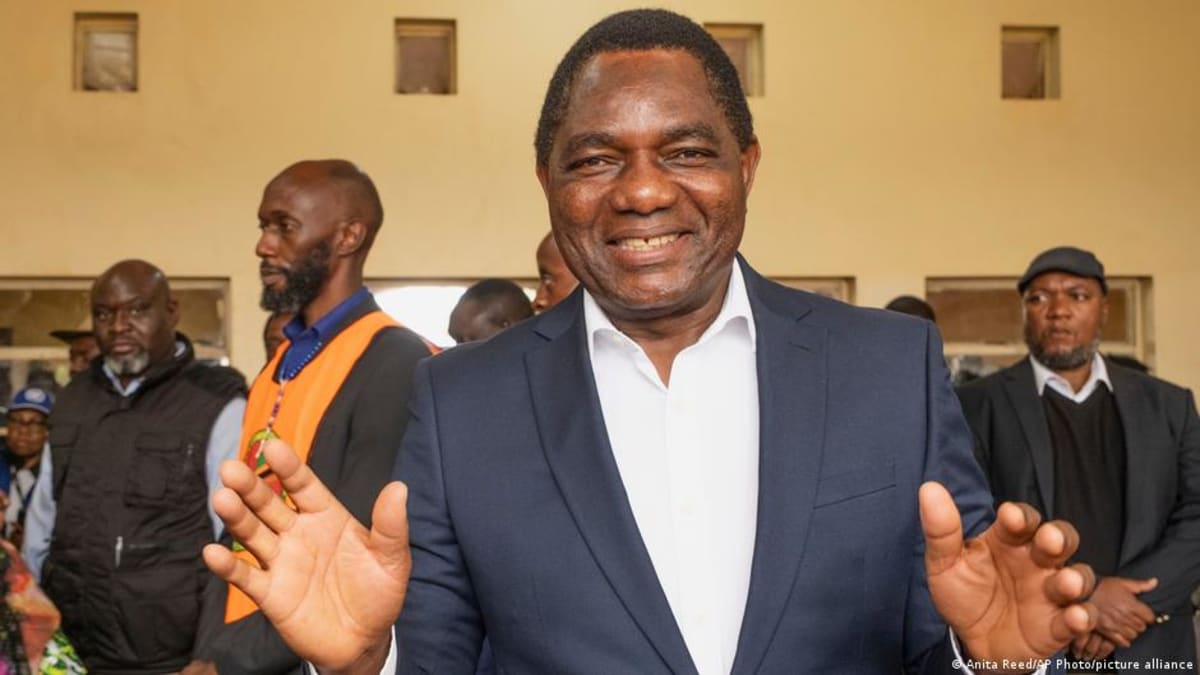
Former Prime Minister Succès Masra walked free from a Chadian prison in August after receiving a presidential pardon, along with eight other political leaders. The releases mark a potential step toward reconciliation in a country where political dissent has often been met with harsh crackdowns.
Nine political opposition leaders returned home to their families in Chad this August, released from prison under presidential pardons aimed at national reconciliation.
Among them was Succès Masra, who served as Chad's prime minister before running against the sitting president in 2024. He spent 15 months behind bars on charges human rights groups say were politically motivated.
The pardons freed not only Masra but also eight leaders from Chad's main opposition coalition. Two of these leaders had been temporarily released earlier for medical treatment before receiving full pardons.
These releases come at a critical time for Chad, a Central African nation navigating a complex political transition. The country has struggled to balance stability with democratic expression since 2021.
Masra had been sentenced to 20 years after prosecutors accused him of inciting violence through social media posts where he expressed condolences for victims of intercommunal clashes. He pleaded not guilty and maintained the charges were an attempt to silence political opposition.
The Bright Side
The pardons represent a gesture toward healing in a nation where political expression has sometimes carried serious consequences. When leaders who were imprisoned for organizing protests and political activities can return to their communities, it opens space for dialogue.
The timing matters too. Chad ended a transitional government period in 2024, and these releases signal that the new administration may be exploring paths toward greater political inclusion.
For Masra's supporters and family, August 15 meant reunion after more than a year of separation. For the eight coalition leaders and their loved ones, it meant the same.
Still, human rights advocates point out that meaningful reconciliation requires more than pardons. The convictions remain on record, affecting the leaders' ability to participate fully in political life. Additionally, 65 co-defendants who were convicted alongside Masra remain in prison serving 20-year sentences.
International observers say that setting aside the convictions entirely would send a stronger signal about Chad's commitment to political pluralism. They argue that charges based on legitimate political expression shouldn't stand on anyone's record.
The releases nonetheless mark a tangible change. Nine people who were in prison cells in July were home with their families by September.
As Chad continues its path forward, these pardons could represent either a symbolic gesture or the beginning of broader reforms. Time will tell which direction the country takes.
For now, nine families have their loved ones back.
Based on reporting by AllAfrica - Headlines
This story was written by BrightWire based on verified news reports.
Spread the positivity!
Share this good news with someone who needs it