Charlotte Kids Find Climate Solutions in Local Creeks
Children armed with nets are discovering how protecting neighborhood streams helps fight climate change and flooding in Charlotte. Their Creek Week adventures reveal that healthy waterways do more than look pretty—they're natural climate fighters.
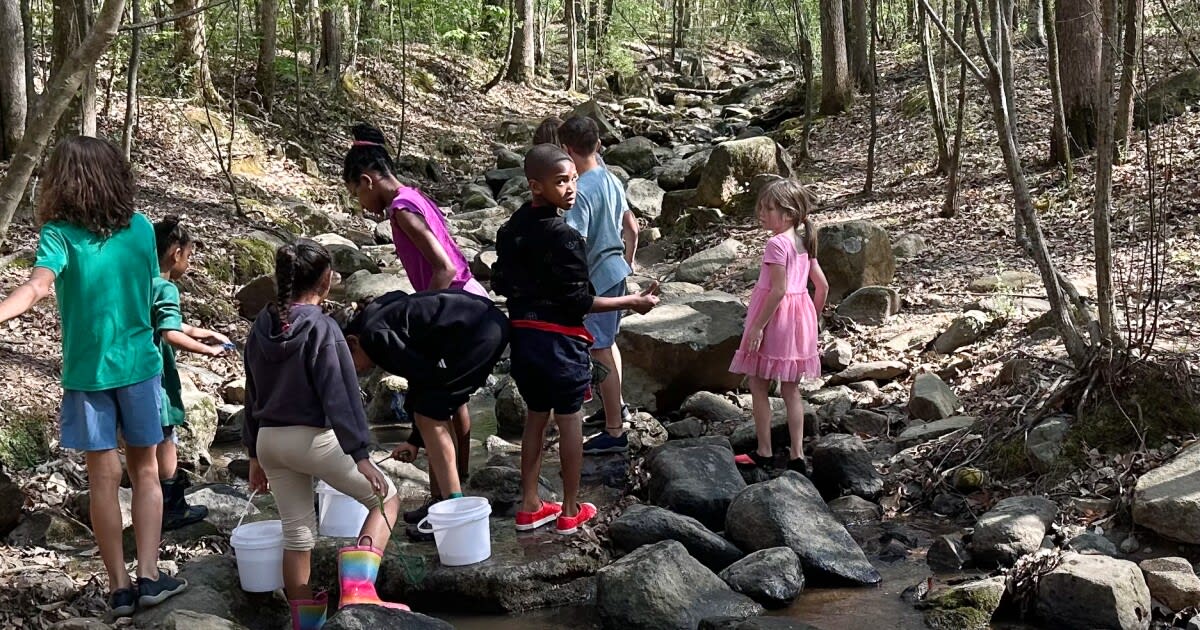
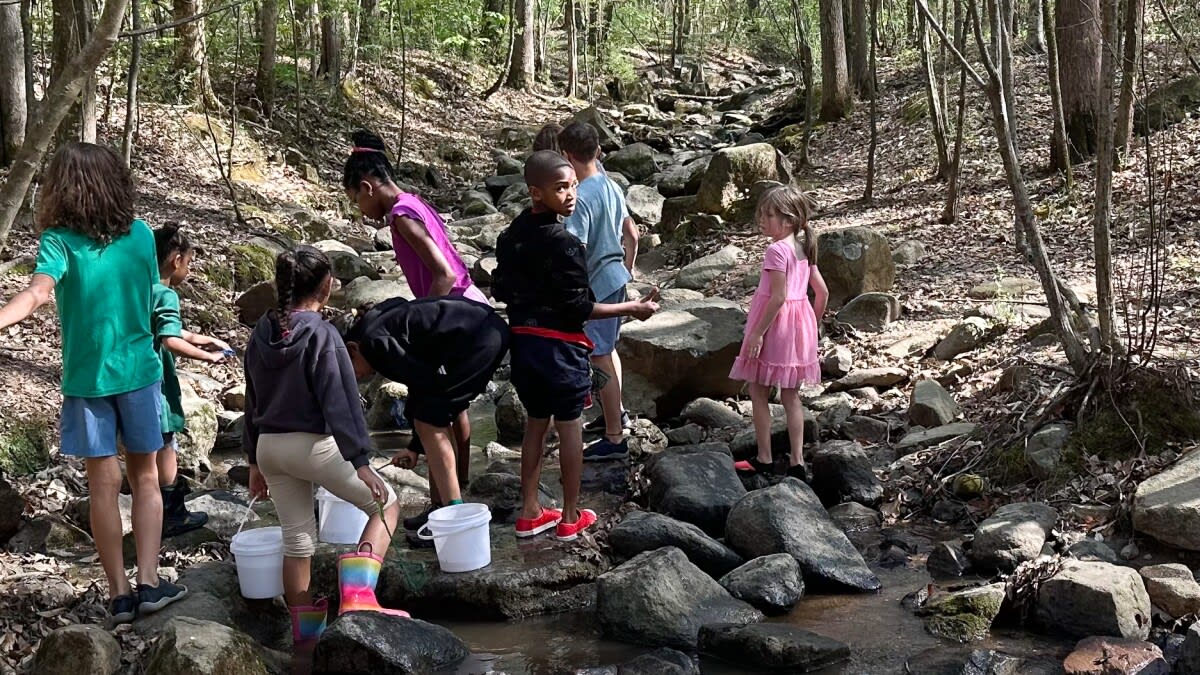
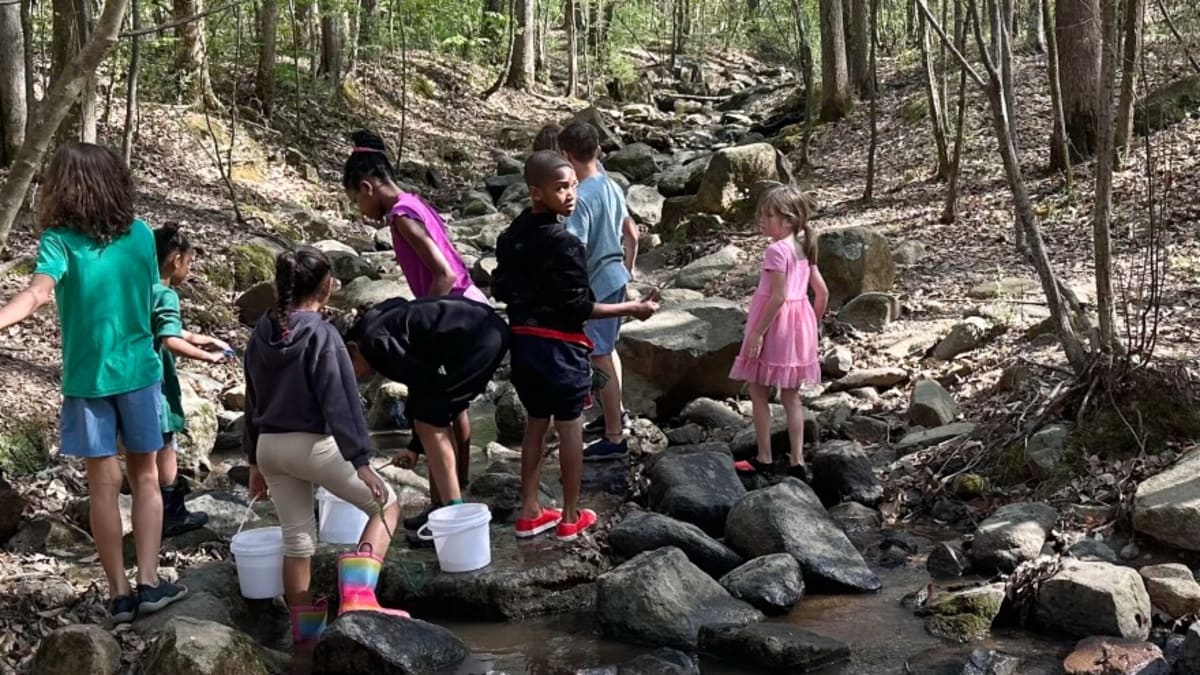
A gaggle of kids splashing through Porter Branch Creek with bright green nets might look like playtime, but they're actually exploring one of nature's best climate solutions hiding in their own backyard.
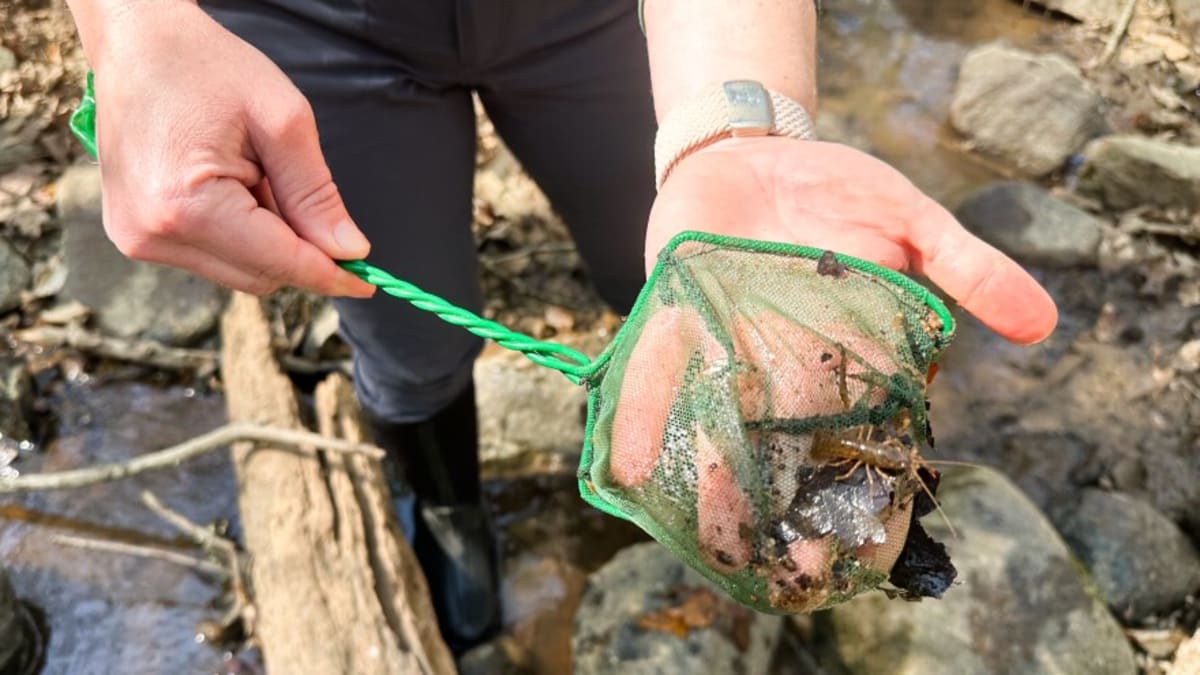
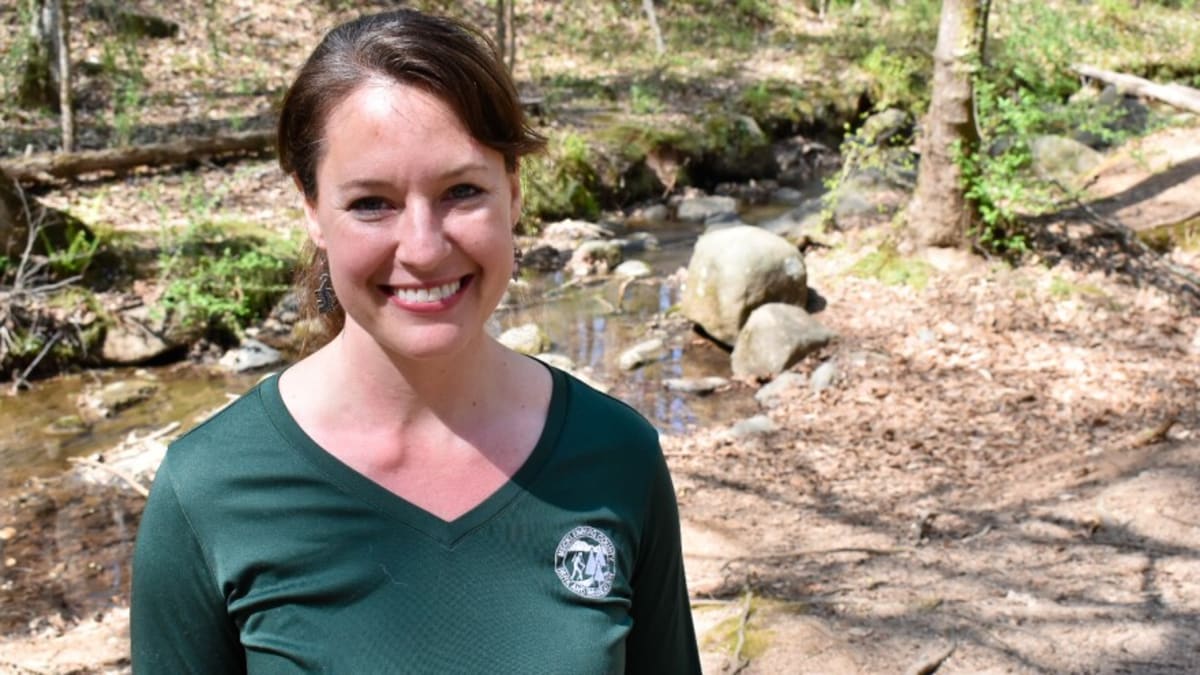
Environmental educator Catherine Robertson watches as young explorers scoop up salamanders, crayfish, and tiny bugs from the stream at McDowell Nature Preserve. "They're going to identify what they find and see what type of water quality we have based on these critters," Robertson explains during Charlotte's annual Creek Week.
The hunt for these small creatures reveals something big. Mecklenburg County's 3,000 miles of streams act as natural defenders against two growing climate threats: carbon pollution and urban flooding.
Here's how it works. Healthy creeks support forests, wetlands, and diverse ecosystems that pull greenhouse gases straight out of the atmosphere. The salamanders and sensitive insects kids find are nature's way of saying the water is clean enough to keep doing this important work.
Meanwhile, these same waterways protect neighborhoods from increasingly severe storms. Charlotte gets more rain annually than Seattle, and as the city expands with more roads and parking lots, water has fewer places to soak into the ground.
The Ripple Effect
The benefits flow far beyond Charlotte. Clean local streams feed downstream reservoirs, meaning what residents do in their neighborhoods affects water quality for everyone downriver.
That's why Storm Water Services' Marissa Barrett emphasizes keeping pollution out of storm drains. "It's really important that we bring awareness that only rain should go down these drains," she says.
The kids are learning this firsthand as they watch a juvenile salamander gobble up mayflies in their collection tub. These amphibians don't just indicate good water quality—they're also keeping Carolina summers more bearable by eating mosquitoes.
Charlotte's Climate Risk Assessment identified urban flooding as a serious threat, with Hurricane Helene damaging 170 structures near the Catawba River in 2024. The city projects a 10% to 20% increase in annual financial losses from flooding by 2050.
But Creek Week participants are discovering the solution doesn't require complicated technology. Protecting the streams already flowing through their backyards naturally reduces flood risk while capturing carbon pollution.
Robertson points to the diverse collection of creatures the kids have gathered. The presence of pollution-sensitive species like certain caddisflies and mayflies tells researchers exactly what's in the water without expensive testing equipment.
Residents can join guided tours with Catawba Riverkeeper or local parks to explore any of the county's thousands of stream miles, where every careful step helps preserve these hardworking climate allies.
More Images
Based on reporting by Google News - Climate Solution
This story was written by BrightWire based on verified news reports.
Spread the positivity!
Share this good news with someone who needs it