Cheetahs Return to Zambia After 30 Years
Six cheetahs just made history by returning to Zambia's Greater Luangwa Ecosystem for the first time since 1998. The successful relocation marks the beginning of an ambitious plan to restore these vulnerable big cats to their ancestral home.
After three decades of silence, the distinctive chirp of cheetahs echoes through Zambia's Greater Luangwa Ecosystem once again.
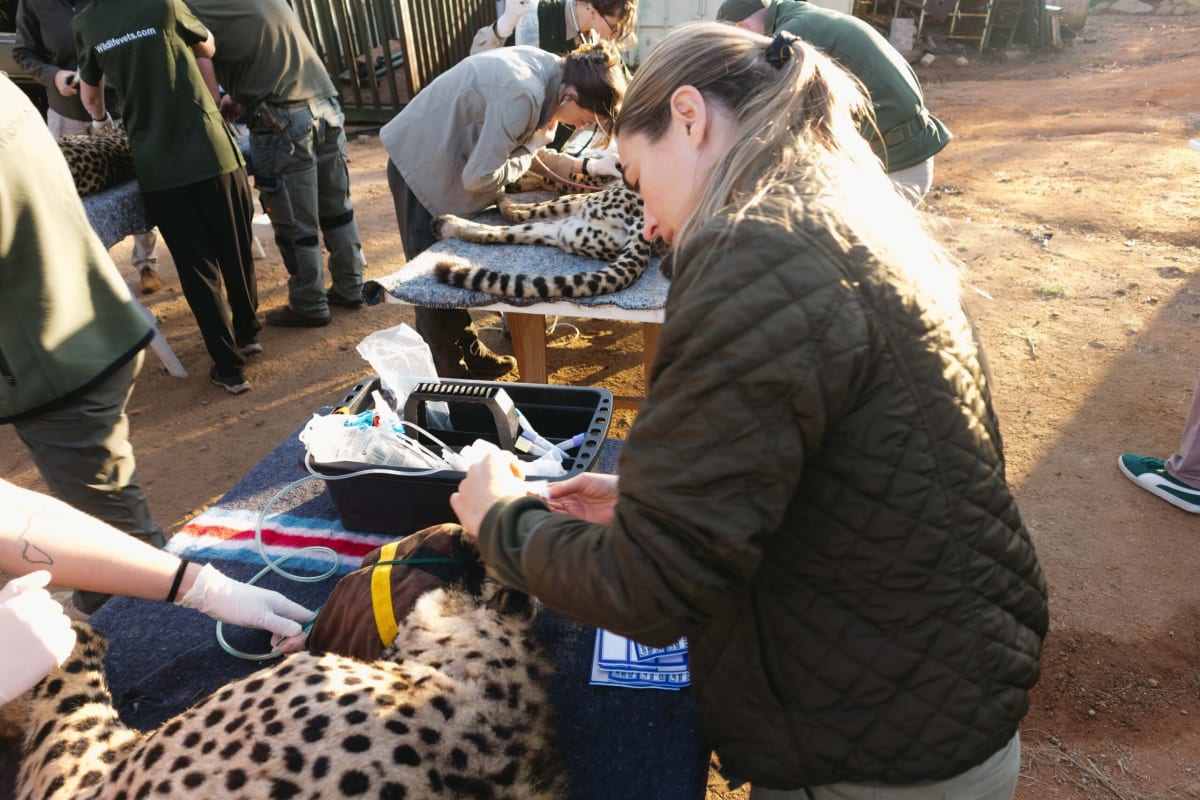
Six cheetahs arrived in North Luangwa National Park in July, carefully transported from South African reserves by Zambia's wildlife authorities and conservation groups. Three males and three females now roam the remote wilderness where their kind vanished in the late 1990s, victims of anthrax outbreaks and habitat loss.
This is just the beginning. Another six cheetahs will arrive in August, with a final group of six planned for 2027.
The timing couldn't be better. Conservation efforts over the past 30 years have transformed the Luangwa valley into a thriving habitat where lions and African wild dogs already flourish among healthy prey populations.
"Many of the threats that likely contributed to the disappearance of cheetahs from Luangwa in the 1990s have been significantly reduced," says Olivia Sievert, who manages the Cheetah Metapopulation Project for the Endangered Wildlife Trust.
The problem is distance. The nearest wild cheetah populations live too far away for natural recolonization, making human intervention the only realistic option.
The Ripple Effect
This project does more than restore one ecosystem. Southern Africa serves as a critical stronghold for cheetahs, which face declining numbers worldwide due to shrinking habitats and expanding farmland.
Establishing a new viable population strengthens the genetic diversity and long-term survival prospects for the entire species. Each successful breeding pair in Luangwa helps secure the future of these vulnerable cats across the continent.
The human element matters just as much as the ecological one. Local communities around North Luangwa primarily raise crops and poultry rather than livestock, reducing the typical conflict between farmers and predators.
Conservation teams have already spent months consulting with residents, building understanding and support for their new wild neighbors. Community buy-in will prove essential as rangers monitor the cats' movements and work to prevent any conflicts.
Success stories from Malawi show what's possible when cheetah reintroductions receive proper planning and long-term support. The team in Zambia is applying those hard-won lessons.
The cheetahs are home, and this time, they're here to stay.
More Images


Based on reporting by Mongabay
This story was written by BrightWire based on verified news reports.
Spread the positivity!
Share this good news with someone who needs it