Chemo Side Effect May Stop Cancer From Spreading
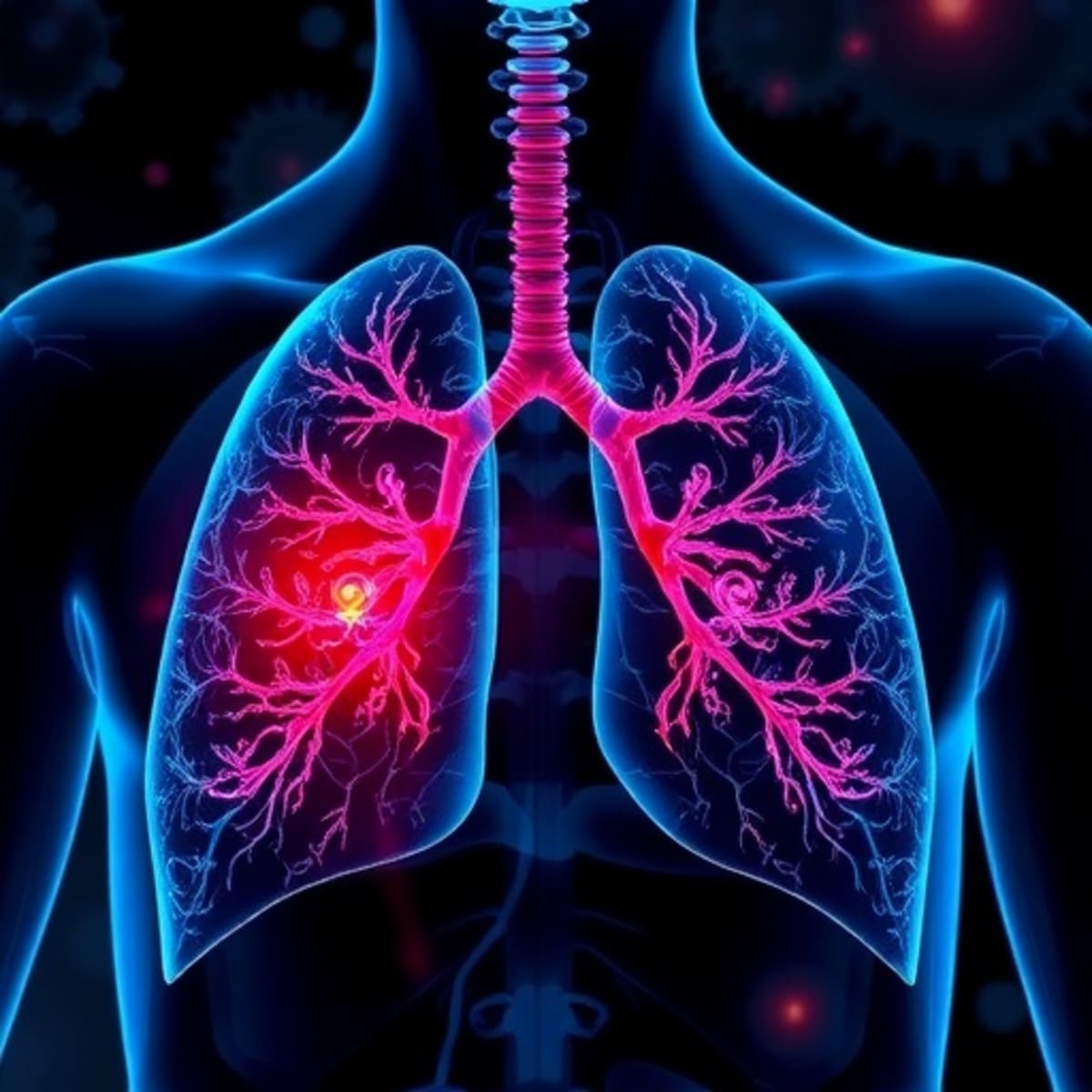
Scientists discovered that chemotherapy's damage to the gut actually triggers a powerful defense against cancer spreading. The side effect once seen as collateral damage now appears to rewire the immune system to fight metastasis.
A common side effect of chemotherapy may be secretly training your body to stop cancer from spreading.
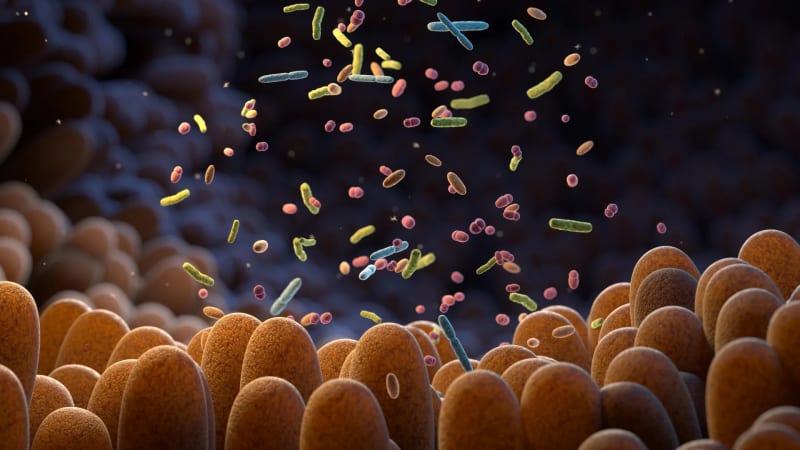
Researchers at the University of Lausanne discovered that when chemotherapy damages the intestinal lining, it sets off a surprising chain reaction. The damage changes which nutrients are available in the gut, forcing bacteria there to adapt.
These stressed bacteria respond by producing more of a molecule called indole-3-propionic acid, or IPA. The compound doesn't stay in the gut. Instead, it travels through the bloodstream to the bone marrow, where immune cells are made.
Once IPA reaches the bone marrow, it changes how the body produces immune cells. It lowers production of certain monocytes that normally help cancer cells hide from the immune system and spread to new organs. With fewer of these cells around, the body becomes less welcoming to metastatic tumors.
"We were surprised by how a side effect often seen as collateral damage of chemotherapy can trigger such a structured systemic response," says Ludivine Bersier, the study's first author. The finding turns conventional thinking on its head.
The team tested their discovery in lab models and found that this immune rewiring makes organs like the liver resistant to cancer trying to spread there. T cells become more active, and the entire environment becomes hostile to metastatic growth.
The Bright Side
The research team didn't stop at lab experiments. Working with colorectal cancer patients at Geneva University Hospitals, they found real-world evidence supporting their discovery.
Patients who had higher IPA levels in their blood after chemotherapy showed the same helpful immune changes. They had fewer of the problematic monocytes, and this profile linked to better survival rates.
The findings suggest chemotherapy may create a form of biological memory. Long after treatment ends, these gut bacteria-produced molecules might continue suppressing metastasis throughout the body.
"This work shows that the effects of chemotherapy extend far beyond the tumor itself," says corresponding author Tatiana Petrova. The discovery reveals an entire communication pathway between the gut, bone marrow, and places where cancer tries to spread.
The research opens doors to new treatment approaches. Scientists could potentially harness these microbiota-derived molecules as supportive therapies, helping limit cancer spread without necessarily using chemotherapy itself.
Understanding this gut-bone marrow-liver axis helps explain why chemotherapy sometimes produces lasting protective effects throughout the body. What looked like simple collateral damage turns out to be part of a sophisticated defense system we're only beginning to understand.
Based on reporting by Health Daily
This story was written by BrightWire based on verified news reports.
Spread the positivity!
Share this good news with someone who needs it