Chennai Art Festival Transforms City Into Cultural Hub
Over 66 artists turned Chennai into a 20-day celebration of contemporary art, spreading creativity across 10 venues and connecting thousands with the magic of modern artistic expression. The festival proved art can transform entire cities into spaces where everyone belongs.
For 20 days, Chennai became India's contemporary art capital, buzzing with creativity at galleries, studios, and cultural spaces across the city.
Contemporary Now wrapped its third edition this week after bringing together 66 artists from across India in a festival that felt less like an exclusive gallery event and more like a citywide celebration. Visitors didn't need art degrees or insider knowledge to participate—they just needed curiosity.
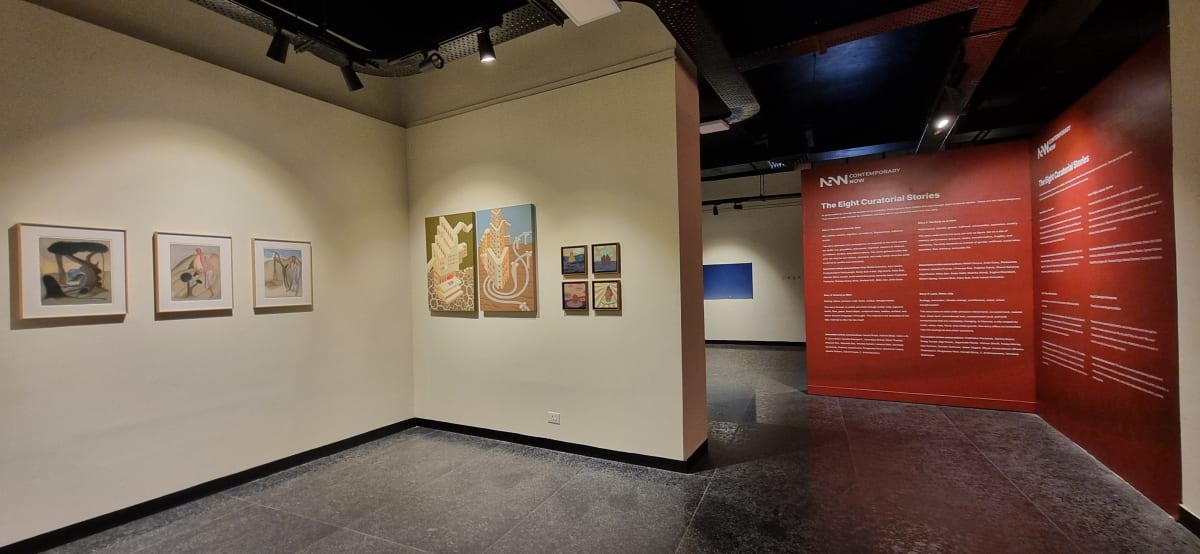
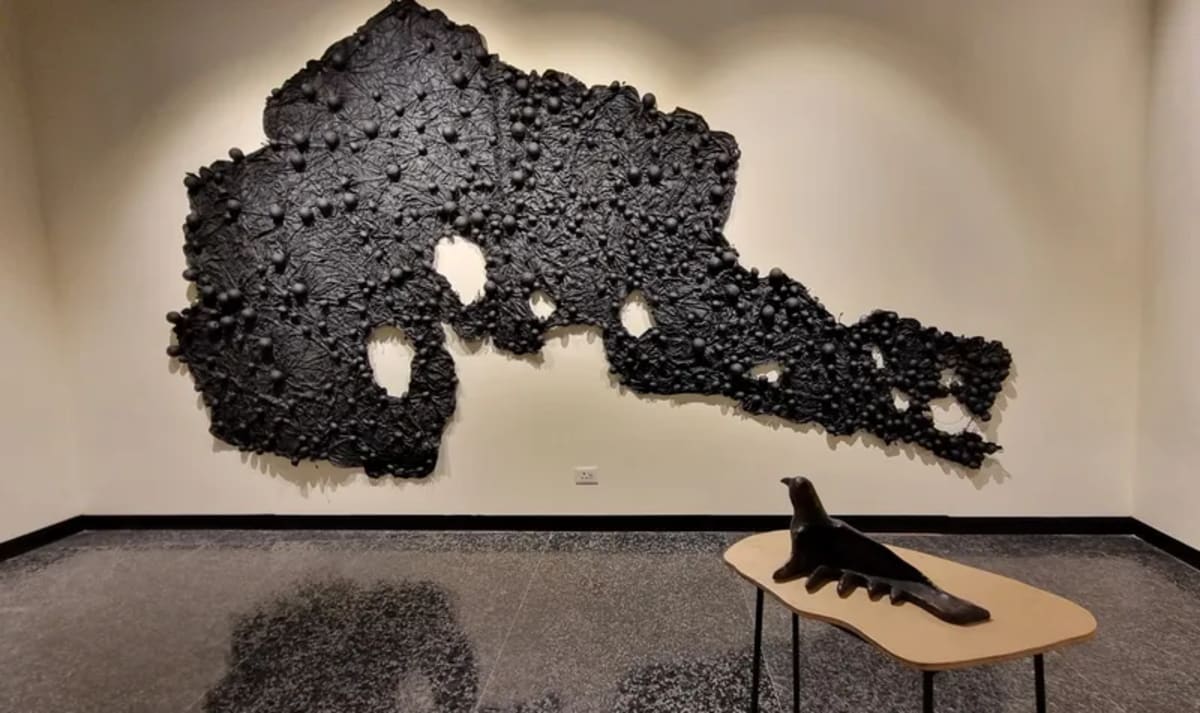
The main exhibition, Practices in Continuum: The Work and the World, showcased artists like Jagannath Panda and Raghava KK at Lalit Kala Akademi. But the real magic happened in how the festival spread across Chennai, with galleries in Kolkata, Ahmedabad, New Delhi, and Mumbai sharing works at 10 different venues.
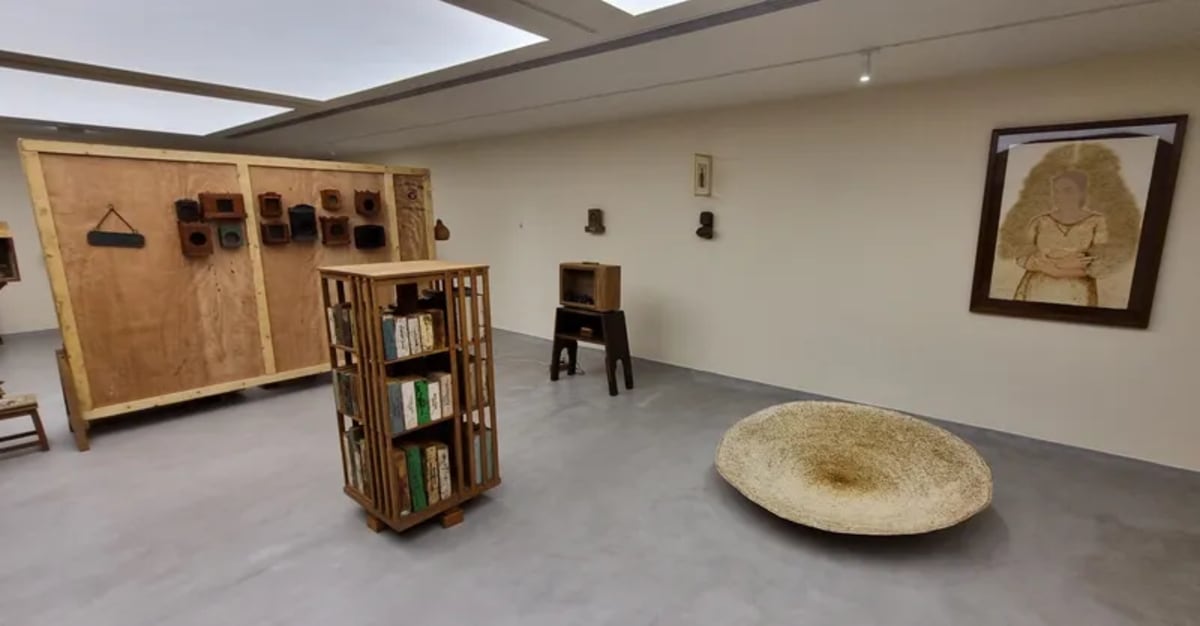
Artist K. Benitha Perciyal captured the festival's heart with her wood-based sculptures made from discarded materials. "I use whatever material is available, and even buy material that others throw away," she explained, transforming forgotten wood pieces, bark, and seeds into thought-provoking art.
Her philosophy extends beyond materials. "Everybody is my teacher. My dog is my teacher, my squirrel was a teacher, my carpenter was my teacher," Perciyal shared, reminding us that inspiration lives everywhere we look.
The Ripple Effect
The festival created something bigger than beautiful artwork on walls. It built temporary bridges between artists and neighbors, students and collectors, locals and international visitors who suddenly saw Chennai through creative eyes.
People who normally wouldn't step into galleries found themselves moving between venues, joining conversations, and discovering that contemporary art speaks to everyday experiences. The exhibitions explored identity, ecology, memory, and cultural change in ways that invited everyone into the conversation.
Festival co-director Priyanjoli Basu described it perfectly: "What has been particularly exciting about this edition is the way audiences have moved across the city, engaging with exhibitions, conversations, studios, archives, and institutions as part of a shared cultural experience."
Local businesses benefited from cultural tourism, while artists made new connections that will outlast the festival itself. Galleries that usually operate independently became part of a larger story about what art can do when it reaches beyond traditional spaces.
The festival proved that when art spreads across a city rather than hiding in single venues, it creates opportunities for people who might never otherwise cross paths to discover common ground in creativity.
More Images

Based on reporting by YourStory India
This story was written by BrightWire based on verified news reports.
Spread the positivity!
Share this good news with someone who needs it