Chennai Hospital Launches 24/7 Mobile Clinic for Rural Areas
A fully equipped medical bus is now bringing doctors, diagnostics, and specialist care directly to rural communities outside Chennai. The mobile clinic eliminates long travel times and offers everything from vaccinations to digital consultations with specialists.
Getting medical care shouldn't require hours of travel, yet millions in rural India face exactly that barrier. Now, a Chennai hospital has launched a solution that drives healthcare directly to those who need it most.
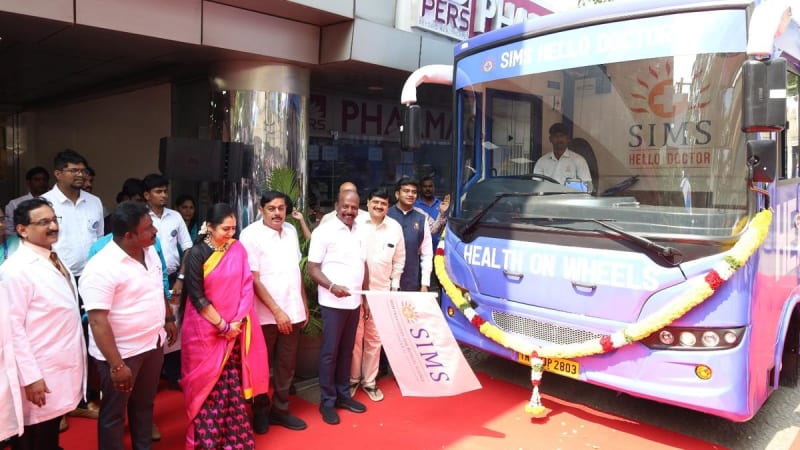
SIMS Hospital rolled out its "Health on Wheels" mobile medical unit this week, a bus equipped to provide round-the-clock healthcare services to underserved communities. Health Minister Ma. Subramanian flagged off the initiative, calling it a vital step toward closing the healthcare gap between urban and rural populations.
The bus functions as a complete digital clinic on wheels. Patients can register, consult with onboard doctors, receive basic diagnostics, get vaccinations, and access teleconsultations with specialists without stepping inside a traditional hospital.
Dedicated doctors and nurses staff the mobile unit full time. When cases require specialized care, the team connects patients via video with experts across multiple medical fields, expanding access to care that would normally require expensive trips to the city.
The hospital plans to park the bus regularly in villages, schools, colleges, and industrial areas around Chennai. This rotating schedule means communities can count on consistent access rather than hoping for occasional health camps.
Preventive care stands at the heart of the program. The team will conduct regular screenings aimed at catching non-communicable diseases early, when they're most treatable, and work to improve vaccination rates in areas where immunization coverage lags.
The Ripple Effect
Beyond individual patients, this mobile clinic model addresses systemic healthcare inequality. Rural families often delay seeking care because the time and cost of travel make routine checkups feel impossible, leading to late-stage diagnoses and worse outcomes.
By bringing the hospital to the people, the initiative removes financial barriers and lost workdays that keep families from getting preventive care. Early detection saves lives and reduces the burden on emergency services down the line.
The completely paperless system also demonstrates how technology can work for underserved populations, not just urban centers. Digital records mean patients build a medical history that follows them, improving continuity of care even when they see different providers.
Other hospitals and health systems are watching this model closely. If successful, "Health on Wheels" could inspire similar programs across India, multiplying its impact far beyond Chennai's rural outskirts.
Healthcare is finally meeting people where they are, one village at a time.
Based on reporting by The Hindu
This story was written by BrightWire based on verified news reports.
Spread the positivity!
Share this good news with someone who needs it