Chennai Metro Ordered to Protect Seats for Seniors, Disabled
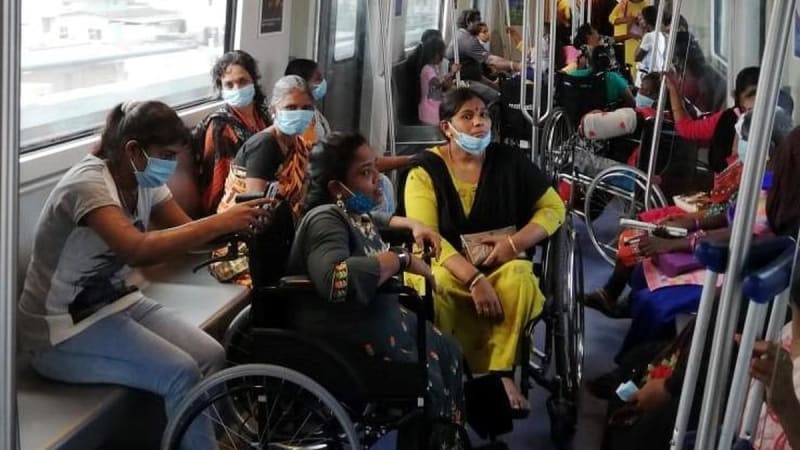
India's Madras High Court just ruled that Chennai's metro system must conduct surprise inspections to ensure elderly and disabled passengers actually get their priority seats. The decision comes after a lawyer proved that able-bodied passengers routinely refuse to give up marked seats.
Getting a seat on public transit shouldn't require a court order, but that's exactly what happened in Chennai after advocate V.B.R. Menon noticed a troubling pattern. Elderly passengers and people with disabilities were being ignored when they needed the seats marked just for them.
The Madras High Court listened and acted. On January 19, 2026, Chief Justice Manindra Mohan Shrivastava and Justice G. Arul Murugan directed Chennai Metro Rail Limited to start surprise inspections on trains and take action when priority seats aren't being honored.
Menon explained the problem clearly to the court. Priority stickers on seats weren't enough because able-bodied men would sit there and simply refuse to move. The lawyer argued that seniors and disabled passengers need reserved seats, similar to how entire coaches are reserved exclusively for women on Chennai trains.
The metro system defended its current approach, with State Government Pleader A. Edwin Prabakar explaining that passengers can use intercoms in each coach to report problems. He noted that CMRL had already started making oral announcements reminding riders about priority seating rules.
But the court recognized that announcements alone weren't solving the issue. Real enforcement was needed.
The Ripple Effect
This ruling creates accountability where polite reminders failed. Surprise inspections mean passengers who ignore priority seating rules will face consequences, not just disapproving looks.
The decision also empowers elderly and disabled riders to file specific complaints, knowing that CMRL must now take appropriate action. What once felt like an unenforceable courtesy has become a protected right.
Beyond enforcement, the court left the door open for bigger changes. The judges said CMRL should seriously consider Menon's suggestion to create truly reserved seats that nobody else can occupy, period.
Chennai's 54 kilometers of metro lines serve hundreds of thousands of riders daily. When public transit works for everyone, including the most vulnerable passengers, entire communities become more connected and independent.
This ruling sends a message that accessibility isn't optional or a nice-to-have feature. It's a requirement that courts will enforce, ensuring that seniors and people with disabilities can travel with dignity.
Based on reporting by The Hindu
This story was written by BrightWire based on verified news reports.
Spread the positivity!
Share this good news with someone who needs it